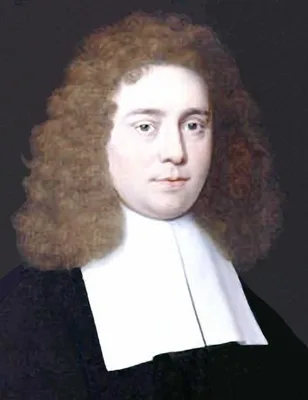
1597 LANGHAM, William
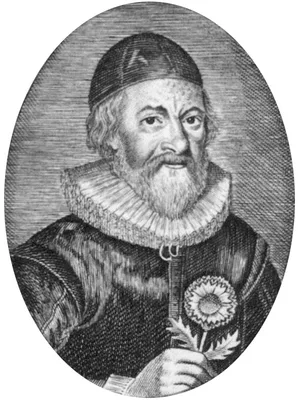
The garden of health conteyning the sundry rare and hidden vertues and properties of all kindes of simples and plants, together with the maner how they are to be vsed and applyed in medicine for the health of mans body, against diuers diseases and infirmities most common amongst men. Gathered by the long experience and industrie of William Langham, practitioner in phisicke.
An alphabetically arranged handbook of herbal remedies. The title page was misprinted 1579, but the work was actually printed in 1597. A list of the plants discussed is available from Early English Books Online at thi…
GMN 11381 · https://historyofmedicine.com/id/13580
1615 HERNÁNDEZ DE TOLEDO, Francisco (1517 – 1587); XIMÉNEZ, Francisco (1560 – 1620)
Quatro libros. De la naturaleza, y virtudes de las plantas, y animales que estan receuidos en el vso de medicina en la Nueua España, y la methodo, y correccion, y preparacion, que para administrallas se requiere con lo que el doctor Francisco Hernandez escriuio en lengua latina. : Muy vtil para todo genero de gente q[ue] viue en esta[n]cias y pueblos, de no ay medicos, ni botica.Traduzido, y aumentados muchos simples, y compuestos y otros muchos secretos curatiuos, por Fr. Francisco Ximenes....
Physician to Philip II of Spain, Hernández travelled to Mexico by order of the king, and studied the natural history of the region from 1570-77. His Works, which filled six folio volumes of text and 10 volumes of pain…
GMN 1820.1 · https://historyofmedicine.com/id/2097
1628 HERNÁNDEZ DE TOLEDO, Francisco (1517 – 1587); RECCHI, Nardo Antonio de ( – 1595)
Rerum medicarum Novae Hispaniae thesaurus, seu, Plantarum animalium mineralium Mexicanorum historia.
This summary of Hemández’s very extensive manuscript account of the natural history of Mexico (see No. 1820.1) was edited by N.A. de Recchi, and published at the expense of Prince Federico Cesi (1585-1630), with notes…
GMN 1821.1 · https://historyofmedicine.com/id/2108
1629 PARKINSON, John (1567 – 1650)
Paradisi in sole paradisus terrestris. Or a garden of all sorts of pleasant flowers which our English ayre will permitt to be noursed vp: with a kitchen garden of all manner of herbes, rootes, & fruites, for meate or sause vsed with vs, and an orchard of all sorte of fruitbearing trees and shrubbes fit for our land together with the right orderinge planting & preseruing of them and their vses & vertues.
The title is a pun on the author’s name (park-in-sun). Digital facsimile from Biodiversity Heritage Library at this link.
GMN 1822 · https://historyofmedicine.com/id/2111
1633 GERARD, John (Gerarde) (1545 – 1612); JOHNSON, Thomas ( – 1644)
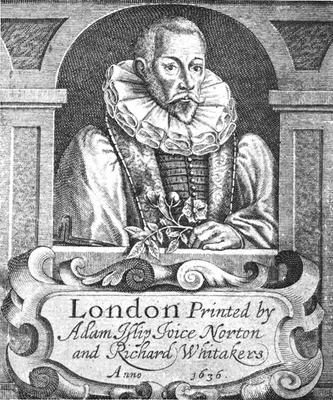
The herball or generall historie of plantes. Gathered by John Gerarde of London master in chirurgerie. Very much enlarged and amended by Thomas Johnson citizen and apothecarye of London.
A very substantial expansion and update of Gerarde's herbal published in 1597. Besides correcting mistakes, Johnson added over 800 new species and 700 new figures, raising the number of plant descriptions in the work …
GMN 12002 · https://historyofmedicine.com/id/14210
1640 PARKINSON, John (1567 – 1650)
Theatrum botanicum: The theater of plants: Or, An herball of large extent: containing therein a more ample and exact history and declaration of the physicall herbs and plants ... distributed into sundry classes or tribes, for the more easie knowledge of the many herbes of one nature and property ... / collected by the many yeares travaile, industry and experience in this subject.
Parkinson, the last of the old English herbalists, was Apothecary to James I. His massive herbal of 1,755 pages described nearly 3,800 plants, nearly double the number described in the first edition of Gerard. Parkins…
GMN 1823 · https://historyofmedicine.com/id/2113
1652 CULPEPER, Nicholas (1616 – 1654)
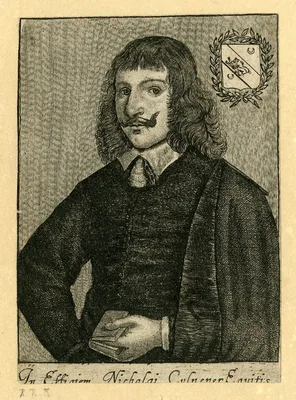
The English physitian: Or, an astrologo-physical discourse of the vulgar herbs of this nation. Being a compleat method of physick, whereby a man may preserve his body in health; or cure himself, being sick, for three pence charge, with such things only as grow in England, as they being most fit for English bodies. Herein is also shewed, 1. The way of making plaisters, oyntments, oyls, pultisses, syrups, julips, or waters, of all sorts of physical herbs, that you may have them readie for your use at all times of the yeer. 2. What planet governeth every herb or tree (used in physick) that groweth in England. 3. The time of gathering all herbs, both vulgarly, and astrologically. 4. The way of drying and keeping the herbs all the yeer. 5. The way of keeping their juyces ready for use at all times. 6. The way of making and keeping all kind of useful compounds made of herbs. 7. The way of mixing medicines, according to cause and mixture of the disease, and part of the body afflicted.
"Culpeper attempted to make medical treatments more accessible to laypersons by educating them about maintaining their health. Ultimately his ambition was to reform the system of medicine by questioning traditional me…
GMN 8588 · https://historyofmedicine.com/id/10765
1656 BOYM, Michal Piotr (1612 – 1659)
Flora sinensis, fructus floresque humillime porrigens serenissimo et potentissimo Leopoldo Ignatio, Hungariae regi florentissimo, &c. Fructus saecul promittenti Augustissimos.
The first description published in Europe of an ecosystem of the Far East, including animals as well as plants, with particular attention to Chinese fruit bearing plants, and medicinal properties of Chinese plants. Di…
GMN 8591 · https://historyofmedicine.com/id/10768
1676 HARVEY, Gideon (1640 – 1700)
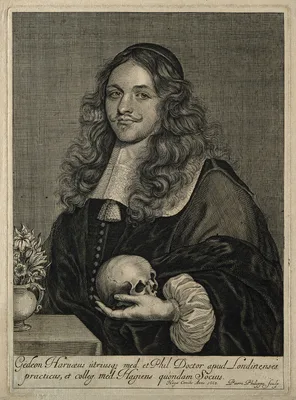
The family physician, and the house apothecary: Containing I. Medicines against all such diseases people usually advise with apothecaries to be cured of, II. Instructions, whereby to prepare at your own houses all kinds of necessary medicines that are prepared by apothecaries, or prescribed by physicians, III. The exact prices of all drugs, herbs, seeds, simple and compound medicines, as they are sold at the druggists, or may be sold by the apothecaries, IV. That it's plainly made to appear, that in preparing medicines thus at your own houses, that it's not onely a far safer way, but you shall also save nineteen shillings in twenty, comparing it with the extravagant rates of many apothecaries.
The text of the second edition (1678) is available from Early English Books Online at this link.
GMN 9511 · https://historyofmedicine.com/id/11696
1677 GRIM, Herman Niklas (1641 – 1711)
Laboratorium chymicum, gehouden op het voortreffelycke Eylandt Ceylon, soo in't Animalische, Vegetabilische, als Mineralische Ryck.
The first book on the animal, vegetable and mineral medicines indigenous to Sri Lanka. Grim was a physician in the service of the VOC (the East India Company). Digital facsimile from Google Books at this link.
GMN 10648 · https://historyofmedicine.com/id/12841
1678 –1703 COMMELIN, Jan [COMMELIJN] (1629 – 1692); VAN RHEEDE TOT DRAKENSTEIN, Hendrik Adriaan (1636 – 1691); ALMELOVEEN, Theodorus Janssonius van (1657 – 1712); CASEARIUS, Johannes (1642 – 1677); VAN DYCK, Jan; MUNNICKS, Johannes (Munnickius) (1652 – 1711); POOT, Abraham van (1617 – ); SOMEREN, Joannes van; SEYEN, Arnold (Syen) (1640 – 1678); BOOM, Henrik & Dirk
Hortus Indicus Malabaricus: Continens regni Malabarici apud Indos cereberrimi onmis generis plantas rariores, Latinas, Malabaricis, Arabicis, Brachmanum charactareibus hominibusque expressas ....12 vols.
The earliest comprehensive printed work on the flora of Asia and the tropics in 12 folio volumes written and published under the supervision of van Rheede tot Drakenstein, a colonial administrator of the Dutch East In…
GMN 9543 · https://historyofmedicine.com/id/11729
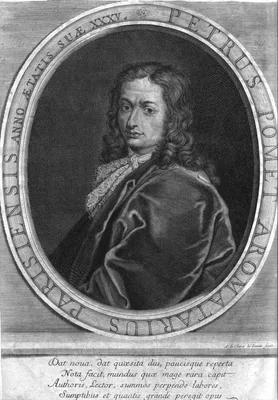
1694 POMET, Pierre (1658 – 1699)
Histoire générale des drogues….
Pomet became chief druggist to Louis XIV. His work was considered the most complete materia medica of the time. It also covered non-botanical drugs. Digital facsimile from bibdigital.rjb.csic.es at this link. English …
GMN 1827.1 · https://historyofmedicine.com/id/2148
1694 ROSA, João Ferreira da (Ferreyra da Rosa)
Trattado unico da constituiçam pestilencial de Pernambuco, offerecido a ElRey N.S. por ser servido ordenar por seu Governador aos Medicos da America, que assistem aonde ha este contagio, que o compusessem para se conferirem pelos Coripheos da Medicina aos dictames com que he trattada esta pestilencial febre.
The first scientific description of yellow fever in Brazil by the first European physician to treat the disease in Brazil, and perhaps in all of Latin America. It includes the description of the first autopsy of a yel…
GMN 8930 · https://historyofmedicine.com/id/11108
1708 CULPEPER, Nicholas (1616 – 1654)
The English physician.
This reprint of Culpeper’s popular work on herbal remedies was the first medical book (94pp.) printed in North America.
GMN 1828.1 · https://historyofmedicine.com/id/2155
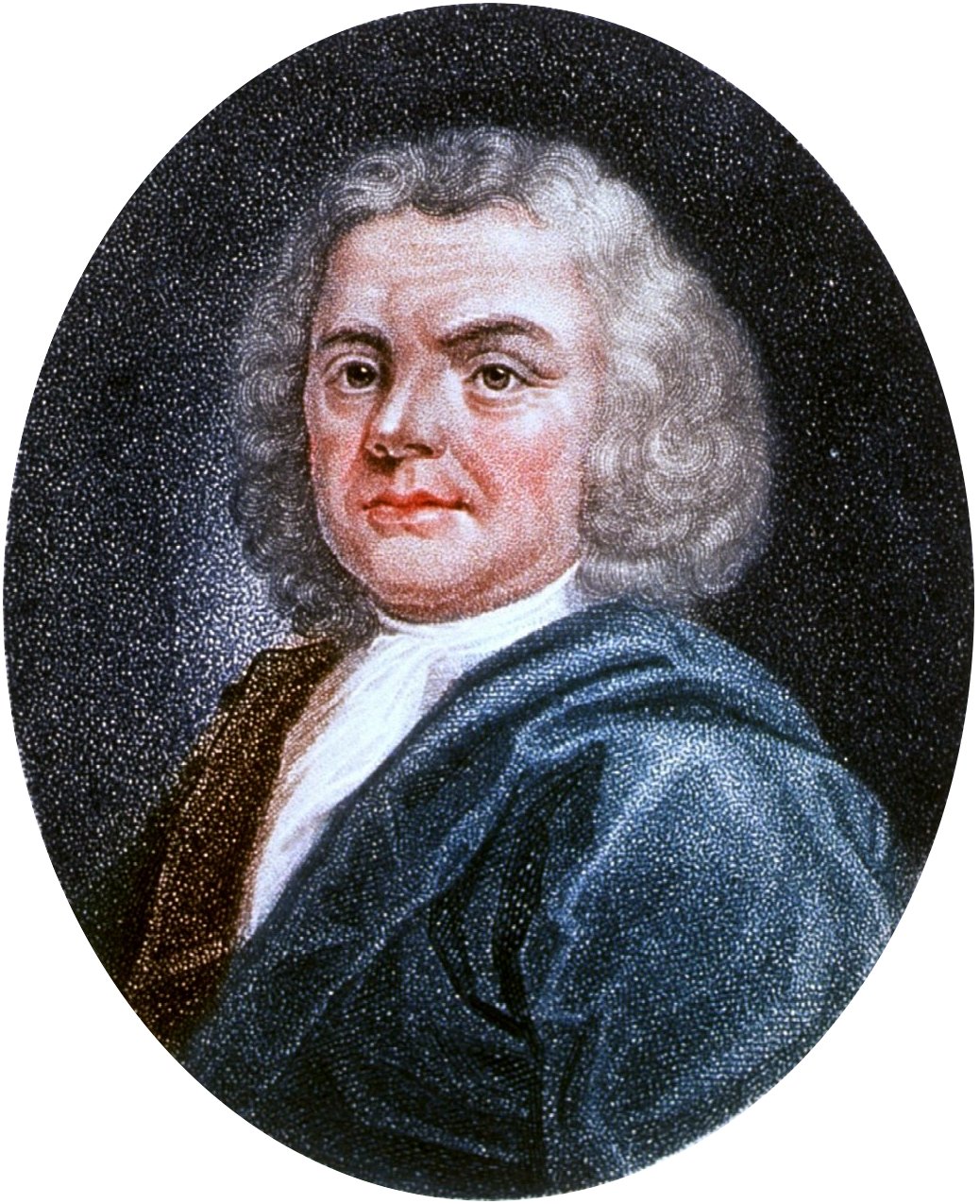
1710 BOERHAAVE, Herman (1668 – 1738)
Index plantarum, quae in Horto Academico Lugduno Batavo reperiuntur.
Upon his appointment as professor of medicine and botany at Leiden University in 1709, Boerhaave became head of the botanical garden, a laboratory for materia medica. He published his first catalogue of plants in the …
GMN 11628 · https://historyofmedicine.com/id/13828
1720 CULPEPER, Nicholas (1616 – 1654)
Pharmacopoeia Londinensis; or the London dispensatory…
The first herbal printed in North America, and the first full-length medical book published in North America. From the 1653 London edition.
GMN 1828.2 · https://historyofmedicine.com/id/2160
1734 TENNENT, John (1700 – 1760)
Every man his own doctor: or, The poor planter's physician. Prescribing plain and easy means for persons to cure themselves of all, or most of the distempers, incident to this climate, and with very little charge, the medicines being chiefly of the growth and production of this country.
The first medical hand-book for lay persons written and published in America. It is probable that this book was first published in 1734, though the earliest recorded copy or copies appear to be the "second edition" wi…
GMN 9675 · https://historyofmedicine.com/id/11862
1740 SÉGUIER, Jean-François (1703 – 1784)
Bibliotheca botanica sive catalogus auctorum et librorum omnium qui de re botanica, de medicamentis ex vegetabilibus paratis, de re rustica, & de horticultura tractant. Accessit bibliotheca botanica Jo. Ant. Bumaldi seu potius O. Montalbani.
Organized in three parts: floras, medical botany, and horticultural and agricultural works. Séguier includes books, pamphlets, and references in the periodical literature. "The entries for the publications contain usu…
GMN 8856 · https://historyofmedicine.com/id/11034
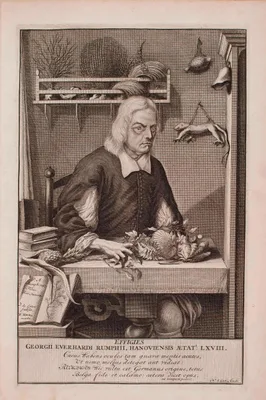
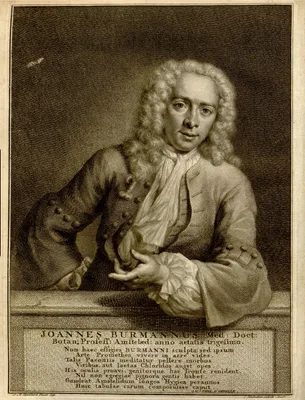
1741 –1750 RUMPHIUS, Georg Eberhard (1627 – 1702); BURMAN, Johannes (1707 – 1780)
Het Amboinsche Kruidboek . . . Herbarium Amboinense . . . nunc primum in lucem edidit & in Latinum semonem vertit Joannes Burmannus. 6 vols.
Het Amboinsche kruidboek or Herbarium Amboinense, a catalogue of the plants of Ambon in the Maluku Islands of Indonesia, by Georg Eberhard Rumphius, a German-born soldier and botanist employed by the Dutch East India …
GMN 6837 · https://historyofmedicine.com/id/9001
1746 SHORT, Thomas (1690 – 1772)
Medicina Britannica; or, a treatise on such physical plants as are generally to be found in the fields or gardens of Great-Britain: Containing a particular account of their nature, virtues, and uses. Together with the observations of the most learned physicians, as well ancient as modern, communicated to the late ingenious Mr. Ray, and the learned Dr. Sim. Pauli. Adapted more especially to the occasions of those, whose condition or situation of life deprives them, in a great measure, of the helps of the learned. To which are added, three indexes: The first containing the England and Latin names of the plants treated of: The second of the diseases, and their remedies: The third to the notes.
Short focused his book on the medical uses of plants readily available in England. Many of the plants recommended in the traditional herbal literature were difficult to find in England. Digital facsimile from the Biod…
GMN 8869 · https://historyofmedicine.com/id/11047
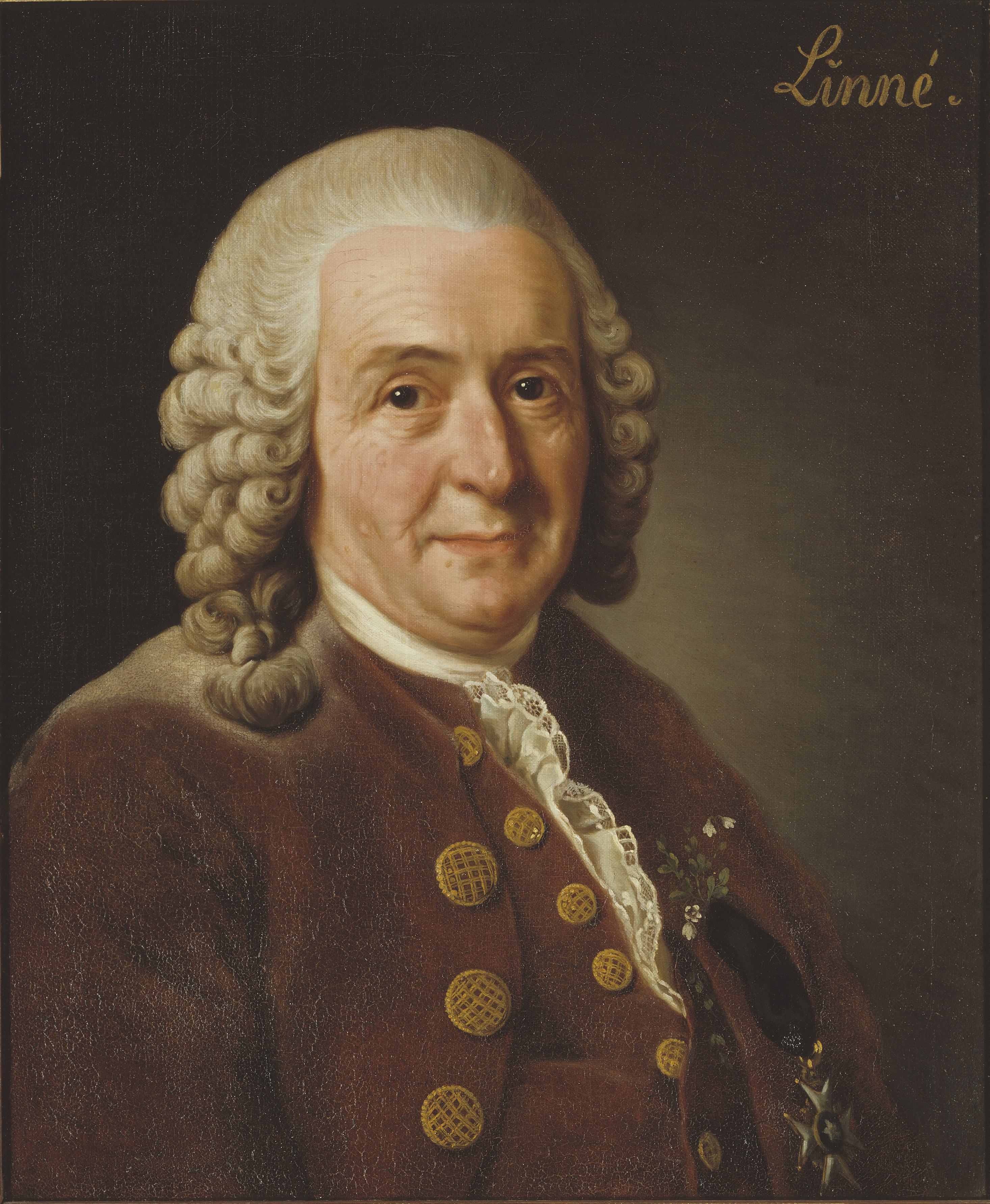
1749 LINNAEUS, Carl (Linné) (1707 – 1778)
Materia medica, liber I: De plantis.
Linnaeus’s physician’s reference on pharmacology. Linnaeus classified medicinal plants according to his botanical system and described the therapeutic value of the drugs derived from each plant. He was instrumental in…
GMN 7597 · https://historyofmedicine.com/id/9769
1764 GRAINGER, James (1721 – 1766)
An essay on the more common West-India diseases and the remedies which that country itself produces: To which are added some hints on the management, &c. of negroes.
Though the title suggests tropical medicine in general, this work mainly concerns the selection and medical care of slaves. Digital facsimile of the second edition (Edinburgh, 1802) expanded "with practical notes and …
GMN 9509 · https://historyofmedicine.com/id/11694
1770 POUPPÉ DESPORTES, Jean-Baptiste-René (1704 – 1748)
Histoire des maladies de S. Domingue. 3 vols. Title of vol. 3: Traité ou abregé des plantes usuelles de S. Dominique.
Posthmously published; vol. 1 contains a life of the author. Digital facsimile from Google Books at this link.
GMN 9913 · https://historyofmedicine.com/id/12101
1770 ALSTON, Charles (1683 – 1760); HOPE, John (1725 – 1786)
Lectures on the materia medica: Containing the natural history of drugs, their virtues and doses: Also directions for the study of the materia medica; and an appendix on the method of prescribing. Published from the manuscript of the late Dr. Charles Alston...by John Hope. 2 vols.
Digital facsimile from the Internet Archive at this link.
GMN 12733 · https://historyofmedicine.com/id/14979
1781 BUC'HOZ, Pierre-Joseph (1731 – 1807)
Herbier ou collection des plantes médicinales de la Chine: D'après un manuscrit peint et unique qui se trouve dans la Bibliothèque de l'Empereur de la Chine, pour servir suitte [sic] à la collection des fleurs qui se cultivent dans les Jardins de la Chine et de l'Europe.
Digital facsimile from Google Books at this link.
GMN 13004 · https://historyofmedicine.com/id/15254
1787 SCHOEPFF, Johann David (1752 – 1800)
Materia medica Americana, potissimum regni vegetabilis.
Schoepff came to America in 1777 as a surgeon with the Hessian troops employed by the British Forces. He returned to Germany in 1784 and compiled the first full American materia medica, describing about 400 plants, in…
GMN 1837 · https://historyofmedicine.com/id/2194
1789 CULLEN, William (1710 – 1790)
A treatise of the materia medica. 2 vols.
An expansion of Cullen’s “Lectures on materia medica”, 1773.
GMN 1838 · https://historyofmedicine.com/id/2199
1790 –1794 WOODVILLE, William (1752 – 1805)
Medical botany, containing systematic and general descriptions, with plates, of all the medicinal plants, indigenous and exotic, comprehended in the catalogues of the materia medica, as published by the Royal Colleges of Physicians of London and Edinburgh: Accompanied with a circumstantial detail of their medicinal effects, and of the diseases in which they have been most successfully employed. 3 vols. & Supplement.
Issued in numbers from 1790-1795, this is the first edition in book form. This work, which underwent several later editions, remained the standard work on the plants of the British pharmacopoeia until the 1880s. Digit…
GMN 1838.1 · https://historyofmedicine.com/id/2205
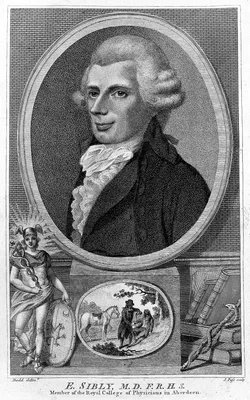
1790 CULPEPER, Nicholas (1616 – 1654); SIBLY, Ebenezer (1751 – 1799)
Culpeper's English physician; and complete herbal. To which are now first added upwards of one hundred additional herbs, with a display of their medicinal and occult properties, physically applied to the cure of all disorders incident to mankind. To which are annexed rules for compounding medicine according to the true system of nature, forming a complete family dispensatory and natural system of physic. Beautified and enriched with engravings of upwards of four hundred and fifty different plants, and a set of anatomical figures....
Digital facsimile from Biodiversity Heritage Library at this link.
GMN 13699 · https://historyofmedicine.com/id/15981
1794 BARHAM, Henry
Hortus Americanus, containing an account of the trees, shrubs, and other vegetable productions of South-America and the West-India islands, and particularly of the island of Jamaica; interspersed with many curious and useful observations, respecting their uses in medicine, diet, and mechanics.
Digital facsimile from Biodiversity Heritage Library at this link.
GMN 9989 · https://historyofmedicine.com/id/12178
1798 BARTON, Benjamin Smith (1766 – 1815)
Collections for an essay towards a materia medica of the United States. Read before the Philadelphia Medical Society, on the twenty-first of February, 1798.
Digital facsimile of the 1798 edition from the U.S. National Library of Medicine at this link. Digital facsimile of the much-expanded third edition (1810) from Google Books at this link.
GMN 9309 · https://historyofmedicine.com/id/11491
1801 STEARNS, Samuel (1741 – 1810)
The American herbal, or materia medica.
The first herbal both produced and printed in the United States, as opposed to those which were reprints of European works. Includes information on native American remedies. Digital facsimile from the Medical Heritage…
GMN 1838.2 · https://historyofmedicine.com/id/2218
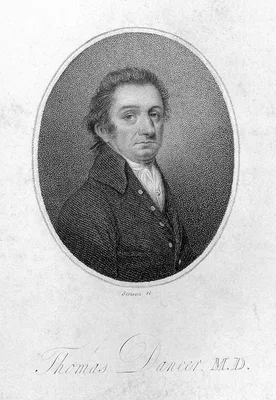
1801 DANCER, Thomas (1750 – 1811)
The medical assistant, or Jamaica practice of physic: Designed chiefly for the use of families and plantations.
Digital facsimile from the U.S. National Library of Medicine at this link.
GMN 9897 · https://historyofmedicine.com/id/12085
1809 GOMES, Bernardino António (1769 – 1823)
Memoria sobre a canella do Rio de Janeiro offerecida ao Principe do Brazil nosso senhor: pelo Senado da Camara da mesma cidade no anno de 1798.
The earliest monograph on medicine published in Brazil. Digital facsimile from the U.S. National Library of Medicine at this link.
GMN 9064 · https://historyofmedicine.com/id/11243
1811 TYLER, Mary Hunt Palmer (1775 – 1866)
The maternal physician; a treatise on the nurture and management of infants, from the birth until two years old. Being the result of sixteen years' experience in the nursery. Illustrated by extracts from the most approved medical authors
The first American book on pediatrics, in the tradition of "advice books" or childcare manuals for mothers. This was the first American printed book on a medical subject written by a woman. Pages 248-75 publish a list…
GMN 7801 · https://historyofmedicine.com/id/9973
1813 AINSLIE, Whitelaw (1767 – 1837)
Materia medica of Hindoostan, and artisan’s and agriculturist’s nomenclature.
The first book in English on the materia medica of India, and a pioneering work in the field of Indian medical history. Ainslie joined the British East India Company as an assistant surgeon in 1788 and spent the next …
GMN 6975 · https://historyofmedicine.com/id/9141
1814 HENRY, Samuel
Botanic medicine: A new and complete American medical family herbal: Wherein is displayed the true properties and medical virtues of the plants, indigenous to the United States of America, together with Lewis' secret remedy newly discovered, which has been found infallible in the cure of that dreadful disease hydrophobia, produced by the bite of a mad dog.
Henry wrote that he had been a captive of the Indians during the Creek War and that he incorporated what he learned during his captivity. His work was one of the first illlustrated herbals published in the United Stat…
GMN 9641 · https://historyofmedicine.com/id/11828
1817 –1819 BARTON, William Paul Crillon (1786 – 1856)
Vegetable materia medica of the United States. 2 vols.
Barton served as a naval surgeon and, in 1815, became Professor of Botany at Philadelphia. Along with Bigelow (No. 1842) Barton’s work is one of the first two botanical works with colored plates issued in the United S…
GMN 1841 · https://historyofmedicine.com/id/2277
1817 –1820 BIGELOW, Jacob (1786 – 1879)
American medical botany, being a collection of the native medicinal plants of the United States, containing their botanical history and chemical analysis, and properties and uses in medicine, diet and the arts. 3 vols.
Bigelow was professor of materia medica and botany at Harvard. This work included native American remedies. It was the first book printed in the United States to include color plates printed in color. See R.J. Wolfe, …
GMN 1842 · https://historyofmedicine.com/id/2280
1821 –1829 DESCOURTILZ, Michel Étienne (1777 – 1835); DESCOURTILZ, Jean-Théodore (1796 – 1855)
Flore pittoresque et médicale des Antilles, ou, Histoire naturelle des plantes usuelles des colonies françaises, anglaises, espagnoles et portugaises; par M. E. Descourtilz. Peinte par J. Th. Descourtilz. 8 vols.
Medical botany of the Caribbean, finely illustrated with colored plates after paintings by the author's son. Digital facsimile from the Biodiversity Heritage Library at this link.
GMN 8547 · https://historyofmedicine.com/id/10724
1821 ROQUES, Joseph R. (1772 – 1850)
Phytographie médicale, ornée de figures coloriées de grandeur naturelle, ou l’on expose l’histoire des poisons tirés du règne végétal, et les moyens de remédier a leurs effets délétères, avec des observations sur les propriétés et les usages des plantes héroïques. 2 vols.
Perhaps the most beautiful book on botanic poisons and their antidotes, including narcotics. Plates 1-15 cover mushrooms, and plate 175 depicts Cannabis sativa. With 180 plates printed in color à la poupée and finishe…
GMN 10647 · https://historyofmedicine.com/id/12840
1822 THOMSON, Samuel (1769 – 1843)
New guide to health; or botanic family physician, containing a complete system of practice, upon a plan entirely new; with a description of the vegetables made use of, and directions for preparing and adminstering them to cure disease. To which is prefixed a narrative of the life and medical discoveries of the author.
The "Bible" of Thomsonism or "Thomsonian medicine", which employed botanical remedies, often based on native American medicines. Digital facsimile from the Medical Heritage Library, Internet Archive, at this link.
GMN 6988 · https://historyofmedicine.com/id/9154
1822 THOMSON, Samuel (1769 – 1843)
A narrative of the life and medical discoveries of Samuel Thomson: Containing an account of his system of practice, and the manner of curing disease with vegetable medicine, upon a plan entirely new; to which is added an introduction to his New Guide to Health, or Botanic Family Physician containing the principles upon which the system is founded, with remarks on fevers, steaming, poison &c.
Thomson issued this introductory work shortly before publication of his New Guide. Three issues appeared in 1822: one with 180 pages, another with 182 pages including testimonials, and a 204 page issue with the introd…
GMN 10751 · https://historyofmedicine.com/id/12947
1826 AINSLIE, Whitelaw (1767 – 1837)
Materia Indica; or, some account of those articles which are employed by the Hindoos and other eastern nations, in their medicine, arts, and agriculture; comprising also formulae, with practical observations, names of diseases in various eastern languages, and a copious list of oriental books immediately connected with general science. 2 vols.
Digital facsimile from the Internet Archive at this link.
GMN 8523 · https://historyofmedicine.com/id/10700
1829 –1830 SPRATT, George
Flora medica: Containing coloured delineations of the various medicinal plants, admitted into the London, Edinburgh, and Dublin pharmacopoeias; with their natural history, botanical descriptions, medical and chemical properties, &c. &c.; together with a concise introduction to botany; a copious glossary of botanical terms and a list of poisonous plants, &c. &c. Edited by a member of the Royal college of physicians, and fellow of the Linnaean society; with the assistance of several eminent botanists; in two volumes.
Digital facsimile from Google Books at this link.
GMN 14124 · https://historyofmedicine.com/id/16435
1830 –1833 ABU MANSUR MUVAFFAK HARAWI (PERSIAN: ابو منصور موفق هروی) (970 – ); SELIGMANN, Franz Romeo (1808 – 1892)
Liber fundamentorum pharmacologiae. Auctore Abu Mansur Mowafik ben Ali al Herui. Epitome codicis manuscripti persici Bibl. caes. reg. Vienn. inediti. Primus Latio donavit Romeo Seligmann. 2 vols.
The most important early Persian pharmacological work, first published in print in Latin translation. Muvaffak flourished in Herat (current Afghanistan), under the Samanid prince Mansur I ibn Nuh, who ruled from 961 t…
GMN 1788 · https://historyofmedicine.com/id/1842
1830 SMITH, Elisha
The Botanic physician: Being a compendium of the practice of physic, upon botanical principles, containing all the principal branches necessary to the study of medicine, as anatomy; physiology; surgery; causes, symptoms and cure of diseases; midwifery; materia medica; pharmacy, botany, &c. Together with a great variety of useful recipes.
“The first treatise to attempt a scientific synthesis of the botanic practice....The first significant attempt to synthesize and systematize the prevailing botanic practice and plant materia medica” (Berman & Flannery…
GMN 12481 · https://historyofmedicine.com/id/14714
1831 TAKI, Mototane (1789 – 1827)
Iseki kō. (I Chi Kao). 8 vols.
A comprehensive annotated bibliography in Japanese of Chinese medical literature, including materia medica. The bibliography includes works for which the author had references, but could not locate copies. According t…
GMN 9490 · https://historyofmedicine.com/id/11674
1831 CHURCHILL, James Morss (1796 – 1863); STEPHENSON, John (1790 – 1864)
Medical botany: Or, illustrations of the medicinal plants of the London, Edinburgh, and Dublin pharmacopoeias; comprising a popular and scientific account of those poisonous vegetables that are indigenous to Great Britain. 4 vols.
Includes 185 hand-colored plates. Digital facsimile from Biodiversity Heritage Library at this link.
GMN 9679 · https://historyofmedicine.com/id/11866
1833 PLAYFAIR, George; KHAN, Hakim Muhammad Sharif (1722 – 1807)
The Taleef shereef, or Indian materia medica translated from the original by George Playfair, Superintending Surgeon, Bengal Service. Published by The Medical and Physical Society of Calcutta.
Digital facsimile from Google Books at this link.
GMN 8208 · https://historyofmedicine.com/id/10384