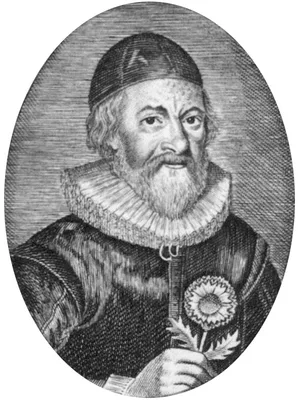
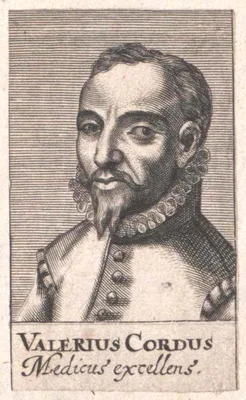
1561 DIOSCORIDES, Pedanius [Πεδάνιος Διοσκουρίδης] (40 – 90); GESNER, Conrad [Konrad Gessner] (1516 – 1565); CORDUS, Valerius (1515 – 1544)
In hoc volumine continentur Valerii Cordi ... Annotationes in Pedacii Dioscoridis Anazarbei De medica materia libros V : longè aliae quàm ante hac sunt evulgatae. Ejusdem Val. Cordi Historiae stirpium Lib. IIII. posthumi, nunc primùm in lucem editi, adjectis etiam stirpium iconibus, & brevissimus annotatiunculis. Sylva, qua rerum fossilium in Germania plurimarum, metallorum, lapidum & stirpium aliquot rariorum notitiam brevissimè persequitur, nunquam hactenus visa. De artificiosis extractionibus liber. Compositiones medicinales aliquot, non vulgares. His accedunt Stocc-Hornii et Nessi in Bernatium Helvetiorum ditione montium, & nascentium in eis stirpium, descriptio Benedicti Aretii ... Item Conradi Gesneri De hortus Germaniae, liber recens, unà cum descriptione tulipae turcarum, chamaecerasi montani, chamaemespili, chamaenerii, & conozoidis ... Omnia summa studio atque industria ... Conr. Gesneri ... collecta, & praefationibus illustrata.
This work not only updated the species listed by Dioscorides, but also listed about 500 new species of plants. Published posthumously, the work was carefully edited by Conrad Gesner. Cordus was the inventor of phytogr…
GMN 1814 · https://historyofmedicine.com/id/2022
1563 ORTA, Garcia de [Garcia d'Orta] (1501 – 1568)
Colóquios dos simples, e drogas he cousas mediçinais da Índia e assi dalgũas frutas achadas nella onde se tratam algũas cousas tocantes a medicina, pratica, e outras cousas boas pera saber.
The first account of Indian materia medica and the first textbook on tropical medicine written by a European. It includes a classic account of Asiatic cholera, the first account of this disease by a European. This is …
GMN 1815 · https://historyofmedicine.com/id/2046
1565 MONARDES, Nicolás Bautista (1493 – 1588)
Dos libros. El uno trata de todas las cosas que traen de nuestras Indias Occidentales, que sirven al uso de medicina, y como se ha de usar dela rayz del Mechoacan, purga excelentissima. El otro libro, trata de dos medicinas maravillosas que son contra todo veneno, la piedra Bezaar, y la yerva Escuerçonera. Con la cura de los venenados. Do veran muchos secretos de naturaleza y de medicina, con grandes experiencias.
The first treatise on Central and South American medicinal plants, and for many years the most important work on the medicinal plants of the New World. Working from Seville, Spanish doctor Nicolás Monardes managed to …
GMN 1817 · https://historyofmedicine.com/id/2068
1567 ARIAS DE BENEVIDES, Pedro (1505 – )
Secretos de chirurgia, en especial de la enfermedades de morbo-galico y lamparones, y asimismo la manera como se curan los indos las llgas y heridas, y otras pasiones en las Indias, muy útil y provechoso par España, y otros muchos secretos de chirugia hasta ahora no escritos.
Arias de Benevides travelled to the New World where he observed native remedies and reported them in this book. In the book he also described his performance in Mexico City (1561) of the first neurosurgical interventi…
GMN 9053 · https://historyofmedicine.com/id/11232
1572 GOHORY, Jacques (1520 – 1576)
Instruction sur l'herbe petum ditte en France l'herbe de la Royne ou Medicée: Et sur la racine MECHIOCAN principalement (avec quelques autres simples rares et exquis) exemplaire à manier philosophiquement tous autres vegetaux.
The earliest treatise in French on tobacco, including its usage in medicine, and probably the earliest separate treatise on tobacco in any language. Digital facsimile from the Internet Archive at this link. See Bowen,…
GMN 13547 · https://historyofmedicine.com/id/15824
1578 ACOSTA, Cristóbal [Cristóvão da Costa; Christophorus Acosta Africanus] (1540 – 1599)
Tractado de las drogas, y medicinas de las Indias Orientales, con sus plantas debuxadas al bivo.
This is mainly a translation of Garcia d’Orta’s Coloquios (No. 1815) with the addition of some illustrations. Acosta, a Portuguese Jesuit physician and surgeon, travelled to India where he met Garcia d’Orta. Acosta pi…
GMN 1819 · https://historyofmedicine.com/id/2084
1578 LÓPEZ DE HINOJOSOS, Alonso (1535 – 1597)
Summa y recopilacion de cirugia, con un arte para sangrar, muy util y provechosa.
Second edition, Mexico, 1595: Summa y recopilacion de cirugia, con un arte para sangrar, y examen de barberos ... va añadido en esta segunda impresion el origen ... de las reumas. López de Hinojos was a barber-surge…
GMN 8023 · https://historyofmedicine.com/id/10199
1582 RAUWOLF, Leonhard (1535 – 1596)
Aigentlich Beschreibung der Raiss, so er vor diser Zeit gegen Auffgang inn die Morgenländer, fürnemlich Syriam, Iudaeam, Arabiam, Mesopotamiam, Babyloniam, Assyriam, Armeniam etc....
Rauwolf provided the first modern descriptions of the flora of the area east of the Levantine coast. He was also the first to describe the riparian flora of the Euphrates, and the first European to publish an account …
GMN 7327 · https://historyofmedicine.com/id/9498
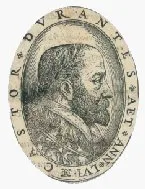
1585 DURANTE, Castore (1529 – 1590)
Herbario nuovo...con figure, che rappresentano le vive piante, che nascondo in tutta Europa, & nell' Indie Orientali, & Occidentali.
Durante, physician to Pope Sixtus V, published this encyclopedia of medicinal plants from Europe and the East and West Indies, illustrated with woodcuts by Leonardo Parasole. The work contains discussions of the habit…
GMN 10959 · https://historyofmedicine.com/id/13155
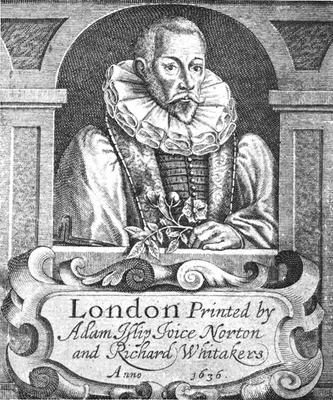
1597 GERARD, John (Gerarde) (1545 – 1612)
The herball or generall historie of plantes.
Gerard is perhaps the best remembered of ail the English herbalists. The most important edition of his book is the second, published by T. Johnson in 1633 (reprinted in facsimile, New York, Dover, 1975). Johnson great…
GMN 1820 · https://historyofmedicine.com/id/2091
1597 LANGHAM, William
The garden of health conteyning the sundry rare and hidden vertues and properties of all kindes of simples and plants, together with the maner how they are to be vsed and applyed in medicine for the health of mans body, against diuers diseases and infirmities most common amongst men. Gathered by the long experience and industrie of William Langham, practitioner in phisicke.
An alphabetically arranged handbook of herbal remedies. The title page was misprinted 1579, but the work was actually printed in 1597. A list of the plants discussed is available from Early English Books Online at thi…
GMN 11381 · https://historyofmedicine.com/id/13580
1615 HERNÁNDEZ DE TOLEDO, Francisco (1517 – 1587); XIMÉNEZ, Francisco (1560 – 1620)
Quatro libros. De la naturaleza, y virtudes de las plantas, y animales que estan receuidos en el vso de medicina en la Nueua España, y la methodo, y correccion, y preparacion, que para administrallas se requiere con lo que el doctor Francisco Hernandez escriuio en lengua latina. : Muy vtil para todo genero de gente q[ue] viue en esta[n]cias y pueblos, de no ay medicos, ni botica.Traduzido, y aumentados muchos simples, y compuestos y otros muchos secretos curatiuos, por Fr. Francisco Ximenes....
Physician to Philip II of Spain, Hernández travelled to Mexico by order of the king, and studied the natural history of the region from 1570-77. His Works, which filled six folio volumes of text and 10 volumes of pain…
GMN 1820.1 · https://historyofmedicine.com/id/2097
1617 WOODALL, John (1570 – 1643)
The surgions mate, or, A treatise discouering faithfully and plainely the due contents of the surgions chest: the uses of the instruments, the vertues and operations of the medicines, the cures of the most frequent diseases at sea: namely, wounds, apostumes, vlcers, fistulaes, fractures, dislocations, with the true maner of amputation, the cure of the scuruie, the fluxes of the belly, of the collica and illiaca passio, tenasmus, and exitus ani, the callenture; with a briefe explanation of sal, sulphur, and mercury; with certaine characters, and tearmes of arte.
Woodall was the surgeon-general to the East India Company. This was the first textbook for naval surgeons. Woodall, surgeon to Saint Bartholomew's Hospital, was an early advocate of limes and lemons as a preventive me…
GMN 2144 · https://historyofmedicine.com/id/2726
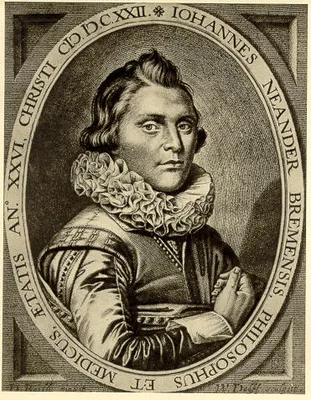
1622 NEANDER, Johann (1596 – 1630)
Tabacologia: Hoc est, tabaci, seu nicotianae descriptio medico-cheirurgico-pharmaceutica: Vel eius praeparatio & usus in omnibus corporis humani incommodis.
Neander described tobacco, its processing, and medical-pharmaceutical use. His book Includes images of the plants, of Indian, Oriental and European types of pipes, as well as depictions of cultivation and processing b…
GMN 9633 · https://historyofmedicine.com/id/11820
1628 HERNÁNDEZ DE TOLEDO, Francisco (1517 – 1587); RECCHI, Nardo Antonio de ( – 1595)
Rerum medicarum Novae Hispaniae thesaurus, seu, Plantarum animalium mineralium Mexicanorum historia.
This summary of Hemández’s very extensive manuscript account of the natural history of Mexico (see No. 1820.1) was edited by N.A. de Recchi, and published at the expense of Prince Federico Cesi (1585-1630), with notes…
GMN 1821.1 · https://historyofmedicine.com/id/2108
1629 PARKINSON, John (1567 – 1650)
Paradisi in sole paradisus terrestris. Or a garden of all sorts of pleasant flowers which our English ayre will permitt to be noursed vp: with a kitchen garden of all manner of herbes, rootes, & fruites, for meate or sause vsed with vs, and an orchard of all sorte of fruitbearing trees and shrubbes fit for our land together with the right orderinge planting & preseruing of them and their vses & vertues.
The title is a pun on the author’s name (park-in-sun). Digital facsimile from Biodiversity Heritage Library at this link.
GMN 1822 · https://historyofmedicine.com/id/2111
1631 COLMENERO DE LEDESMA, Antonio
Curioso tratado de la naturaleza y calidad del chocolate, divido en quatro puntos. En el primero se trata, que sea chocolate; y que calidad tenga el cacao, y los demas ingredientes. En el segundo, se trata la calidad que result de rodos ellos. En el tercero se trata el modo de hazerlo, y de quanta maneras se toma en las Indias, y qual dellas es mas saludable. El ultimo punto trata de la quantidad, y como se ha de toma, y en que tiempo, y que personas.
Digital facsimile of the 1631 edition from bdh-rd.bne.es at this link . Translated into French in 1643 as Du chocolate discours curieux, divisé en quatre parties. Par Antoine Colmenero de Ledesma medecin & chirurgien…
GMN 13630 · https://historyofmedicine.com/id/15910
1633 GERARD, John (Gerarde) (1545 – 1612); JOHNSON, Thomas ( – 1644)
The herball or generall historie of plantes. Gathered by John Gerarde of London master in chirurgerie. Very much enlarged and amended by Thomas Johnson citizen and apothecarye of London.
A very substantial expansion and update of Gerarde's herbal published in 1597. Besides correcting mistakes, Johnson added over 800 new species and 700 new figures, raising the number of plant descriptions in the work …
GMN 12002 · https://historyofmedicine.com/id/14210
1640 PARKINSON, John (1567 – 1650)
Theatrum botanicum: The theater of plants: Or, An herball of large extent: containing therein a more ample and exact history and declaration of the physicall herbs and plants ... distributed into sundry classes or tribes, for the more easie knowledge of the many herbes of one nature and property ... / collected by the many yeares travaile, industry and experience in this subject.
Parkinson, the last of the old English herbalists, was Apothecary to James I. His massive herbal of 1,755 pages described nearly 3,800 plants, nearly double the number described in the first edition of Gerard. Parkins…
GMN 1823 · https://historyofmedicine.com/id/2113
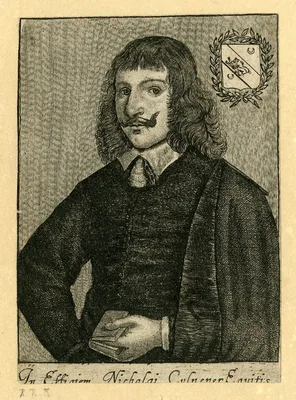
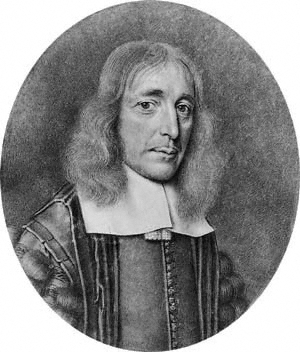
1652 CULPEPER, Nicholas (1616 – 1654)
The English physitian: Or, an astrologo-physical discourse of the vulgar herbs of this nation. Being a compleat method of physick, whereby a man may preserve his body in health; or cure himself, being sick, for three pence charge, with such things only as grow in England, as they being most fit for English bodies. Herein is also shewed, 1. The way of making plaisters, oyntments, oyls, pultisses, syrups, julips, or waters, of all sorts of physical herbs, that you may have them readie for your use at all times of the yeer. 2. What planet governeth every herb or tree (used in physick) that groweth in England. 3. The time of gathering all herbs, both vulgarly, and astrologically. 4. The way of drying and keeping the herbs all the yeer. 5. The way of keeping their juyces ready for use at all times. 6. The way of making and keeping all kind of useful compounds made of herbs. 7. The way of mixing medicines, according to cause and mixture of the disease, and part of the body afflicted.
"Culpeper attempted to make medical treatments more accessible to laypersons by educating them about maintaining their health. Ultimately his ambition was to reform the system of medicine by questioning traditional me…
GMN 8588 · https://historyofmedicine.com/id/10765
1656 BADO, Sebastiano [Baldi, Baldo] (1610 – 1676)
Cortex Peruviae redivivus, profligator febrium, assertus ab impugnationibus Melippi Protimi ...
The first book on Peruvian bark or cinchona (chinchona) in the treatment of malaria.
GMN 7620 · https://historyofmedicine.com/id/9792
1656 BOYM, Michal Piotr (1612 – 1659)
Flora sinensis, fructus floresque humillime porrigens serenissimo et potentissimo Leopoldo Ignatio, Hungariae regi florentissimo, &c. Fructus saecul promittenti Augustissimos.
The first description published in Europe of an ecosystem of the Far East, including animals as well as plants, with particular attention to Chinese fruit bearing plants, and medicinal properties of Chinese plants. Di…
GMN 8591 · https://historyofmedicine.com/id/10768
1658 PISO, Willem [Guillaume le Pois] (1611 – 1678); BONDT, Jacob de [Jacobus Bontius] (1592 – 1631)
De Indiae utriusque re naturali et medica libri quatuordecim.
This is an extensively revised and enlarged second edition of Piso’s Historia naturalis Brasiliae (1648). In this edition Piso reprinted Bontius's De medicina Indorum (1642) with two additional books on Asian flora an…
GMN 1825 · https://historyofmedicine.com/id/2125
1663 BADO, Sebastiano [Baldi, Baldo] (1610 – 1676)
Anastasis corticis Peruviae, seu chinae defensio
A defence of the virtues of Jesuit's bark or Peruvian bark (cinchona, chinchona), the most celebrated specific remedy for malaria. It was obtained from the bark of several species of the genus Cinchona, of the Rubiace…
GMN 1826 · https://historyofmedicine.com/id/7875
1669 STELLA, Benedetto
Il tabacco opera ... Nella quale si tratta dell'origine, historia, coltura, preparatione, qualità natura, virtà & uso in fumo, in polvere, in foglia, in lambitivo, et in medicina della pianta volgarmente detta tabacco, si discorre degl'vtili ch'arreca moderatamente preso, de i danni ch'apporta smoderatamente usato, e qual sia il vero e legitimo modo di prenderlo: trattato naturale, medico, morale & curioso.
Discusses the origin, history, cultivation, preparation, nature and virtues of tobacco, whether used for smoking, snuffing, chewing, etc. or for medicinal purposes (Waring). "The custom of smoking, its role in divinat…
GMN 13548 · https://historyofmedicine.com/id/15825
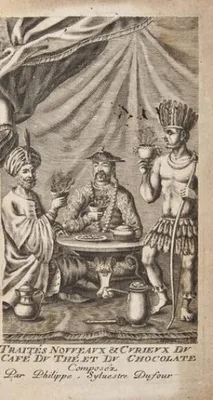
1671 DUFOUR, Philippe Sylvestre (1622 – 1687)
De l'usage du caphe, du the, et du chocolate.
The Library of Congress attributes this anonymous work to Philippe Sylvestre Dufour, but characterizes Jacob Spon as the "supposed author." They also state as follows: "Attributed also to Jacob Spon. cf. Paris. Bibl. …
GMN 13629 · https://historyofmedicine.com/id/15909
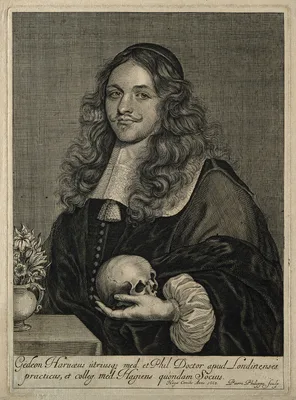
1676 HARVEY, Gideon (1640 – 1700)
The family physician, and the house apothecary: Containing I. Medicines against all such diseases people usually advise with apothecaries to be cured of, II. Instructions, whereby to prepare at your own houses all kinds of necessary medicines that are prepared by apothecaries, or prescribed by physicians, III. The exact prices of all drugs, herbs, seeds, simple and compound medicines, as they are sold at the druggists, or may be sold by the apothecaries, IV. That it's plainly made to appear, that in preparing medicines thus at your own houses, that it's not onely a far safer way, but you shall also save nineteen shillings in twenty, comparing it with the extravagant rates of many apothecaries.
The text of the second edition (1678) is available from Early English Books Online at this link.
GMN 9511 · https://historyofmedicine.com/id/11696
1677 GRIM, Herman Niklas (1641 – 1711)
Laboratorium chymicum, gehouden op het voortreffelycke Eylandt Ceylon, soo in't Animalische, Vegetabilische, als Mineralische Ryck.
The first book on the animal, vegetable and mineral medicines indigenous to Sri Lanka. Grim was a physician in the service of the VOC (the East India Company). Digital facsimile from Google Books at this link.
GMN 10648 · https://historyofmedicine.com/id/12841
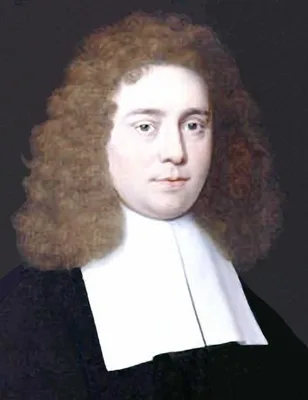
1678 –1703 COMMELIN, Jan [COMMELIJN] (1629 – 1692); VAN RHEEDE TOT DRAKENSTEIN, Hendrik Adriaan (1636 – 1691); ALMELOVEEN, Theodorus Janssonius van (1657 – 1712); CASEARIUS, Johannes (1642 – 1677); VAN DYCK, Jan; MUNNICKS, Johannes (Munnickius) (1652 – 1711); POOT, Abraham van (1617 – ); SOMEREN, Joannes van; SEYEN, Arnold (Syen) (1640 – 1678); BOOM, Henrik & Dirk
Hortus Indicus Malabaricus: Continens regni Malabarici apud Indos cereberrimi onmis generis plantas rariores, Latinas, Malabaricis, Arabicis, Brachmanum charactareibus hominibusque expressas ....12 vols.
The earliest comprehensive printed work on the flora of Asia and the tropics in 12 folio volumes written and published under the supervision of van Rheede tot Drakenstein, a colonial administrator of the Dutch East In…
GMN 9543 · https://historyofmedicine.com/id/11729
1679 YONGE, James (1646 – 1721)
Currus triumphalis, è terebinthô. Or an account of the many admirable vertues of oleum terebinthinae. More particularly, of the good effects produced by its application to recent wounds, especially with respect to the hemorrhagies of the veins, and arteries, and the no less pernicious weepings of the nerves, and lymphaducts. Where also, the common methods, and medicaments, used to restrain hemorrhagies, are examined, and divers of them censured. And lastly, A new way of amputation, and a speedier convenient method of curing stumps, than that commonly practised, is with divers other useful matters recommended to the military surgeon.…
Describes how Yonge used turpentine to arrest hemorrhage, and presents the first account of a flap amputation. It also shows that Yonge was familiar with tourniquets. Digital facsimile from Google Books at this link.
GMN 4436 · https://historyofmedicine.com/id/6326
1684 WILLIS, Thomas (1621 – 1675); PORDAGE, Samuel (1633 – 1691)
Dr. Willis's practice of physick.
The only complete edition of Willis's works in English, translated by the poet Samuel Pordage. It contains the translations of all his works except his Affectionum quae dicuntur hystericae (1671). The collection inclu…
GMN 1311 · https://historyofmedicine.com/id/10280
1687 BLÉGNY, Nicolas de (1652 – 1722)
Le bon usage du the, du caffe, et du chocolat pour la preservation & pour la guerison des maladies.
Digital facsimile from Biodiversity Heritage Library at this link.
GMN 13624 · https://historyofmedicine.com/id/15904
1688 HELVÉTIUS, Jean-Adrien (1661 – 1727)
Remèdes contre les cours de ventre.
"The remedy here treated of is ipecacuanha: although its antidysenteric virtues had previously been made known in 1649 by the writings of Piso and Marggraf [No. 2263.1] it was left to Helvetius, about forty years subs…
GMN 7955 · https://historyofmedicine.com/id/10130
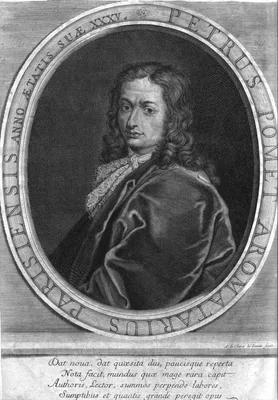
1694 POMET, Pierre (1658 – 1699)
Histoire générale des drogues….
Pomet became chief druggist to Louis XIV. His work was considered the most complete materia medica of the time. It also covered non-botanical drugs. Digital facsimile from bibdigital.rjb.csic.es at this link. English …
GMN 1827.1 · https://historyofmedicine.com/id/2148
1694 ROSA, João Ferreira da (Ferreyra da Rosa)
Trattado unico da constituiçam pestilencial de Pernambuco, offerecido a ElRey N.S. por ser servido ordenar por seu Governador aos Medicos da America, que assistem aonde ha este contagio, que o compusessem para se conferirem pelos Coripheos da Medicina aos dictames com que he trattada esta pestilencial febre.
The first scientific description of yellow fever in Brazil by the first European physician to treat the disease in Brazil, and perhaps in all of Latin America. It includes the description of the first autopsy of a yel…
GMN 8930 · https://historyofmedicine.com/id/11108
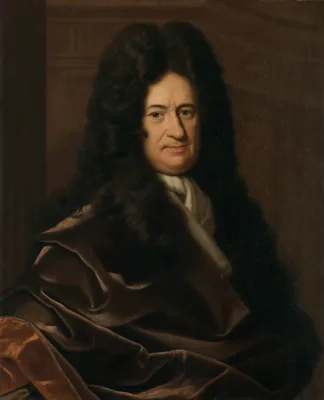
1696 LEIBNIZ, Gottfried Wilhelm (1646 – 1716)
G[othofredi]. G[uillelmi]. L[eibnitii]. Relatio ad inclytam Societatem Leopoldinam Naturae Curiosorum, de novo antidysenterico Americano magnis successibus comprobato.
This study of the ipecacuanha root and its effects as a emetic, nauseant, expectorant and dispahoretic, Leibniz issued on what he called "the new American antidysentery drug" after reading about the root in Piso and M…
GMN 14002 · https://historyofmedicine.com/id/16307
1698 VALENTINI, Michael Bernhard (1657 – 1729)
De ipecacuanha novo Gallorum antidysenterico. Resp. C[hristophe] F[riedrich] Kneussel.
There is evidence that amoebic dysentery was known to Hippocrates. The history of treatment begins with the use of ipecacuanha, the dried root of Cephaelis ipecacuanha, a plant from Brazil. This was first mentioned as…
GMN 5181 · https://historyofmedicine.com/id/6300
1699 GARTH, Samuel (1661 – 1719)
The dispensary: A poem. In six cantos.
An aggressive criticism of quack medicines, apothecaries who produced them, and physicians who prescribed them.
GMN 7965 · https://historyofmedicine.com/id/10141
1700 JONES, John [English] (1645 – 1709)
The mysteries of opium revealed.
Includes the earliest English description of drug addiction, and withdrawal. Jones attempted to use wine as a partial substitute until withdrawal was complete.
GMN 2070.1 · https://historyofmedicine.com/id/2498
1708 CULPEPER, Nicholas (1616 – 1654)
The English physician.
This reprint of Culpeper’s popular work on herbal remedies was the first medical book (94pp.) printed in North America.
GMN 1828.1 · https://historyofmedicine.com/id/2155
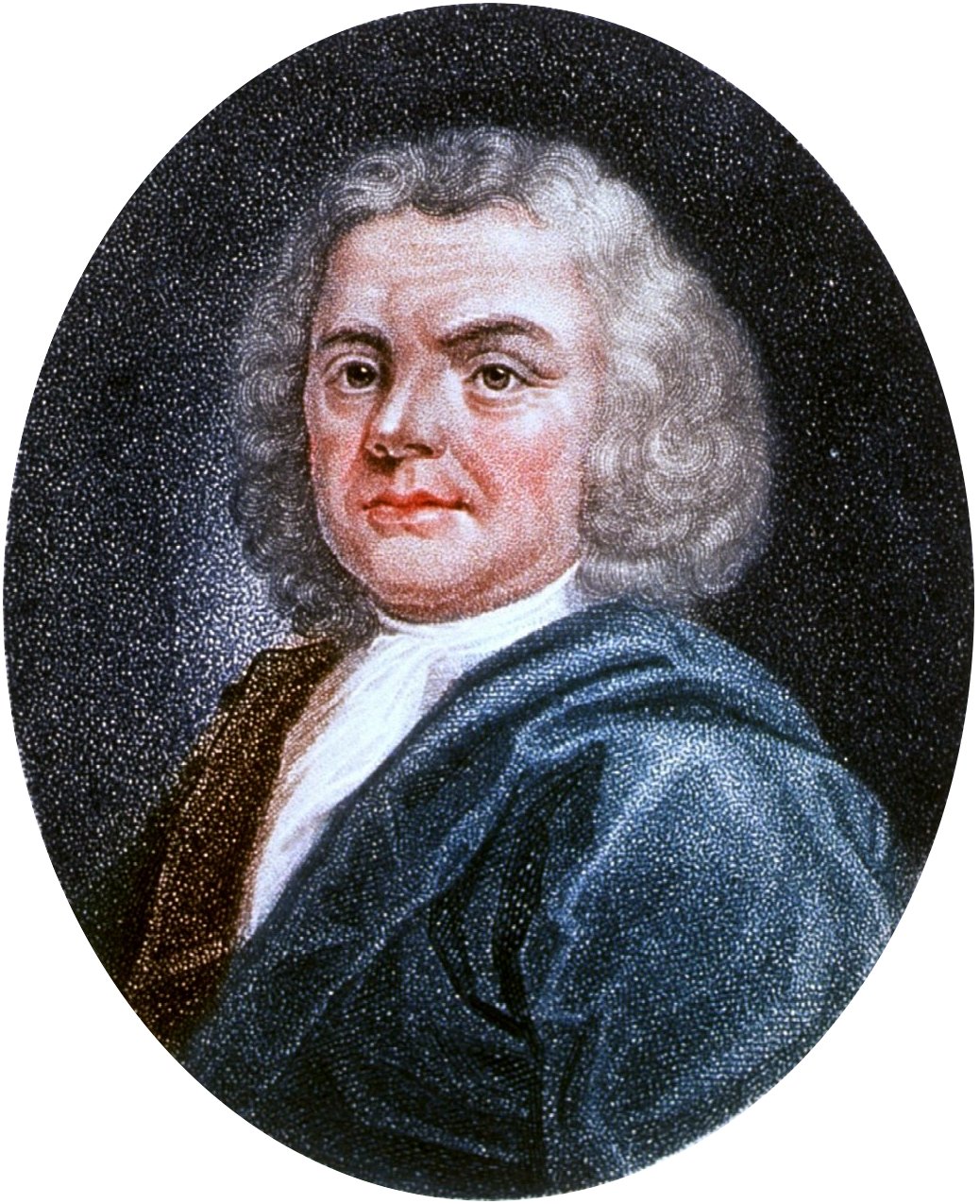
1710 BOERHAAVE, Herman (1668 – 1738)
Index plantarum, quae in Horto Academico Lugduno Batavo reperiuntur.
Upon his appointment as professor of medicine and botany at Leiden University in 1709, Boerhaave became head of the botanical garden, a laboratory for materia medica. He published his first catalogue of plants in the …
GMN 11628 · https://historyofmedicine.com/id/13828
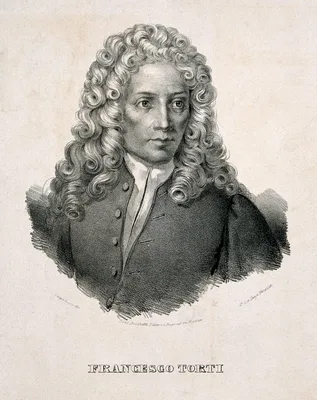
1712 TORTI, Francesco (1658 – 1741)
Therapeutice specialis ad febres quasdam pemiciosas, inopinato, ac repente lethales, una vera china china, peculiare methodo ministrata, sanabiles
Torti’s work finally established the specific nature of cinchona bark. His demonstration of its effectiveness in periodic over continuous fevers finally overthrew the doctrine of the common origin of all fevers. He is…
GMN 5231 · https://historyofmedicine.com/id/7866
1720 CULPEPER, Nicholas (1616 – 1654)
Pharmacopoeia Londinensis; or the London dispensatory…
The first herbal printed in North America, and the first full-length medical book published in North America. From the 1653 London edition.
GMN 1828.2 · https://historyofmedicine.com/id/2160
1721 BRADLEY, Richard (1688 – 1732)
The virtue and use of coffee, with regard to the plague, and other infectious distempers: containing the most remarkable observations of the greatest men in Europe concerning it ... To which is prefix'd an exact figure of the tree, flower, and fruit taken from the life.
Digital facsimile from wellcomecollection.org at this link.
GMN 13879 · https://historyofmedicine.com/id/16169
1730 SHORT, Thomas (1690 – 1772)
A dissertation upon tea, explaining its nature and properties by many new experiments; and demonstrating from philosophical principles, the various effects it has on different constitutions. To which is added the natural history of tea; and a detection of the several frauds used in preparing it. Also a discourse on the virtues of sage and water, and an enquiry into the reasons why the same food is not equally agreeable to all constitutions....
Digital facsimile from wellcomecollection.org at this link.
GMN 13626 · https://historyofmedicine.com/id/15906
1734 TENNENT, John (1700 – 1760)
Every man his own doctor: or, The poor planter's physician. Prescribing plain and easy means for persons to cure themselves of all, or most of the distempers, incident to this climate, and with very little charge, the medicines being chiefly of the growth and production of this country.
The first medical hand-book for lay persons written and published in America. It is probable that this book was first published in 1734, though the earliest recorded copy or copies appear to be the "second edition" wi…
GMN 9675 · https://historyofmedicine.com/id/11862
1740 SÉGUIER, Jean-François (1703 – 1784)
Bibliotheca botanica sive catalogus auctorum et librorum omnium qui de re botanica, de medicamentis ex vegetabilibus paratis, de re rustica, & de horticultura tractant. Accessit bibliotheca botanica Jo. Ant. Bumaldi seu potius O. Montalbani.
Organized in three parts: floras, medical botany, and horticultural and agricultural works. Séguier includes books, pamphlets, and references in the periodical literature. "The entries for the publications contain usu…
GMN 8856 · https://historyofmedicine.com/id/11034
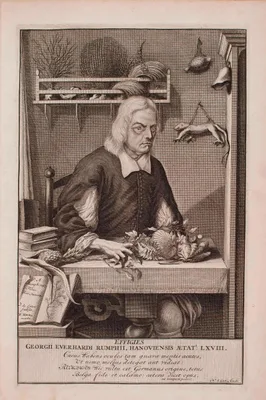
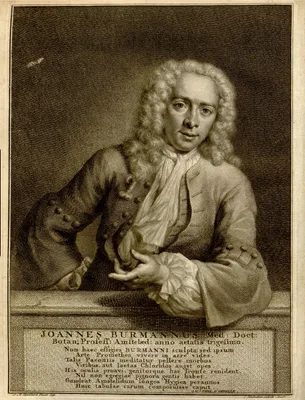
1741 –1750 RUMPHIUS, Georg Eberhard (1627 – 1702); BURMAN, Johannes (1707 – 1780)
Het Amboinsche Kruidboek . . . Herbarium Amboinense . . . nunc primum in lucem edidit & in Latinum semonem vertit Joannes Burmannus. 6 vols.
Het Amboinsche kruidboek or Herbarium Amboinense, a catalogue of the plants of Ambon in the Maluku Islands of Indonesia, by Georg Eberhard Rumphius, a German-born soldier and botanist employed by the Dutch East India …
GMN 6837 · https://historyofmedicine.com/id/9001
1745 HEBERDEN, William Sr. (1710 – 1801)
Aνтιθηεριακά. An essay on mithridatium and theriaka.
Heberden’s first printed work. His criticism of current superstitions conceming these two concoctions resulted ultimately in their removal from the pharmacopoeia. No publisher's name appears on the title page. Digital…
GMN 1831 · https://historyofmedicine.com/id/2168
1746 SHORT, Thomas (1690 – 1772)
Medicina Britannica; or, a treatise on such physical plants as are generally to be found in the fields or gardens of Great-Britain: Containing a particular account of their nature, virtues, and uses. Together with the observations of the most learned physicians, as well ancient as modern, communicated to the late ingenious Mr. Ray, and the learned Dr. Sim. Pauli. Adapted more especially to the occasions of those, whose condition or situation of life deprives them, in a great measure, of the helps of the learned. To which are added, three indexes: The first containing the England and Latin names of the plants treated of: The second of the diseases, and their remedies: The third to the notes.
Short focused his book on the medical uses of plants readily available in England. Many of the plants recommended in the traditional herbal literature were difficult to find in England. Digital facsimile from the Biod…
GMN 8869 · https://historyofmedicine.com/id/11047

![DIOSCORIDES, Pedanius [Πεδάνιος Διοσκουρίδης] (40 – 90)](/media/portraits/2028)
![ORTA, Garcia de [Garcia d'Orta] (1501 – 1568)](/media/portraits/2236)