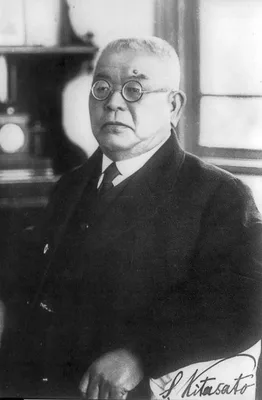
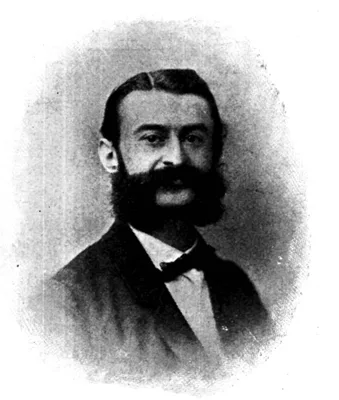
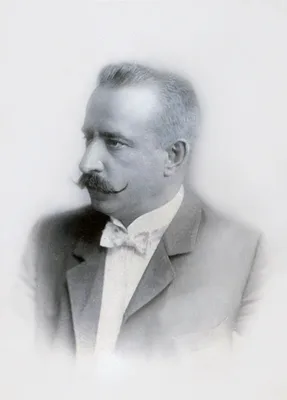
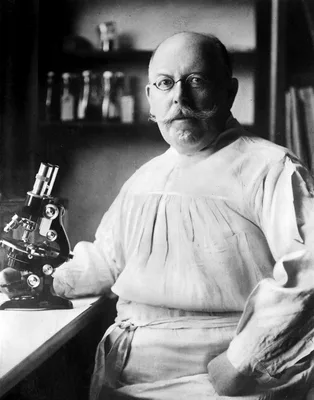
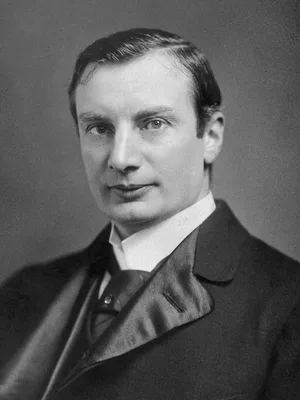
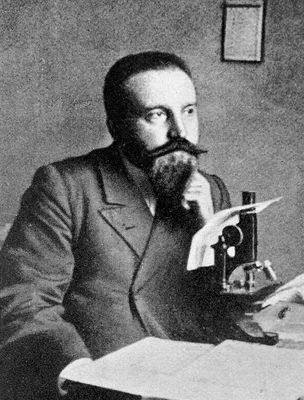
1889 KITASATO, Shibasaburō (1852 – 1931)
Ueber den Tetanusbacillus.
Kitasato obtained a pure culture of the tetanus bacillus, Cl. tetani.
GMN 5149 · https://historyofmedicine.com/id/6185
1889 STRAUS, Isidore (1845 – 1896)
Sur un moyen de diagnostic rapide de la morve.
Straus reaction for the diagnosis of glanders.
GMN 5157 · https://historyofmedicine.com/id/6207
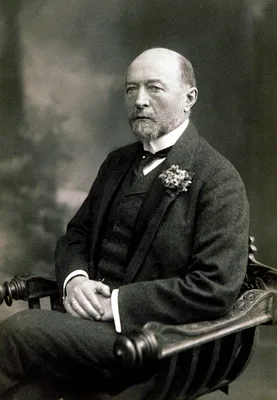
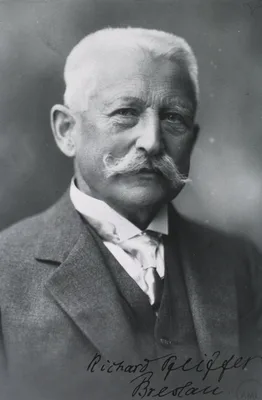
1889 PFEIFFER, Emil (1846 – 1921)
Drüsenfieber.
“Pfeiffer’s disease”. He is sometimes credited with the original description of infectious mononucleosis, ascribed to Filatov. Pfeiffer’s paper is a most comprehensive discussion of the clinical aspects of the disease.
GMN 5486 · https://historyofmedicine.com/id/6421
1889 TSCHAMER, Anton
Ueber örtliche Rötheln.
First description of acute infectious erythema, “fifth disease”, called also “Sticker’s disease” after the latter’s description of it in Z. prakt. Aerzte, 1899, 8, 353.
GMN 5504 · https://historyofmedicine.com/id/6481
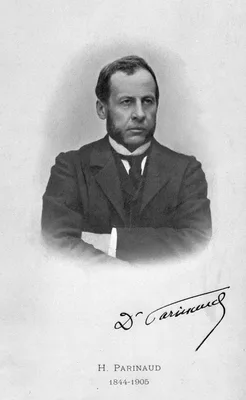
1889 PARINAUD, Henri (1844 – 1905); GALEZOWSKI, Xavier (1832 – 1907)
Conjonctivite infectieuse transmise par les animaux.
Parinaud described an infectious tuberculous conjunctivitis transmissible from animals to man. In 1924 Gifford suggested the name “Parinaud’s oculo-glandular syndrome” as a more suitable description. See also Rec. Oph…
GMN 5936 · https://historyofmedicine.com/id/6889
1889 CROOKSHANK, Edgar March (1858 – 1928)
History and pathology of vaccination. 2 vols.
This very full history of the subject caused a good deal of controversy; see the review of it in Lancet, 1890, 1, 470-72. Crookshank was an opponent of vaccination.
GMN 5435 · https://historyofmedicine.com/id/7431
1889 DUCREY, Augusto (1860 – 1940)
Il virus dell’ ulcera venerea.
Announcement of the discovery of Haemophilus ducreyi (Ducrey’s bacillus), causal organism in chancroid.
GMN 5205 · https://historyofmedicine.com/id/7796
1889 –1900 PROKSCH, Johann Karl (1840 – 1923)
Die Litteratur über die venerischen Krankheiten von der ersten Schriften über Syphilis aus dem Ende des fünfzehnten Jahrhunderts bis zum Jahre 1889. (Supplement Band I. Enthält die Litteratur von 1889-99 und Nachträge aus früherer Zeit.) 5 vols.
Reprinted Nieuwkoop, De Graaf 1966.
GMN 5226 · https://historyofmedicine.com/id/7843
1889 GOLGI, Camillo (1844 – 1926)
Sul ciclo evolutivo dei parassiti malarica nella febbre terzana.
Golgi showed that the parasite of quartan differs from that of tertian malarial fever. English translation in Kean (No. 2268.1).
GMN 5240 · https://historyofmedicine.com/id/7895
1889 VUILLEMIN, Jean Paul (1861 – 1932)
Antibiose et symbiose.
Villemin coined the term antibiosis and advanced the term from an evolutionary viewpoint. Though he presented the concept Villemin did not apply this concept to fight disease. (Thanks to Juan Weiss for this reference.)
GMN 10786 · https://historyofmedicine.com/id/12982
1889 SMITH, Theobald (1859 – 1934)
Preliminary observations on the microorganism of Texas fever.
First report on the discovery of a Babesia, cause of Babesiosis. Smith first observed the microscopic organism in the summer of 1886, but mentioned Babes's work in this paper, perhaps resulting in Babes being credited…
GMN 10885 · https://historyofmedicine.com/id/13081
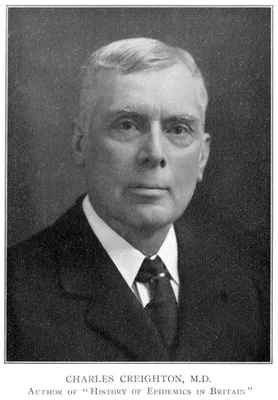
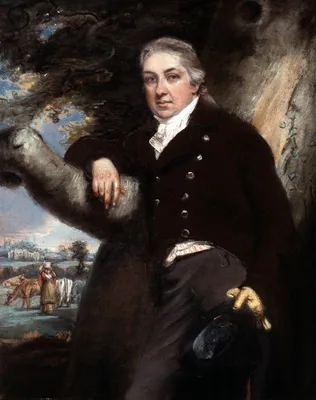
1889 CREIGHTON, Charles (1847 – 1927); JENNER, Edward (1749 – 1823)
Jenner and vaccination: A strange chapter of medical history.
Creighton, one of the founders of epidemiology, disputed the germ theory of infectious disease, and became "one of the anti-vaccination movement's 'most ardent and distinguished spokesmen.' Creighton argued that vacci…
GMN 12348 · https://historyofmedicine.com/id/14572
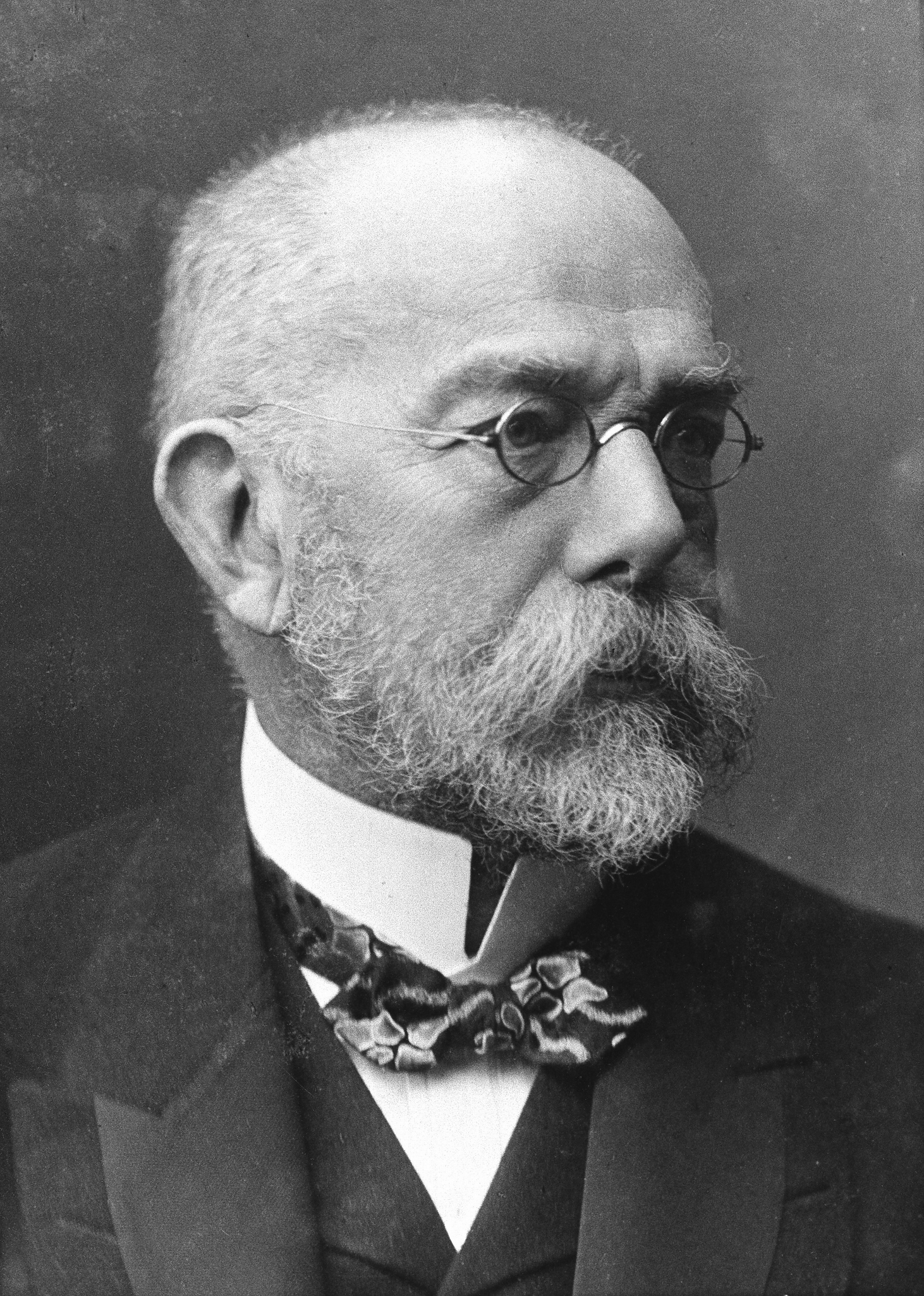
1890 KOCH, Robert Heinrich Hermann (1843 – 1910)
Weitere Mittheilungen über ein Heilmittel gegen Tuberkulose.
In 1890, Koch announced the discovery of tuberculin, a substance derived from tubercle bacilli, which he thought was capable of arresting bacterial development in-vitro and in animals. This news gave rise to tremendou…
GMN 2332 · https://historyofmedicine.com/id/3068
1890 BEHRING, Emil Adolf von (1854 – 1917); KITASATO, Shibasaburō (1852 – 1931)
Ueber das Zustandekommen der Diphtherie-Immunität und der Tetanus-Immunität bei Thieren.
Antitoxins and their immunizing powers were discovered when Behring and Kitasato published their paper dealing with immunity to tetanus and diphtheria. This work laid the foundation of all future treatment with antito…
GMN 2544 · https://historyofmedicine.com/id/3562
1890 FRAENKEL, Carl (1861 – 1915)
Immunisirungsversuche bei Diphtherie.
Artificial immunity to diphtheria produced in guinea-pigs by injection of attenuated cultures of the bacillus. Fraenkel's account appeared one day before the paper of Behring and Kitasato. Behring, Die Geschichte der …
GMN 5060.1 · https://historyofmedicine.com/id/5886
1890 –1891 COUNCILMAN, William Thomas (1854 – 1933); LAFLEUR, Henri Amadée (1863 – 1939)
Amoebic dysentery.
These workers introduced the term “amoebic dysentery” in their important investigation of the condition.
GMN 5187 · https://historyofmedicine.com/id/6331
1890 BOSTROEM, Eugen Woldemar (1850 – 1928)
Untersuchungen über die Aktinomykose des Menschen.
Isolation of Actinomyces graminis from human actinomycosis, and staining method for Actinomyces.
GMN 5513 · https://historyofmedicine.com/id/6516
1890 CANALIS, Pietro (1856 – 1939)
Études sur l’infection malarique. Sur la variété parasitaire des corps en croissant de Laveran et sur les fièvres palustres qui en dérivent.
Canalis demonstrated and clearly differentiated Plasmodium falciparum from the species vivax and malariae.
GMN 5240.1 · https://historyofmedicine.com/id/7896
1891 –1894 CREIGHTON, Charles (1847 – 1927)
A history of epidemics in Britain. Vol. 1: From A. D. 664 to the extinction of plague. Vol. 2: From the extinction of plague to the present time.
A classical contribution to modern epidemiology, of which Creighton may be said to have been the founder. Reprinted with new introductory material, 1965. Digital facsimile from the Internet Archive at this link.
GMN 1680 · https://historyofmedicine.com/id/2363
1891 –1895 BURET, Frédéric
Syphilis today and among the ancients. 2 vols.
GMN 2422 · https://historyofmedicine.com/id/2881
1891 CHIARI, Hans (1851 – 1916)
Ueber Magensyphilis.
Important study of gastric syphilis.
GMN 3498 · https://historyofmedicine.com/id/3911
1891 STADELMANN, Ernst (1853 – 1941)
Der Icterus und seine verschiedenen Formen.
GMN 3633 · https://historyofmedicine.com/id/4621
1891 WYNTER, Walter Essex (1860 – 1945)
Four cases of tubercular meningitis in which paracentesis of the theca vertebralis was performed for the relief of fluid pressure.
Lumbar puncture. Reprinted in Middx. Hosp. J., 1951, 51, 147.
GMN 4868 · https://historyofmedicine.com/id/5681
1891 HADRA, Berthold Ernest (1842 – 1903)
Wiring of the vertebrae as a means of immobilization in fracture and Pott’s disease.
“In a case of fracture-dislocation of the cervical spine (C 6-7) he [Hadra] performed open reduction, twisting metal wires around the spinous processes to stabilize the injured sector” (Bick). This is the first report…
GMN 4359.1 · https://historyofmedicine.com/id/5800
1891 HADRA, Berthold Ernest (1842 – 1903)
Wiring the spinal processes in Pott’s disease.
First spinal fusion.
GMN 4359.2 · https://historyofmedicine.com/id/5802
1891 FLEXNER, Simon (1863 – 1946); WELCH, William Henry (1850 – 1934)
The histological changes in experimental diphtheria.
An account of the pathological changes brought about by experimental inoculation of diphtheria toxins.
GMN 5061 · https://historyofmedicine.com/id/5888
1891 BABES, Victor (Babeş) (1854 – 1926)
Observations sur la morve.
Mallein reaction for the diagnosis of glanders.
GMN 5158 · https://historyofmedicine.com/id/6210
1891 EPPINGER, Hans, senior (1846 – 1916)
Ueber eine neue, pathogene Cladothrix und eine durch sie hervorgerufene Pseudotuberculosis (cladothrichica).
Eppinger isolated Cladothrix (Nocardia) asteroides in a patient suffering from pseudotuberculosis with brain abscesses and meningitis.
GMN 5513.1 · https://historyofmedicine.com/id/6518
1891 ISRAEL, James Adolf (1848 – 1926); WOLFF, Max (1844 – 1923)
Ueber Reincultur des Actinomyces und seine Uebertragbarkeit auf Thiere.
Isolation of Actinomyces bovis, later called Actinomyces israelii.
GMN 5514 · https://historyofmedicine.com/id/6520
1891 GRASSI, Giovanni Battista (1854 – 1925); FELETTI, Raimondo (1851 – 1928)
Malariaparasiten in den Vögeln.
Confirmation of the work of Laveran.
GMN 5241 · https://historyofmedicine.com/id/7897
1891 EHRLICH, Paul (1854 – 1915); GUTTMANN, Paul (1834 – 1893)
Ueber die Wirkung des Methylenblau bei Malaria.
Guttmann and Ehrlich demonstrated methylene blue to be lethal in vitro for the malaria parasite – the beginning of Ehrlich’s work on chemotherapy.
GMN 5241.1 · https://historyofmedicine.com/id/7898
1891 ROMANOWSKY, Dmitri Leonidovich (1861 – 1921)
K voprosu o parazitologii i terapii bolotnoi likhoradki. [Parasitology and treatment of malarial fever.]
Romanovsky made important studies of the malaria parasite and introduced a special stain for its demonstration. German version in St. Petersburger med. Wschr., 1891, 8, 297-302, 306-15. English translation in Kean (No…
GMN 5242 · https://historyofmedicine.com/id/7899
1891 NEPVEU, Gustav (1841 – 1903)
Étude sur les parasites du sang chez les paludiques.
Nepveu, whilst in Algeria, was the first to see trypanosomes in human blood.
GMN 5272 · https://historyofmedicine.com/id/8578
1892 LOEFFLER, Friedrich August Johann (1852 – 1915)
Ueber Epidemieen unter den im hygienischen Institute zu Greifswald gehaltenen Mäusen und über die Bekämpfung der Feldmausplage.
Isolation of Salm. typhi-murium.
GMN 2507 · https://historyofmedicine.com/id/3231
1892 HAFFKINE, Waldemar Mordecai Wolff (1860 – 1930)
Le choléra asiatique chez le cobaye.
Haffkine’s vaccine against cholera was the first to meet with any success.
GMN 5109 · https://historyofmedicine.com/id/6050
1892 PFEIFFER, Richard Friedrich Johannes (1858 – 1945)
Vorläufige Mittheilungen über die Erregerder Influenza.
Pfeiffer discovered a bacillus, Haemophilus influenzae, “Pfeiffer’s bacillus”, which he believed to be the causal organism of influenza.
GMN 5490 · https://historyofmedicine.com/id/6434
1892 POSADAS, Alejandro (1870 – 1902)
Un nuovo caso de micosis fungoides con psorospermias.
As an intern in Buenos Aires, Posadas described an Argentine soldier who had a dermatological problem since 1889. Posadas had seen the patient while a medical student in 1891, and skin biopsies revealed organisms rese…
GMN 5528.1 · https://historyofmedicine.com/id/6639
1892 WERNICKE, Roberto Johann (1854 – 1922)
Pentastomas.
Posadas (No. 5528.1) and Wernicke, a professor pathology in Buenos Aires, were the first to report cases of coccidioidomycosis. German translation of Wernicke’s paper in Zbl. Bakt., 1892, 12, 859-61.
GMN 5528.2 · https://historyofmedicine.com/id/6642
1892 BÓKAY, János (1858 – 1937)
Das Auftreten von Varizellen unter eigentümlichen Verhältnissen.
Bokay was the first to suggest an etiological relationship between varicella and herpes zoster. See also his paper in Wien. klin. Wschr., 1909, 22, 1323-26.
GMN 5439.1 · https://historyofmedicine.com/id/7460
1892 GOLGI, Camillo (1844 – 1926)
Azione della chinina sui parasite malarici e sui corrispondente accessi febbrili.
French translation in Arch. ital. Biol., 1892, 17, 456-71.
GMN 5243 · https://historyofmedicine.com/id/7900
1892 MARCHIAFAVA, Ettore (1847 – 1935); BIGNAMI, Amico (1862 – 1929)
Sulle febbre malariche estivo-autumnali.
A summary of the Italian work on malaria. English translation, 1894.
GMN 5244 · https://historyofmedicine.com/id/7901
1892 –1896 BRAMWELL, Sir Byrom (1847 – 1931)
Atlas of clinical medicine. 3 vols.
Published at the end of the 19th century, and employing the wide variety of illustration technologies then available, including color lithography, lithography, and photography, this work testifies to the breadth and d…
GMN 10621 · https://historyofmedicine.com/id/12814
1893 HÖCK, Heinrich
Ein Beitrag zur Arthritis blennorrhoica.
Gonococci isolated from an arthritic joint.
GMN 4502.1 · https://historyofmedicine.com/id/97
1893 BEHRING, Emil Adolf von (1854 – 1917)
Die Behandlung der Diphtherie mit Diphtherieheilserum.
In 1890 Behring and Kitasato discovered the diphtheria and tetanus antitoxins (see No. 5060). The above papers deal more fully with the use of the diphtheria antitoxin.
GMN 5062 · https://historyofmedicine.com/id/5891
1893 BERGE, André
Sur la pathogénie de la scarlatine.
Bergé stated all the essential facts concerning the aetiology of scarlet fever, and definitely attributed its cause to a streptococcus. He published a thesis on the subject in 1895.
GMN 5080.1 · https://historyofmedicine.com/id/5940
1893 QUINCKE, Heinrich Irenaeus (1842 – 1922); ROOS, Ernst (1866 – )
Ueber Amöben-Enteritis.
Entamoeba histolytica distinguished from Entamoeba coli. English translation in Kean (No. 2268.1).
GMN 5188 · https://historyofmedicine.com/id/6334
1893 SMITH, Theobald (1859 – 1934); KILBORNE, Frederick Lucius (1858 – 1936)
Investigations into the nature, causation and prevention of Texas or Southern cattle fever.
U.S. Bureau of Animal Industry, Bulletin No. 1. Discovery of the parasite of Texas cattle fever, Pyrosoma bigeminum, and proof that its transmission is due to the cattle tick, Boöphilus bovis. This was the first demon…
GMN 5529 · https://historyofmedicine.com/id/6646
1893 BLICKHAHN, Walter L. (1862 – )
A case of ankylostomiasis.
First recognition of ankylostomiasis in America. It had previously been reported and described under various names.
GMN 5360 · https://historyofmedicine.com/id/6963
1893 GUARNIERI, Guiseppe (1856 – 1918)
Ricerche sulla patogenesi ed etiologia dell’ infezione vaccinica e vaiolosa.
Guamieri described bodies found in the specific lesions of smallpox. Cytorrhyctes variolae guarnieri, which he believed to be the causative organism of the disease. Guarnieri bodies are found in all poxvirus infection…
GMN 5428 · https://historyofmedicine.com/id/7380
1893 HAND, Alfred (1868 – 1949)
Polyuria and tuberculosis.
“Hand–Schüller–Christian syndrome”, which Hand called polyuria and tuberculosis.
GMN 6361 · https://historyofmedicine.com/id/8263