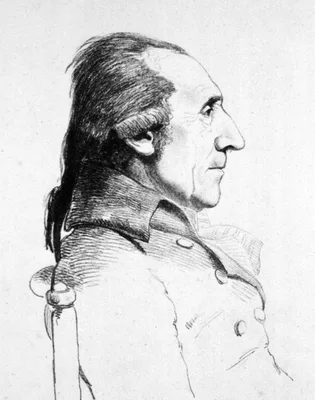
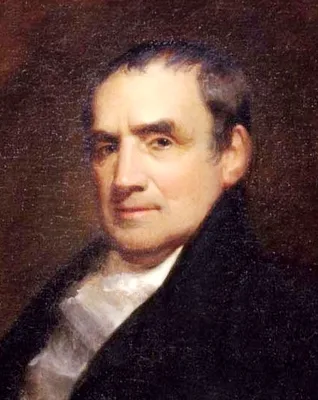
1473 STEINHÖWEL, Heinrich (Steinhäuel or Steinheil) (1412 – 1482)
Büchlein der Ordnung (Pest Regiment)
Steinhöwel was a Swabian author, humanist, and translator who was much inspired by the Italian Renaissance. His translations of medical treatises and fiction were an important contribution to early Renaissance Humanis…
GMN 5114 · https://historyofmedicine.com/id/6079
c. 1474 VELASCUS DE TARENTA (VALESCO,VALASCUS) (1382 – 1426)
De epidemia et peste.
One of the earliest works written on public health, and one of the earliest printed medical books. It was first printed in Arnaldus de Villanova’s De arte cognoscendi venena (Padua, 1473; Mantua, 1473). Above is the f…
GMN 5113 · https://historyofmedicine.com/id/6077
1478 –1482 JACME, Jean [Johannes Jacobi] ( – 1384)
Tractatus de pestilentia.
The most widely disseminated of all plague tracts from the time of the Black Death, of which 33 printed editions appeared in the 15th century. A French rhymed version appeared in 1476, but this version is very differe…
GMN 5115 · https://historyofmedicine.com/id/6082
1480 BERNARD DE GORDON, (Bernardus de Gordonio) (1250 – 1330)
Practica, seu Lilium medicinae.
Includes descriptions of plague, tuberculosis, scabies, epilepsy, anthrax, and leprosy. ISTC No. ib00447000.
GMN 8369 · https://historyofmedicine.com/id/10546
1483 JACME, Jean [Johannes Jacobi] ( – 1384)
Regimen contra pestilentiam [English] Treatise on the Pestilence.
The earliest medical work printed in English. It was published without printer's name or date, but has been attributed to the press of William Machlinia, in London, and estimated to have been published in 1483."Althou…
GMN 6812 · https://historyofmedicine.com/id/8975
1491 KETHAM, Johannes de [Johannes von Kirchheim] ( – 1490); TOSSIGNANO, Pietro da (PETRUS DE TUSSIGNANO) (1350 – 1401)
Fasciculus medicinae. Add: Petrus de Tussignano: Consilium pro peste evitanda.
A collection of short medical treatises which circulated widely in manuscript, some as early as the 13th century, and was perhaps attributed by the printers to its former owner, Johannes von Kirchheim, a professor of …
GMN 363 · https://historyofmedicine.com/id/322
1493 –1494 MONDINO DE LUZZI, [MUNDINUS] (1270 – 1326); KETHAM, Johannes de [Johannes von Kirchheim] ( – 1490); TOSSIGNANO, Pietro da (PETRUS DE TUSSIGNANO) (1350 – 1401); MANILIO, Sebastiano (Sebastianus Manilius); MORSIANUS, Petrus Andreas ( – 1501)
Fascicolo di medicina. Tr: Sebastianus Manilius. Add: Petrus de Tussignano: Consilium pro peste evitanda. Mundinus: Anatomia (Ed: Petrus Andreas Morsianus).
This Italian translation contains an entirely new and more extensive series of woodcuts and additional text. The dramatically improved and more realistic illustrations, which were reproduced in the numerous later edit…
GMN 363.1 · https://historyofmedicine.com/id/327
1536 CARDANO, Girolamo [Gerolamo; Hieronymus Cardanus] (1501 – 1576)
De malo recentiorum medicorum medendi usu libellus.
Includes (cap. XXXVI) an early account of typhus, morbus pulicaris. English translation in Major, Classic descriptions of disease, 3rd ed., Springfield: Charles C Thomas, 1945, p. 163.
GMN 5370 · https://historyofmedicine.com/id/7006
1546 FRACASTORO, Girolamo [FRACASTORIUS] (1478 – 1553)
De sympathia et antipathia rerum liber unus. De contagione et contagiosis morbis et curatione.
Though Fracastoro wrote this book more than a century before Leewenhoek invented the microscope, and could only express the theory of contagion in very general terms, this book represents a landmark in the development…
GMN 2528 · https://historyofmedicine.com/id/3485
1548 ALEXANDER OF TRALLES [ἈΛΈΞΑΝΔΡΟΣ Ὁ ΤΡΑΛΛΙΑΝΌΣ; ALEXANDER TRALLIANUS] (525 – 605); RHAZES [MUHAMMAD IBN ZAKARIYĀ AL-RĀZĪ (PERSIAN: محمد زکریای رازی ] (854 – 925); GOUPYL, Jacques (Goupil) (1525 – 1564)
Alexandrū Trallianū Iatrū Biblia Dyokaideka. Alexandri Tralliani medici libri XII. Rhazae De pestilentia libellus ex Syrorum lingua in Graecam translatus. Edited by Jacques Goupil.
First edition of the Greek text of the works of Alexander of Tralles, together with an edition of Rhazes on the plague. Both texts were edited by Jacques Goupil. The work was issued by the distinguished scholar printe…
GMN 11111 · https://historyofmedicine.com/id/13307
1570 BRAVO, Francisco (1530 – 1594)
Opera medicinalia.
Opera medicinalia was the first medical book printed in the Western Hemisphere, and its botanical images were the first illustrations of plants printed in the Western Hemisphere. Of the original edition only two copie…
GMN 5372 · https://historyofmedicine.com/id/7014
1578 COYTARD DE THAIRÉ, Jean (Johannes Coytarrus) ( – 1590)
De febre purpura epidemiali et contagiosa libri duo.
Coytard distinguished between petechial typhus and typhoid.
GMN 5372.1 · https://historyofmedicine.com/id/7016
1598 WATESON, George
The cures of the diseased, in remote regions. Preventing mortalitie, incident in forraine attempts, of the English nation.
This book is the earliest work in English devoted to tropical medicine. It discusses sunstroke, tabardilla (possibly typhus or yellow fever), prickly heat, dysentery, erysipelas and scurvy. Facsimile reproduction, wit…
GMN 2262 · https://historyofmedicine.com/id/2805
1603
True bill of the vvhole number that hath died at London.
BILL OF MORTALITY
The collection, recording, and publishing of medical statistics in the form of Bills of Mortality began in England as a result of the epidemic of plague in 1592-93. The earliest surviving copy of the Bills of Mortalit…
GMN 6821 · https://historyofmedicine.com/id/8984
1623 ABREU, Aleixo de (1568 – 1630)
Tratado de las siete enfermedades, de la inflammacion universal del higado, zirbo, pyloron, y riñones, y de la obstrucion, de la satiriasi, de la terciana y febre maligna, y passion hipocondriaca. Lleva otros tres tratados, del mal de Loanda, del guzano, y de las fuentes y sedales.
The first important work on tropical diseases. Only six copies of the original edition of this book are known. It includes full accounts of malaria, typhoid, and scurvy, and the first accurate descriptions of yellow f…
GMN 2262.1 · https://historyofmedicine.com/id/2808
1624 SPIEGHEL, Adriaan van der [SPIGELIUS] (1578 – 1625)
De semitertiana libri quatuor.
First extensive account of malaria.
GMN 5229 · https://historyofmedicine.com/id/7857
1646 DIEMERBROECK, Ysbrand van (Isbrand) (1609 – 1674)
De peste libri quatuor, truculentissimi morbi historiam ratione et experientiâ confirmatum exhibentes.
English translation, 1722. Digital facsimile of the Amsterdam 1665 edition revised and expanded by the author from Google Books at this link.
GMN 5117 · https://historyofmedicine.com/id/6084
1656 BADO, Sebastiano [Baldi, Baldo] (1610 – 1676)
Cortex Peruviae redivivus, profligator febrium, assertus ab impugnationibus Melippi Protimi ...
The first book on Peruvian bark or cinchona (chinchona) in the treatment of malaria.
GMN 7620 · https://historyofmedicine.com/id/9792
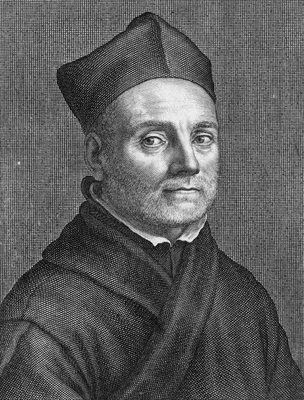
1658 KIRCHER, Athanasius (1602 – 1680)
Scrutinium physico-medicum contagiosae luis, quae pestis dicitur.
Kircher, a Jesuit scholar and polymath, not specifically trained in medicine, was probably the first to employ the microscope in investigating the cause of disease. He mentioned that the blood of plague patients was f…
GMN 2528.1 · https://historyofmedicine.com/id/3487
1663 BADO, Sebastiano [Baldi, Baldo] (1610 – 1676)
Anastasis corticis Peruviae, seu chinae defensio
A defence of the virtues of Jesuit's bark or Peruvian bark (cinchona, chinchona), the most celebrated specific remedy for malaria. It was obtained from the bark of several species of the genus Cinchona, of the Rubiace…
GMN 1826 · https://historyofmedicine.com/id/7875
1665
London’s dreadful visitation, or, a collection of all the Bills of Mortality for the present year: beginning the 27th of December 1664, and ending the 19th of December following…By the Company of Parish Clerks of London.
BILLS OF MORTALITY
This is a valuable statistical record of the great plague of 1665. (No. 6052 in the Bibliotheca Osleriana.)
GMN 5119 · https://historyofmedicine.com/id/8855
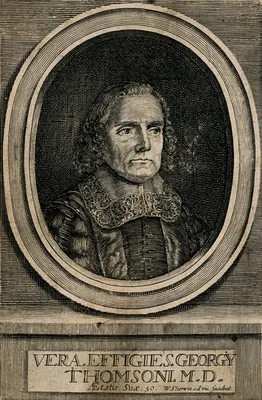
1665 THOMSON, George (1619 – 1676)
Loimologia: A consolatory advice, and some brief observations concerning the present pest.
Thomson was one of the few physicians who remained in London to treat patients during the plague of 1665. Digital facsimile from Google Books at this link.
GMN 13275 · https://historyofmedicine.com/id/15541
1666 THOMSON, George (1619 – 1676)
Loimotomia, or, The pest anatomized in these following particulars, Viz. 1. The material cause of the pest, 2. The efficient cause of the pest, 3. The subject part of the pest, 4. The signs of the pest, 5. An historical account of the dissections of a pestilential body by the author, and the consequences thereof, 6. Reflections and observations on the fore-said dissection, 7. Directions preservative and curative against the pest: Together with the authors apology against the calumnies of the Galenists, and a word to Mr. Nath. Hodges, concerning his late Vindiciae medicinae.
One of the earliest books that illustrated human dissection for a contagious disease. Digital text available from Early English Books Online at this link.
GMN 13276 · https://historyofmedicine.com/id/15542
1667 DU TERTRE, Jean Baptiste (1610 – 1687)
Histoire générale des Antilles habités par les Français. Tom. 1.
Du Tertre, a priest, described (pp. 81, 99, 423) the outbreaks of yellow fever at Guadeloupe in 1635, 1640, and 1648.
GMN 5450 · https://historyofmedicine.com/id/7513
1667 VINCENT, Thomas (1634 – 1678)
Gods terrible voice in the city of London wherein you have the narration of the two late dreadful judgements of plague and fire, inflicted by the Lord upon that city; the former in the year 1665. The latter in the year 1666
This edition of a plague tract by English puritan minister Thomas Vincent was the first medical or biological publication in North America. It was issued by printer Samuel Green, using a press in Cambridge, Massachuse…
GMN 6823 · https://historyofmedicine.com/id/8986
1672 HODGES, Nathaniel (1629 – 1688)
Λοιμόλόγια sive pestis nuperae apud populum Londinensem grassantis narratio historica.
Best medical record of the Great Plague of 1665. Hodges was physician to the City of London and the medical hero of the great epidemic. English translation by John Quincy, 1720: Loimologia, or, An historical account o…
GMN 5121 · https://historyofmedicine.com/id/6095
1677 HASEIAH, Laurentius [HASEIAC]
De postrema Melitensi lue praxis historica.
This work, recording the epidemic of plague in Malta in 1675-76, was the first medical work published by a Maltese.
GMN 5122 · https://historyofmedicine.com/id/8856
1685 COBER, Tobias (1625 – )
Observationum medicarum Castrensium Hungaricarum.
Pp. 49-51: Cober, a German physician, reported the relationship between typhus and pediculosis.
GMN 5373 · https://historyofmedicine.com/id/7020
1694 ROSA, João Ferreira da (Ferreyra da Rosa)
Trattado unico da constituiçam pestilencial de Pernambuco, offerecido a ElRey N.S. por ser servido ordenar por seu Governador aos Medicos da America, que assistem aonde ha este contagio, que o compusessem para se conferirem pelos Coripheos da Medicina aos dictames com que he trattada esta pestilencial febre.
The first scientific description of yellow fever in Brazil by the first European physician to treat the disease in Brazil, and perhaps in all of Latin America. It includes the description of the first autopsy of a yel…
GMN 8930 · https://historyofmedicine.com/id/11108
1694 ARRIETA, Filippo de
Raguaglio historico del contaggio occorso nella provincia di Bari negli anni 1690, 1691 e 1692.
Arrieta published two very early disease maps in this work showing locations of plague in the province of Bari, Italy, and his employment of troops to isolate those areas. Digital facsimile from the Internet Archive a…
GMN 10455 · https://historyofmedicine.com/id/12648
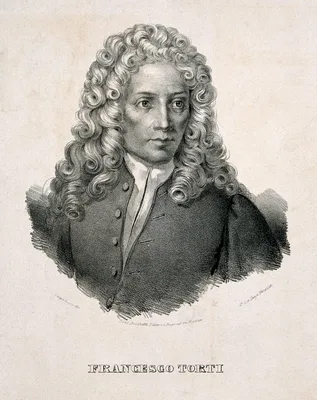
1712 TORTI, Francesco (1658 – 1741)
Therapeutice specialis ad febres quasdam pemiciosas, inopinato, ac repente lethales, una vera china china, peculiare methodo ministrata, sanabiles
Torti’s work finally established the specific nature of cinchona bark. His demonstration of its effectiveness in periodic over continuous fevers finally overthrew the doctrine of the common origin of all fevers. He is…
GMN 5231 · https://historyofmedicine.com/id/7866
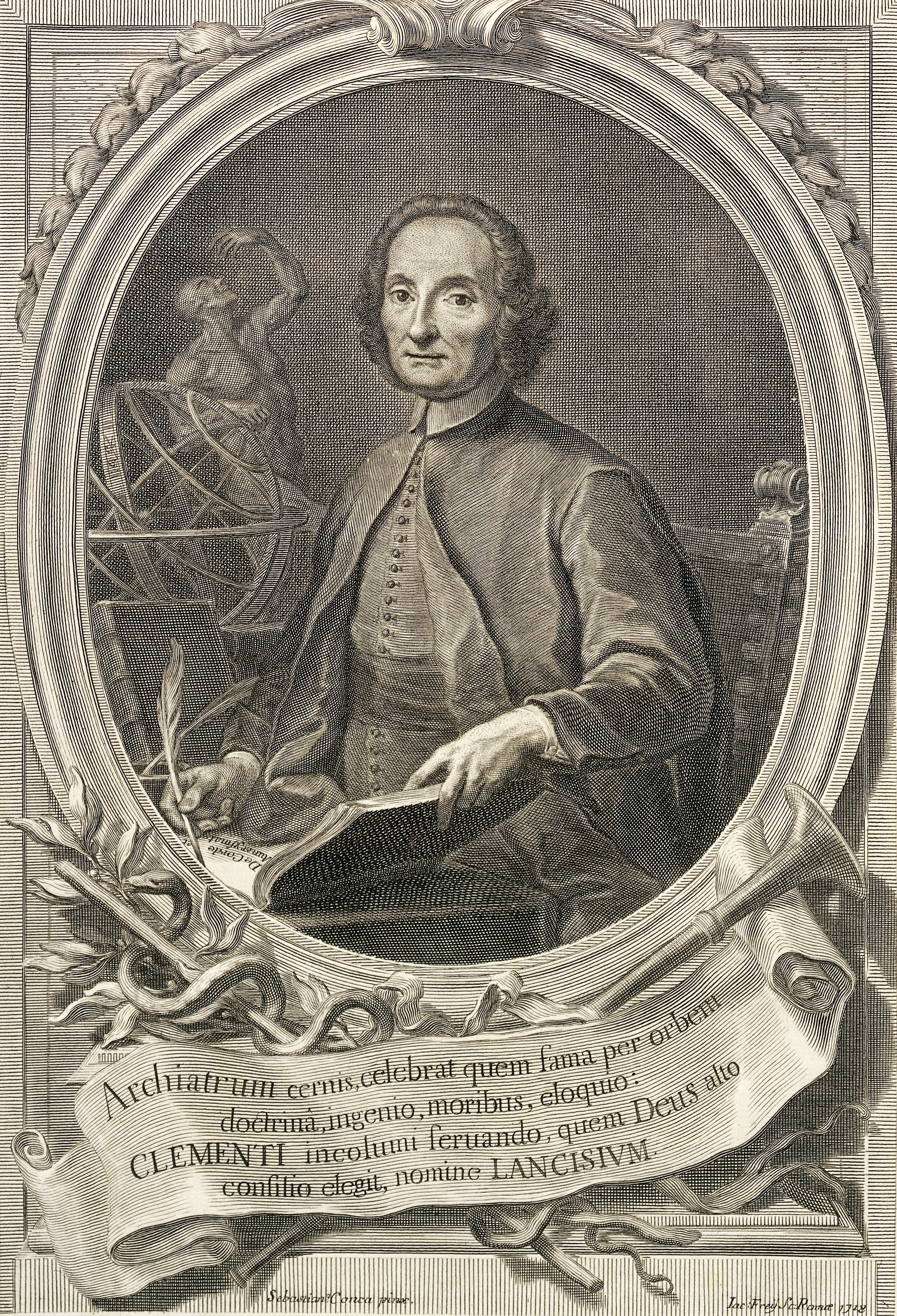
1717 LANCISI, Giovanni Maria (1654 – 1720)
De noxiis paludum effluviis, eorumque remediis.
Lancisi suggested that since malaria disappears after drainage it was due to some sort of poison emanating from marshes and possibly transmitted by mosquitoes. He planned a drainage scheme for marshy regions. His work…
GMN 5232 · https://historyofmedicine.com/id/7877
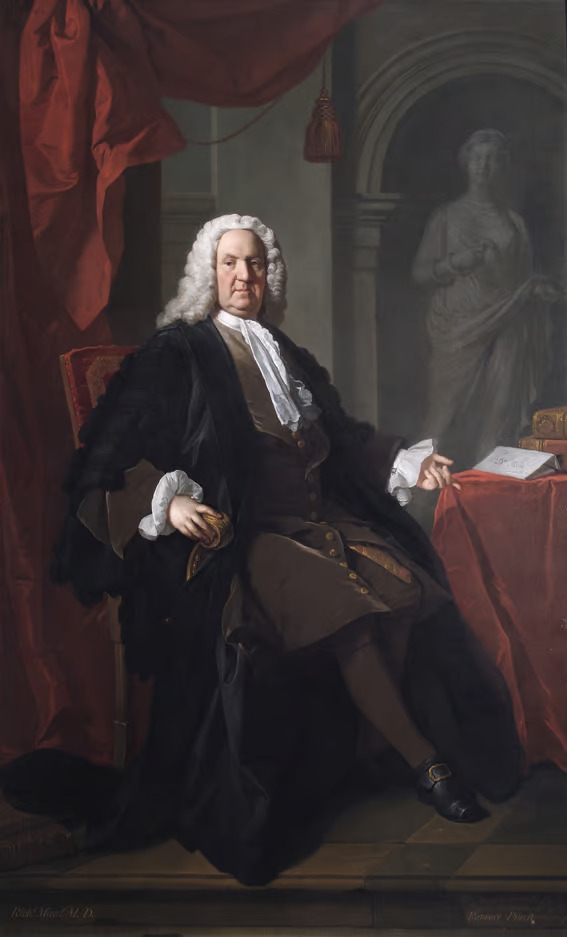
1720 MEAD, Richard (1673 – 1754)
A short discourse concerning pestilential contagion, and the methods to be used to prevent it.
In 1719 Mead was asked for advice concerning an outbreak of plague in Marseilles, and replied with the above tract of 59 pages, which has been called the first epidemiological report produced by a physician at the com…
GMN 5123 · https://historyofmedicine.com/id/6107
1721 BECKETT, William
A Collection of Very Valuable and Scarce Pieces relating to the last Plague in the year 1665. viz. I. Orders drawn up and published by the Lord Mayor and Aldermen of the City of London to prevent the spreading of the infection. II. An account of the first rise, progress, symptoms and cure of the Plague, being the substance of a letter from Doctor Hodges to a person of quality. III. Necessary directions for the prevention for cure of the plague, with divers remedies of small charge by the College of Physicians. IV. Reflections on the Weekly Bills of Mortality, so far as they relate to all the plagues which have happend in London from the year 1592 to the Great Plague in 1665, and some other particular diseases. With a preface shewing the usefulness of this collection: some errors of Dr. Mead, and his misrepresentations of Dr. Hodges and some authors. To which is added An Account of the plague at Naples in 1656, etc. [Compiled by William Beckett.].
Attributed to William Beckett by OCLC. Digital facsimile of the 1721 second edition from the Internet Archive at this link.
GMN 9521 · https://historyofmedicine.com/id/11707
1721 GAUDEREAU, Martin (1663 – 1743)
Relation des différentes espèces de peste qui reconnaissent les orientaux, des précautions & des remèdes qu'ils prennent pour empêcher la communication & le progrès; et ce que nous devons faire à leur exemple pour nous en préserver, & nous en guérir.
Gaudereau worked as a missionary in Turkey, Armenia, Persia, and India, facing plague outbreaks several times. In Turkey he almost succumbed to the plague, himself, but was cured using local remedies. These remedies a…
GMN 10651 · https://historyofmedicine.com/id/12844
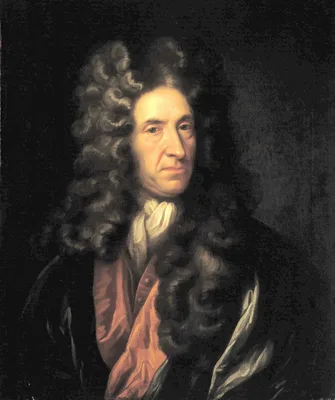
1722 DEFOE, Daniel (1660 – 1731)
A journal of the plague year: Being observatrions or memorials, of the most remarkable occurrences, as well publick as private, which happened in London during the last great visitation in 1665. Written by a citizen who continued all the while in London. Never made publick before.
Though he may be most widely remembered as a novelist--especially for Robinson Crusoe, Defoe was an English trader, writer of non-fiction as well as fiction, journalist, pamphleteer and spy. This book is an account of…
GMN 10199 · https://historyofmedicine.com/id/12388
1734 ATKINS, John (1685 – 1757)
The navy-surgeon, or a practical system of surgery.
Atkins was an English naval surgeon. His book includes some useful case reports and contains the first English description of African trypanosomiasis.
GMN 2148 · https://historyofmedicine.com/id/2737
1750 HUXHAM, John (1692 – 1768)
An essay on fevers.
Huxham’s best work. He was well known in the west of England and wrote important monographs on diphtheria and on Devonshire colic. Huxham seemed to appreciate that a difference existed between typhus and typhoid, at t…
GMN 2201 · https://historyofmedicine.com/id/1609
1750 PRINGLE, Sir John (1707 – 1782)
Observations on the nature and cure of hospital and jayl-fevers.
Pringle was a strong advocate of better ventilation in prisons and hospitals as a means of preventing typhus, which he showed to be identical with “hospital fever”.
GMN 5374 · https://historyofmedicine.com/id/7023
1755 WESZPRÉMI, Stefan (1723 – 1799)
Tentamen de inoculandi peste.
Weszprémi proposed preventive inoculation against plague.
GMN 5124 · https://historyofmedicine.com/id/6111
1755 INGRAM, Dale (1710 – 1793)
An historical account of the several plagues that have appeared in the world since the year 1346. With an enquiry Into the present prevailing opinion, that the plague is a contagious distemper, capable of being transported in merchandize, from one country to another. In which the absurdity of such notions is exposed, and the arguments that have been made use of to support them, refuted. To which are added a particular account of the yellow fever, shewing its periodical appearance to be similar to the plague. Also observations on Dr Mackenzie's letters; read before the Royal Society on this subject. And an abstract of Capt. Isaac Clemens's voyage in the Sloop Fawey, from their arrival in the Mould of Algiers, to the sinking of her, on a supposition that the plague was on board her. Taken from his log-book
Digital facsimile from Google Books at this link.
GMN 10510 · https://historyofmedicine.com/id/12703
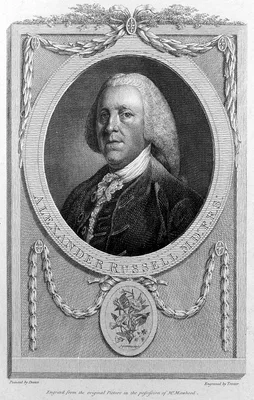
1756 RUSSELL, Alexander (1715 – 1768)
Natural history of Aleppo and parts adjacent.
Includes (Chap, iv) a good account of “Aleppo boil”, which Russell found to be endemic in Aleppo. Digital facsimile from the Internet Archive at this link.
GMN 5290 · https://historyofmedicine.com/id/6404
1770 RUTTY, John (1698 – 1775)
A chronological history of the weather and seasons and of the prevailing diseases in Dublin. With their various periods, successions, and revolutions, during the space of forty years. With a comparative view of the difference of the Irish climate and diseases, and those of England and other countries ...
Rutty kept continuous records of weather and diseases in Dublin from 1724-64. On page 75 of this work is the first clear description of relapsing fever. Digital facsimile from the Hathi Trust at this link.
GMN 1772 · https://historyofmedicine.com/id/6572
1770 MONGIN
Sur un ver trouvé sous la conjunctive, à Maribou, isle Saint-Domingue.
First description of the worm Loa loa. Mongin was a French surgeon working in the West Indies. English translation in Kean (No. 2268.1).
GMN 5336.2 · https://historyofmedicine.com/id/6706
1780 BYLON, David
Korte aantekening wegens eene algemeene ziekte, doorgaans genaamd knokkel-koorts.
Bylon described an epidemic of dengue which appeared in the Dutch East Indies in 1779, the first definite description of the disease. O. H. P. Pepper published a photographic reproduction of the article in Ann. med. H…
GMN 5469 · https://historyofmedicine.com/id/7605
1784 HENDY, James
A treatise on the glandular disease of Barbadoes: Proving it to be seated in the lymphatic system.
Digital facsimile from Google Books at this link.
GMN 13467 · https://historyofmedicine.com/id/15741
1789 HOWARD, John (1726 – 1790)
An account of the principle lazarettos in Europe. With various papers relative to the plague: Together with further observations on some foreign prisons and hospitals and additional remarks on the present state of those in Great Britain and Ireland.
Following on his work for the improvement of the conditions in prisons, Howard travelled extensively in Europe, carrying out an elaborate investigation into the conditions of hospitals. Digital facsimile of the second…
GMN 1601 · https://historyofmedicine.com/id/1721
1789 RUSH, Benjamin (1745 – 1813)
An account of the bilious remitting fever. In his Medical inquiries and observations, 1, 104-21
One of the first important accounts of dengue (“breakbone fever”). Rush described the Philadelphia outbreak of 1780.
GMN 5470 · https://historyofmedicine.com/id/7607
1791 RUSSELL, Patrick (1727 – 1805)
A treatise of the plague: Containing an historical journal, and medical account, of the plague, at Aleppo, in the years 1760, 1761, and 1762.
Digital facsimile from the Internet Archive at this link.
GMN 9522 · https://historyofmedicine.com/id/11708
1793 CAREY, Mathew (1760 – 1839)
A short account of the malignant fever, lately prevalent in Philadelphia: With a statement of the proceedings that took place on the subject in different parts of the United States.
Carey was a Philadelphia publisher and economist rather than a physician. In this little book, which passed through four editions in a few months, Carey left a graphic description of the great yellow fever epidemic of…
GMN 5451 · https://historyofmedicine.com/id/7515

![CARDANO, Girolamo [Gerolamo; Hieronymus Cardanus] (1501 – 1576)](/media/portraits/7679)