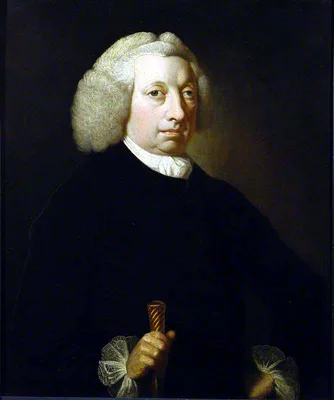
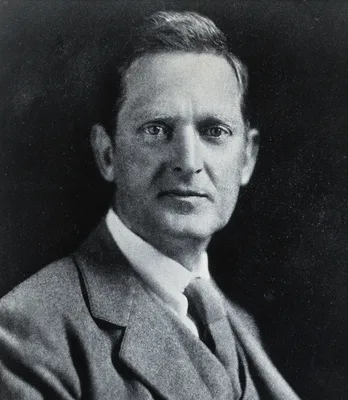
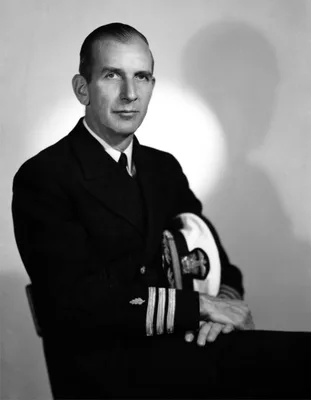
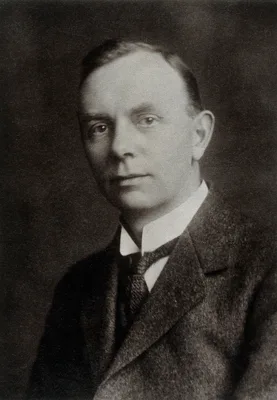
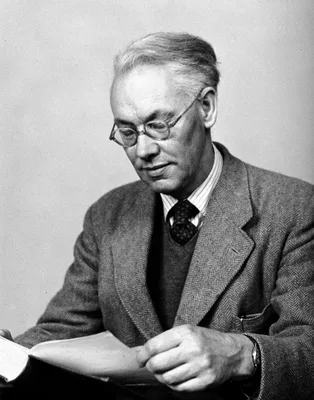
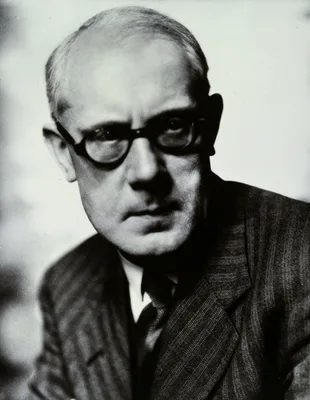
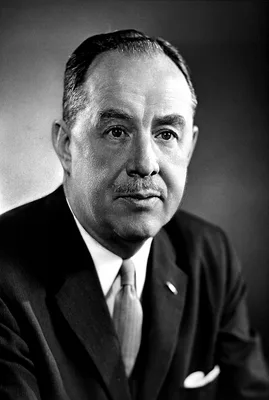
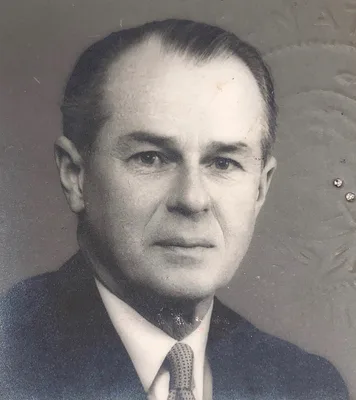
1750 HUXHAM, John (1692 – 1768)
An essay on fevers.
Huxham’s best work. He was well known in the west of England and wrote important monographs on diphtheria and on Devonshire colic. Huxham seemed to appreciate that a difference existed between typhus and typhoid, at t…
GMN 2201 · https://historyofmedicine.com/id/1609
1780 SAILLANT, Charles Jacques (1747 – 1804)
Tableau historique et raisonné des épidémies catharrales vulgairement dites la grippe; depuis 1510 jusques et y compris celle de 1780.
GMN 5488 · https://historyofmedicine.com/id/6429
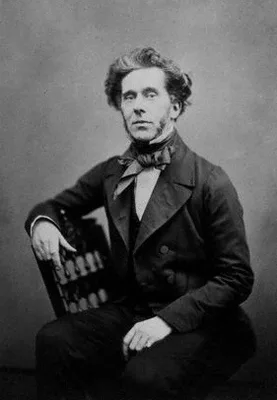
1852 THOMPSON, Theophilus (1807 – 1860)
Annals of influenza or epidemic catarrhal fever in Great Britain from 1510-1837.
GMN 5489 · https://historyofmedicine.com/id/6432
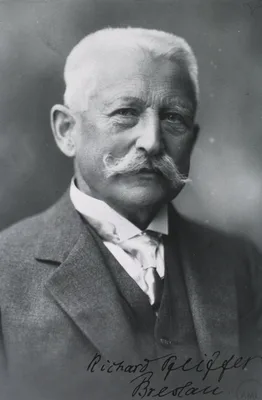
1892 PFEIFFER, Richard Friedrich Johannes (1858 – 1945)
Vorläufige Mittheilungen über die Erregerder Influenza.
Pfeiffer discovered a bacillus, Haemophilus influenzae, “Pfeiffer’s bacillus”, which he believed to be the causal organism of influenza.
GMN 5490 · https://historyofmedicine.com/id/6434
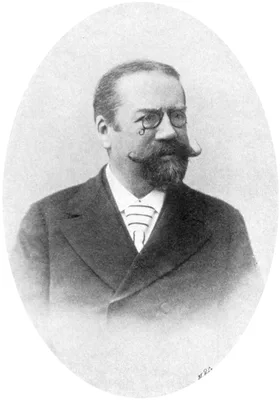
1896 LEICHTENSTERN, Otto Michael Ludwig (1845 – 1900)
Influenza und Dengue.
Forms Bd. IV, Teil 1 of Nothnagel’s Specielle Pathologie und Therapie.
GMN 5491 · https://historyofmedicine.com/id/6437
1918 U.S. PUBLIC HEALTH SERVICE
"Spanish influenza," "Three-day fever," "The flu".
Public health advice from the U.S. Public Health Service published during the pandemic.
GMN 11922 · https://historyofmedicine.com/id/14127
1920 GREAT BRITAIN. MINISTRY OF HEALTH
Report on the pandemic of influenza 1918-19.
Reports on Public Health and Medical Subjects, No. 4. The most widespread and serious pandemic of influenza occurred in 1918-19. It spread throughout Europe, Russia, Canada, S. America, New Zealand, Australia, Africa,…
GMN 5492 · https://historyofmedicine.com/id/6441
1920 U.S. BUREAU OF THE CENSUS
Special tables of mortality from influenza and pneumonia in Indiana, Kansas, and Philadelphia, Pa., September 1 to December 31, 1918.
Digital facsimile from the Hathi Trust at this link.
GMN 11921 · https://historyofmedicine.com/id/14126
1921 VAUGHAN, Warren Taylor (1893 – 1944)
Influenza: An epidemiological study. The American Journal of Hygiene. Monographic Series No. 1.
A comprehensive survey written two years after the pandemic, including historical information back to 1893. Digital facsimile from Google Books at this link.
GMN 11920 · https://historyofmedicine.com/id/14125
1922 ZINSSER, Hans (1878 – 1940)
The etiology and epidemiology of influenza.
Digital facsimile from Harvard Library at this link.
GMN 11919 · https://historyofmedicine.com/id/14124
1931 SHOPE, Richard Edwin (1901 – 1966)
Swine influenza. III. Filtration experiments and etiology.
Isolation in pigs of influenzavirus A or influenza A virus. Full text available from PubMedCentral at this link.
GMN 5493 · https://historyofmedicine.com/id/6443
1933 LAIDLAW, Sir Patrick Playfair (1881 – 1940); ANDREWES, Sir Christopher Howard (1896 – 1988); SMITH, Wilson (1897 – 1965)
A virus obtained from influenza patients.
Smith, Andrewes, and Laidlaw first isolated the influenza A virus in humans. They successfully infected ferrets with filtered throat-washings from influenzal patients by intranasal instillation.
GMN 5494 · https://historyofmedicine.com/id/6445
1933 –1934 THOMSON, David (1884 – 1969); THOMSON, Robert (1888 – )
Influenza. 2 vols.
Annals of the Pickett Thomson Research Lab., Monograph 16. "In two massive volumes Thomson and Thomson reviewed the literature on influenza up to 1934" (Spink).
GMN 5495 · https://historyofmedicine.com/id/6451
1935 BURNET, Sir Frank Macfarlane (1899 – 1985)
Propagation of the virus of epidemic influenza on the developing egg.
Cultivation of the influenza virus.
GMN 5496 · https://historyofmedicine.com/id/6453
1936 SMITH, Wilson (1897 – 1965); STUART-HARRIS, Sir Charles Herbert (1909 – 1996)
Influenza infection of man from the ferret.
First record of successful passage of influenza from animal to man. The ferret had previously been infected with a virus from a case of influenza.
GMN 5497 · https://historyofmedicine.com/id/6459
1940 FRANCIS, Thomas Jr. (1900 – 1969)
A new type of virus from epidemic influenza.
Recovery of influenza B virus.
GMN 5498 · https://historyofmedicine.com/id/6460
1940 MAGILL, Thomas Pleines (1903 – 1999)
A virus from cases of influenza-like upper-respiratory infection.
Recovery of influenza B virus.
GMN 5499 · https://historyofmedicine.com/id/6462
1942 BURNET, Sir Frank Macfarlane (1899 – 1985); CLARKE, Ellen
Influenza: A survey of the last fifty years in the light of modern work on the virus of epidemic influenza.
GMN 12108 · https://historyofmedicine.com/id/14317
1949 TAYLOR, Richard Moreland (1887 – 1981)
Studies on survival of influenza-virus between epidemics and antigenic variants of the virus.
Recovery of influenza C virus.
GMN 5500 · https://historyofmedicine.com/id/6464
1955 SCHÄFER, Werner (1912 – 2000)
Vergleichende sero-immunologische Untersuchungen über die Viren der Influenza und klassischen Geflügelpest.
Schäfer showed the close serological relationship between human influenza viruses and their avian counterparts and suggested that members of this group might change their host specificity.
GMN 5500.1 · https://historyofmedicine.com/id/6467
1977 BEVERIDGE, William Ian Beardmore (1908 – 2006)
Influenza: The last great plague.
GMN 5500.2 · https://historyofmedicine.com/id/6469
1995 VENTER, John Craig (1946 – ); SMITH, Hamilton Othanel (1931 – ); FLEISCHMANN, Robert D.; ADAMS, Mark D.; WHITE, Owen; ET AL
Whole-genome random sequencing and assembly of Haemophilus influenzae Rd.
First sequence of the complete genome of a free-living non-viral organism—Haemophilus influenzae—the bacterium that causes lower respiratory tract infections and meningitis in infants and young children. This genome c…
GMN 11343 · https://historyofmedicine.com/id/13541
2004 BARRY, John M. (1947 – )
The great influenza: The epic story of the greatest plague in history.
GMN 9974 · https://historyofmedicine.com/id/12163
2005 BYERLY, Carol R.
Fever of war: The influenza epidemic in the U.S. Army during World War I.
GMN 10415 · https://historyofmedicine.com/id/12608
2005 TAUBENBERGER, Jeffery K. (1961 – ); TUMPEY, Terence M.; BASLER, Christopher F.; AGUILAR, Patricia V.; ET AL
Characterization of the reconstructed 1918 Spanish Influenza Pandemic virus.
Order of authorship in the original publication: Tumpey, Basler, Aguilar... Taubenberger. Reconstruction of the genome of the 1918 Spanish Influenza virus from frozen tissue samples from a mass grave of victims of the…
GMN 11335 · https://historyofmedicine.com/id/13533
2016 MARKEL, Howard (1960 – ); NAVARRO, J. Alexander
Influenza encyclopedia: The American influenza epidemic of 1918 - 1919: A digital encyclopedia. Second edition.
ABOUT "Historians, journalists, and the public at large have long been interested in the 1918 “Spanish flu” epidemic, a dramatic chapter in American life that has spawned an impressive body of books, articles, and mul…
GMN 14068 · https://historyofmedicine.com/id/16379
2017 SPINNEY, Laura
Pale Rider: The Spanish flu of 1918 and how It changed the world.
GMN 9691 · https://historyofmedicine.com/id/11878
2020 RADIN, Jennifer Michalove; WINEINGER, Nathan E.; TOPOL, Eric Jeffrey (1954 – ); STEINHUBL, Stephen R.
Harnessing wearable device data to improve state-level real-time surveillance of influenza-like illness in the USA: A population-based study.
Order of authorship in the original publication: Radin, Wineinger, Topol, Steinhubl. "Background "Acute infections can cause an individual to have an elevated resting heart rate (RHR) and change their routine daily ac…
GMN 12182 · https://historyofmedicine.com/id/14392