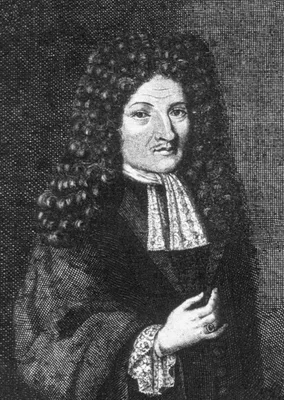
1623 ABREU, Aleixo de (1568 – 1630)
Tratado de las siete enfermedades, de la inflammacion universal del higado, zirbo, pyloron, y riñones, y de la obstrucion, de la satiriasi, de la terciana y febre maligna, y passion hipocondriaca. Lleva otros tres tratados, del mal de Loanda, del guzano, y de las fuentes y sedales.
The first important work on tropical diseases. Only six copies of the original edition of this book are known. It includes full accounts of malaria, typhoid, and scurvy, and the first accurate descriptions of yellow f…
GMN 2262.1 · https://historyofmedicine.com/id/2808
1688 HELVÉTIUS, Jean-Adrien (1661 – 1727)
Remèdes contre les cours de ventre.
"The remedy here treated of is ipecacuanha: although its antidysenteric virtues had previously been made known in 1649 by the writings of Piso and Marggraf [No. 2263.1] it was left to Helvetius, about forty years subs…
GMN 7955 · https://historyofmedicine.com/id/10130
1698 VALENTINI, Michael Bernhard (1657 – 1729)
De ipecacuanha novo Gallorum antidysenterico. Resp. C[hristophe] F[riedrich] Kneussel.
There is evidence that amoebic dysentery was known to Hippocrates. The history of treatment begins with the use of ipecacuanha, the dried root of Cephaelis ipecacuanha, a plant from Brazil. This was first mentioned as…
GMN 5181 · https://historyofmedicine.com/id/6300
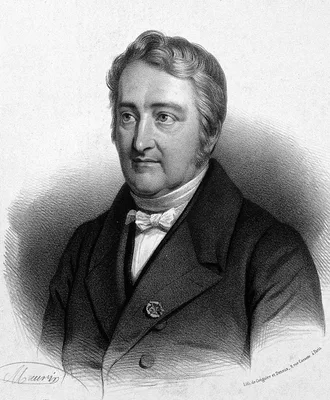
1817 MAGENDIE, François (1783 – 1855); PELLETIER, Pierre Joseph (1788 – 1842)
Mémoire sur l’émétine, et sur les trois espèces d’ipecacuanha.
Isolation of emetine. It was not until a century later that Vedder demonstrated its value in the treatment of amoebiasis. Also during 1817 Magendie and Pelletier published "Recherches chimiques et physiologiques sur l…
GMN 1843 · https://historyofmedicine.com/id/6304
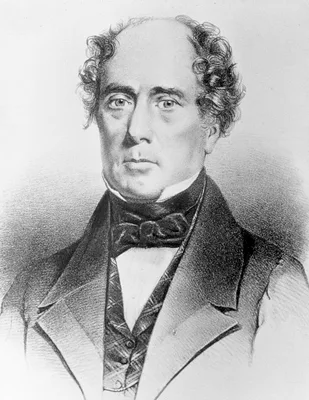
1818 BALLINGALL, Sir George (1780 – 1855)
Practical observations on fever, dysentery and liver complaints as they occur amongst European troops in India. With introductory remarks on the disadvantages of selecting boys for Indian military service.
Ballingall distinguished between amoebic and bacillary dysentery. Digital facsimile from the Internet Archive at this link.
GMN 5182.1 · https://historyofmedicine.com/id/6307
1830 BARDSLEY, Sir James Lomax (1801 – 1876)
Hospital facts and observations.
First record (p. 149) of the use of emetine in the treatment of amoebiasis.
GMN 5183 · https://historyofmedicine.com/id/6310
1849 GROS, G
Fragments d’helminthologie et de physiologie microscopique.
First observations of entozoic amoebae.
GMN 5183.1 · https://historyofmedicine.com/id/6314
1856 JIMÉNEZ, Miguel Francisco (1813 – 1876)
Clinica médica. Abcesos del higado.
Jimenez gave a classic account of liver abscess in amoebiasis.
GMN 5183.2 · https://historyofmedicine.com/id/6317
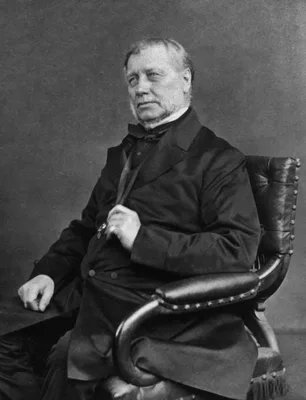
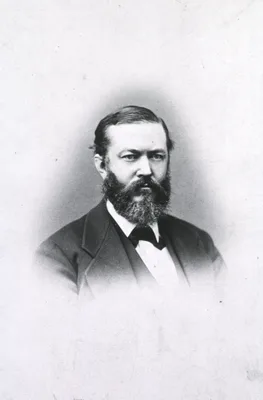
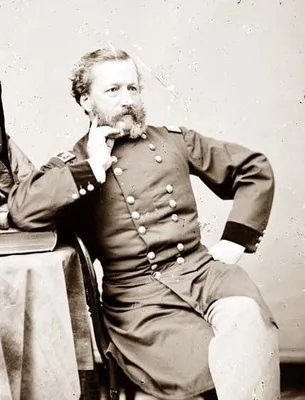
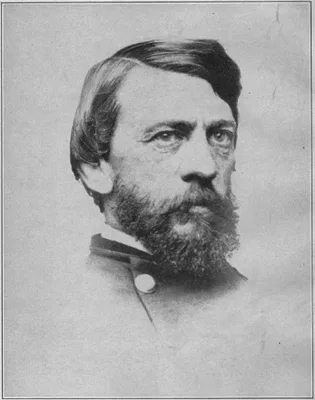
1870 –1888 WOODWARD, Joseph Janvier (1833 – 1884); OTIS, George Alexander (1830 – 1881); HUNTINGTON, David Low (1834 – 1899); BARNES, Joseph K. (1817 – 1883); SMART, Charles (1830 – 1881); LETTERMAN, Jonathan (1824 – 1872)
The medical and surgical history of the War of the Rebellion, 1861-65. 6 vols.
UNITED STATES. War Dept. Surgeon General
Written by Woodward, Smart, Otis, and Huntington under the direction of Joseph K. Barnes, Surgeon General of the Army. This massive, graphically illustrated set has been called the “first comprehensive American medica…
GMN 2171 · https://historyofmedicine.com/id/1174
1875 LÖSCH, Friedrich (1840 – 1903)
Massenhafte Entwickelung von Amöben im Dickdarm.
Lösch discovered Entamoeba histolytica as the infective agent in amoebic dysentery. Before this time distinction between the different forms of dysentery had been made on purely clinical grounds. English translation i…
GMN 5184 · https://historyofmedicine.com/id/6320
1886 KARTULIS, Stephanos (1852 – 1920)
Zur Aetiologie der Dysenterie in Aegypten.
Kartulis discovered amoebae in liver abscess. It was principally through the work of Kartulis that amoebae came to be considered the cause of dysentery in man.
GMN 5186 · https://historyofmedicine.com/id/6327
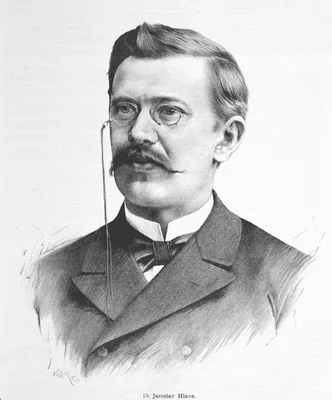
1887 HLAVA, Jaroslav (1855 – 1924)
O úplavici. Předběžné sđělení.
Hlava induced experimental amoebiasis in cats by intrarectal inoculation of stools. In an abstract of this paper Kartulis confused the author’s name with that of the title, a mistake copied by writers for many years; …
GMN 5186.1 · https://historyofmedicine.com/id/6330
1890 –1891 COUNCILMAN, William Thomas (1854 – 1933); LAFLEUR, Henri Amadée (1863 – 1939)
Amoebic dysentery.
These workers introduced the term “amoebic dysentery” in their important investigation of the condition.
GMN 5187 · https://historyofmedicine.com/id/6331
1893 QUINCKE, Heinrich Irenaeus (1842 – 1922); ROOS, Ernst (1866 – )
Ueber Amöben-Enteritis.
Entamoeba histolytica distinguished from Entamoeba coli. English translation in Kean (No. 2268.1).
GMN 5188 · https://historyofmedicine.com/id/6334
1911 VEDDER, Edward Bright (1878 – 1952)
Experiments undertaken to test the efficacy of the ipecac treatment of dysentery.
Vedder demonstrated the amoebicidal action of emetine; his work led to the general adoption of emetine in the treatment of amoebic dysentery.
GMN 5189 · https://historyofmedicine.com/id/6337
1912 ROGERS, Sir Leonard (1868 – 1962)
The rapid cure of amoebic dysentery and hepatitis by hypodermic injections of soluble salts of emetine.
Following up the work of Vedder, Rogers showed that the soluble salts of emetine could be safely injected subcutaneously. The general use of emetine, introduced by Rogers, diminished the incidence of liver abscess – a…
GMN 5190 · https://historyofmedicine.com/id/7047
1913 WALKER, Ernest Linwood (1870 – 1952); SELLARDS, Andrew Watson (1884 – 1941)
Experimental entamoebic dysentery.
Walker and Sellards made important additions to our knowledge of amoebiasis, including the determination of the incubation period and the demonstration that E. tetragena and E. minuta are identical with E. histolytica.
GMN 5191 · https://historyofmedicine.com/id/7052
1919 DOBELL, Clifford (1886 – 1949)
The amoebae living in man; a zoological monograph.
"I have attempted in this monograph to give an accurate and concise account of all the amoebae which live in human beings." Digital facsimile from Biodiversity Heritage Library at this link.
GMN 11486 · https://historyofmedicine.com/id/13685
1921 MÜHLENS, Peter (1874 – 1943); MENK, W
Ueber Behandlungsversuche der chronischen Amoebenruhr mit Yatren.
Introduction of Yatren.
GMN 5192 · https://historyofmedicine.com/id/7057
1923 MARCHOUX, Émile (1862 – 1943)
Le stovarsol guérit rapidement la dysenterie amibienne.
Introduction of stovarsol (oxyaminophenylarsenic acid) in the treatment of amoebiasis.
GMN 5193 · https://historyofmedicine.com/id/7086
1925 BOECK, William Charles (1894 – 1972); DRBOHLAV, Jaroslav (1893 – 1946)
The cultivation of Endamoeba histolytica.
Pure cultivation of Entamoeba histolytica was first accomplished by D. W. Cutler (J. Path. Bact., 1918, 22, 22), but Boeck and Drbohlav evolved the first media upon which amoebae could be cultivated for indefinite per…
GMN 5194 · https://historyofmedicine.com/id/7089
1928 DOBELL, Clifford (1886 – 1949)
Researches on the intestinal protozoa of monkeys and man.
Classic account of the life-cycle of Entamoeba histolytica.
GMN 5194.1 · https://historyofmedicine.com/id/7093
1932 LEAKE, Chauncey Depew (1896 – 1978); REED, Alfred Cummings (1884 – 1951); ET AL
Carbarsone in the treatment of amebiasis.
With H. H. Anderson and N. A. David.
GMN 5194.2 · https://historyofmedicine.com/id/7095