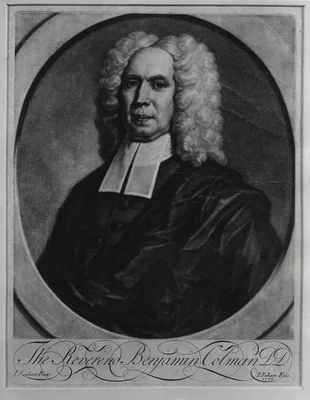
1646 DIEMERBROECK, Ysbrand van (Isbrand) (1609 – 1674)
De peste libri quatuor, truculentissimi morbi historiam ratione et experientiâ confirmatum exhibentes.
English translation, 1722. Digital facsimile of the Amsterdam 1665 edition revised and expanded by the author from Google Books at this link.
GMN 5117 · https://historyofmedicine.com/id/6084
1648 PISO, Willem [Guillaume le Pois] (1611 – 1678); MARGGRAF, Georg (Marcgrave) (1610 – 1644)
Historia naturalis Brasiliae.
Piso's study of the natural history of Brazil was also a pioneer work on tropical medicine, and also the largest work from the standpoint of format published by the Elzeviers. The folio includes De medicina brasiliens…
GMN 2263.1 · https://historyofmedicine.com/id/2828
1656 BADO, Sebastiano [Baldi, Baldo] (1610 – 1676)
Cortex Peruviae redivivus, profligator febrium, assertus ab impugnationibus Melippi Protimi ...
The first book on Peruvian bark or cinchona (chinchona) in the treatment of malaria.
GMN 7620 · https://historyofmedicine.com/id/9792
1658 KIRCHER, Athanasius (1602 – 1680)
Scrutinium physico-medicum contagiosae luis, quae pestis dicitur.
Kircher, a Jesuit scholar and polymath, not specifically trained in medicine, was probably the first to employ the microscope in investigating the cause of disease. He mentioned that the blood of plague patients was f…
GMN 2528.1 · https://historyofmedicine.com/id/3487
1659 WILLIS, Thomas (1621 – 1675)
Diatribae duae medico-philosophicae, quarum prior agit de fermentatione sive de motu intestino particularum in quovis corpore, altera de febribus sive de motu earundum in sanguine animalium.
Includes (De febribus, cap. X, XIV) first description of epidemic typhoid. English translation in his Practice of physick, 1684, Treatise II, 83-98, 1111-18. Contains the earliest suggestion that fermentation is an in…
GMN 2464 · https://historyofmedicine.com/id/6719
1663 BADO, Sebastiano [Baldi, Baldo] (1610 – 1676)
Anastasis corticis Peruviae, seu chinae defensio
A defence of the virtues of Jesuit's bark or Peruvian bark (cinchona, chinchona), the most celebrated specific remedy for malaria. It was obtained from the bark of several species of the genus Cinchona, of the Rubiace…
GMN 1826 · https://historyofmedicine.com/id/7875
1663 CARDANO, Girolamo [Gerolamo; Hieronymus Cardanus] (1501 – 1576)
Opera omnia: Tam hactenus excusa, hîc tamen aucta & emendata, quàm nunquam aliàs visa ac primùm ex auctoris ipsius autographis eruta curâ Caroli Sponii .... 10 vols.
Digital facsimile from the Università degli Studi di Milano at this link.
GMN 9576 · https://historyofmedicine.com/id/11763
1664 LA MARTINIÈRE, Pierre Martin de (1634 – 1690)
Traité de la maladie vénérienne, de ses causes et des accidens provenans du mercure, ou vif-argent.
First to describe gonococcal arthritis.
GMN 4485.1 · https://historyofmedicine.com/id/344
1665 NEEDHAM, Marchamont [NEDHAM] (1620 – 1678)
Medela medicinae.
Needham, a physician better known for his work in journalism, was one of the earliest – if not the first – Englishman to write on the germ theory. In his book he included an account of Kircher’s experiments with the m…
GMN 2529 · https://historyofmedicine.com/id/3491
1665
London’s dreadful visitation, or, a collection of all the Bills of Mortality for the present year: beginning the 27th of December 1664, and ending the 19th of December following…By the Company of Parish Clerks of London.
BILLS OF MORTALITY
This is a valuable statistical record of the great plague of 1665. (No. 6052 in the Bibliotheca Osleriana.)
GMN 5119 · https://historyofmedicine.com/id/8855
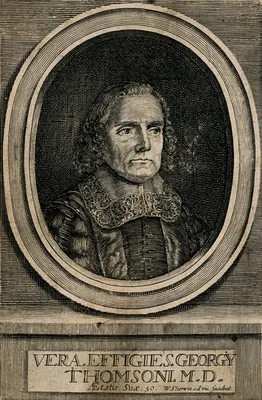
1665 THOMSON, George (1619 – 1676)
Loimologia: A consolatory advice, and some brief observations concerning the present pest.
Thomson was one of the few physicians who remained in London to treat patients during the plague of 1665. Digital facsimile from Google Books at this link.
GMN 13275 · https://historyofmedicine.com/id/15541
1666 THOMSON, George (1619 – 1676)
Loimotomia, or, The pest anatomized in these following particulars, Viz. 1. The material cause of the pest, 2. The efficient cause of the pest, 3. The subject part of the pest, 4. The signs of the pest, 5. An historical account of the dissections of a pestilential body by the author, and the consequences thereof, 6. Reflections and observations on the fore-said dissection, 7. Directions preservative and curative against the pest: Together with the authors apology against the calumnies of the Galenists, and a word to Mr. Nath. Hodges, concerning his late Vindiciae medicinae.
One of the earliest books that illustrated human dissection for a contagious disease. Digital text available from Early English Books Online at this link.
GMN 13276 · https://historyofmedicine.com/id/15542
1667 DU TERTRE, Jean Baptiste (1610 – 1687)
Histoire générale des Antilles habités par les Français. Tom. 1.
Du Tertre, a priest, described (pp. 81, 99, 423) the outbreaks of yellow fever at Guadeloupe in 1635, 1640, and 1648.
GMN 5450 · https://historyofmedicine.com/id/7513
1667 VINCENT, Thomas (1634 – 1678)
Gods terrible voice in the city of London wherein you have the narration of the two late dreadful judgements of plague and fire, inflicted by the Lord upon that city; the former in the year 1665. The latter in the year 1666
This edition of a plague tract by English puritan minister Thomas Vincent was the first medical or biological publication in North America. It was issued by printer Samuel Green, using a press in Cambridge, Massachuse…
GMN 6823 · https://historyofmedicine.com/id/8986
1671 VOLLGNAD, Heinrich (1634 – 1682)
Globus vitulinus.
First authentic report on variolation.
GMN 5405 · https://historyofmedicine.com/id/7253
1672 HODGES, Nathaniel (1629 – 1688)
Λοιμόλόγια sive pestis nuperae apud populum Londinensem grassantis narratio historica.
Best medical record of the Great Plague of 1665. Hodges was physician to the City of London and the medical hero of the great epidemic. English translation by John Quincy, 1720: Loimologia, or, An historical account o…
GMN 5121 · https://historyofmedicine.com/id/6095
1674 –1675 WILLIS, Thomas (1621 – 1675)
Pharmaceutice rationalis sive diatriba de medicamentorum operationibus in humano corpore. 2 vols.
Willis’s last work deals with the anatomy and physiology of the thoracic and abdominal organs, and contains the first description of the superficial lymphatics of the lungs, the first clinical and pathological account…
GMN 3926 · https://historyofmedicine.com/id/5095
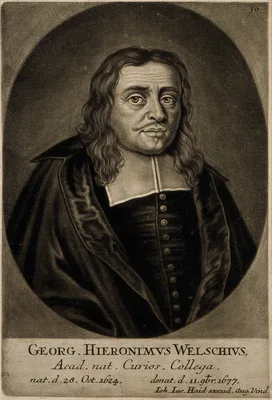
1674 WELSCH, Georg Hieronymous (Velschius) (1624 – 1677)
Exercitatio de vena Medinensi, ad mentem Ebn Sinae [Ibn Sina] sive de dracunaculis veterum. Specimen exhibens novae versionis ex Arabico, cum commentario uberiori. Cui accedit altera, de vermiculis capillaribus infantium.
An exhaustive survey of dracontiasis, or guinea worm disease, based on the Arabic writings of Avicenna. Digital facsimile from Google Books at this link.
GMN 5336.1 · https://historyofmedicine.com/id/6702
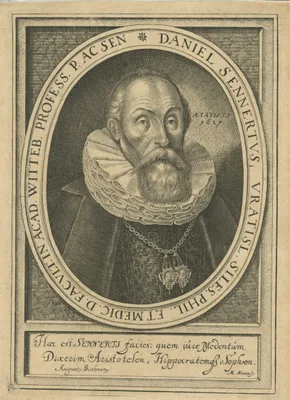
1676 SENNERT, Daniel (1572 – 1637)
Opera. 6 vols.
Besides giving early accounts of scarlatina and rubella, Sennert added to the knowledge of scurvy, dysentery and alcoholism. He was an able clinician and also a believer in witchcraft. His Opera was first published in…
GMN 61 · https://historyofmedicine.com/id/975
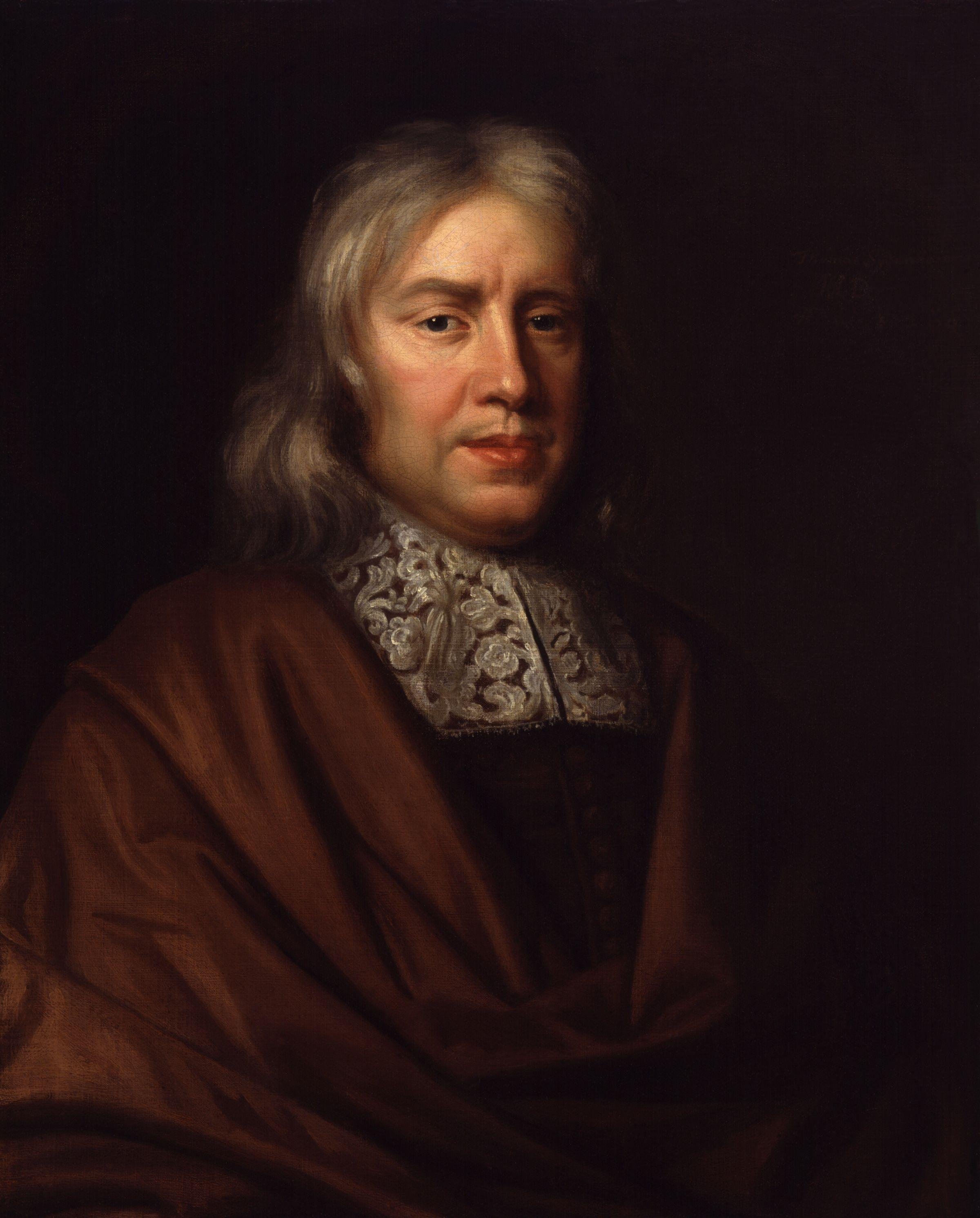
1676 SYDENHAM, Thomas (1624 – 1689)
Observationes medicae circa morborum acutorum historiamet curationem.
Sydenham recorded significant observations on dysentery, scarlet fever (p. 387), scarlatina, measles and other conditions. He stressed the clinical study of medicine and kept careful case records. Includes (pp. 272-80…
GMN 2198 · https://historyofmedicine.com/id/1522
1676 WISEMAN, Richard (1622 – 1676)
Severall chirurgicall treatises.
Wiseman ranks in surgery as high as does Sydenham in medicine. He made many valuable contributions to the subject; he was the first to describe tuberculosis of the joints (“tumor albus”) and he gave a good account of …
GMN 5573 · https://historyofmedicine.com/id/6989
1677 PEYER, Johann Conrad (1653 – 1712)
Exercitatio anatomico-medica de glandulis intestinorum, earumque usu et affectionibus.
Independently of Bartholin and Rudbeck, George Joyliffe (1621-58) observed the lymphatics. He communicated his discovery to Glisson early in 1652 and the latter included an account in the above work (Cap. xxxi). See N…
GMN 1100 · https://historyofmedicine.com/id/1075
1677 THACHER, Thomas (1620 – 1678)
A brief rule to guide the common-people of New-England how to order themselves and theirs in the small pocks, or measels.
The first medical publication of North America and the only one to appear in the 17th century. Only one copy of the original printing of this broadside survived, written by Thacher, a Boston minister. The sheet was re…
GMN 5406 · https://historyofmedicine.com/id/7256
1677 HASEIAH, Laurentius [HASEIAC]
De postrema Melitensi lue praxis historica.
This work, recording the epidemic of plague in Malta in 1675-76, was the first medical work published by a Maltese.
GMN 5122 · https://historyofmedicine.com/id/8856
1679 LE BÖE, Franz de [FRANCISCUS SYLVIUS] (1614 – 1672)
Opera medica.
Tuberculosis was known to the ancients only in its advanced form, and little progress was made in the knowledge of the condition until the time of Sylvius. He asserted that tubercles are often to be found in the lung …
GMN 2321 · https://historyofmedicine.com/id/3015
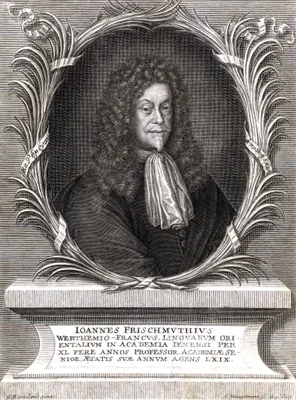
1681 FRISCHMUTH, Johann (1619 – 1687)
Epistola… qua simul de anthrace, carbunculo, bubone et altauna, philologice disseritur.
GMN 5161 · https://historyofmedicine.com/id/6225
1683 MOURÃO, Simão Pinheiro [Morão] (1620 – 1686)
Trattado unico das bexigas, e sarampo, offerecido a D. João de Sousa, composto por Romaõ Mõsia Reinhipo.
One of the first works on medicine practiced in Brazil, published by Mourão under the pseudonym Romaõ Mõsia Reinhipo. Mourão distinguished clearly between smallpox and measles. There was still much confusion in the se…
GMN 8934 · https://historyofmedicine.com/id/11112
1684 ABERCROMBY, David (1621 – 1695)
Tuta, ac efficax luis venereae, saepe absque mercurio, ac semper absque salivatione mercuriali curando methodus.
Abercromby advanced the idea that syphilis was caused by a parasite, and promoted mercury as a treatment. Digital facsimile from Google Books at this link.
GMN 2375 · https://historyofmedicine.com/id/3250
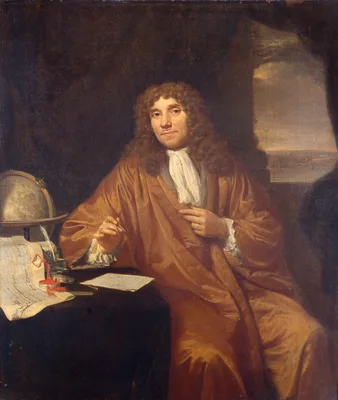
1684 LEEUWENHOEK, Antonie van (1632 – 1723)
An abstract of a letter…Sep. 17, 1683. Containing some microscopical observations, about animals in the scurf of the teeth.
Records discovery of bacteria in the mouth, with the first illustrations of the basic types – what were much later called cocci (round or oval), bacilli (rod-shaped) and spiriillum (spiral) forms. Although Leeuwenhoek…
GMN 2464.1 · https://historyofmedicine.com/id/5444
1684 WILLIS, Thomas (1621 – 1675); PORDAGE, Samuel (1633 – 1691)
Dr. Willis's practice of physick.
The only complete edition of Willis's works in English, translated by the poet Samuel Pordage. It contains the translations of all his works except his Affectionum quae dicuntur hystericae (1671). The collection inclu…
GMN 1311 · https://historyofmedicine.com/id/10280
1685 COBER, Tobias (1625 – )
Observationum medicarum Castrensium Hungaricarum.
Pp. 49-51: Cober, a German physician, reported the relationship between typhus and pediculosis.
GMN 5373 · https://historyofmedicine.com/id/7020
1685 SYDENHAM, Thomas (1624 – 1689)
Observationes medicae circa morborum acutorum historiam et curationem. Ed. quarta.
Contains (Book 3, Cap. 2; Book 5, Cap. 4) an important account of smallpox, particularly the epidemics of 1667-69 and 1674-75. Sydenham attributed smallpox to a specific inflammation of the blood; he clearly distingui…
GMN 5407 · https://historyofmedicine.com/id/7260
1688 HELVÉTIUS, Jean-Adrien (1661 – 1727)
Remèdes contre les cours de ventre.
"The remedy here treated of is ipecacuanha: although its antidysenteric virtues had previously been made known in 1649 by the writings of Piso and Marggraf [No. 2263.1] it was left to Helvetius, about forty years subs…
GMN 7955 · https://historyofmedicine.com/id/10130
1694 ROSA, João Ferreira da (Ferreyra da Rosa)
Trattado unico da constituiçam pestilencial de Pernambuco, offerecido a ElRey N.S. por ser servido ordenar por seu Governador aos Medicos da America, que assistem aonde ha este contagio, que o compusessem para se conferirem pelos Coripheos da Medicina aos dictames com que he trattada esta pestilencial febre.
The first scientific description of yellow fever in Brazil by the first European physician to treat the disease in Brazil, and perhaps in all of Latin America. It includes the description of the first autopsy of a yel…
GMN 8930 · https://historyofmedicine.com/id/11108
1694 ARRIETA, Filippo de
Raguaglio historico del contaggio occorso nella provincia di Bari negli anni 1690, 1691 e 1692.
Arrieta published two very early disease maps in this work showing locations of plague in the province of Bari, Italy, and his employment of troops to isolate those areas. Digital facsimile from the Internet Archive a…
GMN 10455 · https://historyofmedicine.com/id/12648
1698 VALENTINI, Michael Bernhard (1657 – 1729)
De ipecacuanha novo Gallorum antidysenterico. Resp. C[hristophe] F[riedrich] Kneussel.
There is evidence that amoebic dysentery was known to Hippocrates. The history of treatment begins with the use of ipecacuanha, the dried root of Cephaelis ipecacuanha, a plant from Brazil. This was first mentioned as…
GMN 5181 · https://historyofmedicine.com/id/6300
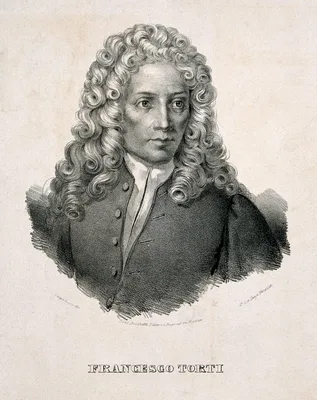
1712 TORTI, Francesco (1658 – 1741)
Therapeutice specialis ad febres quasdam pemiciosas, inopinato, ac repente lethales, una vera china china, peculiare methodo ministrata, sanabiles
Torti’s work finally established the specific nature of cinchona bark. His demonstration of its effectiveness in periodic over continuous fevers finally overthrew the doctrine of the common origin of all fevers. He is…
GMN 5231 · https://historyofmedicine.com/id/7866
1714 COGROSSI, Carlo Francesco (1682 – 1769)
Nuovo idea del male contagioso de’ buoi.
In this study of an epizootic Cogrossi formulated much of the modern theory of infection. He speculated that infection might occur at the microscopic level, and argued that infected individuals should be isolated and …
GMN 2529.2 · https://historyofmedicine.com/id/3502
1714 –1716 TIMONI, Emmanuel (1670 – 1718)
An account, or history, of the procuring of the smallpox by incision or inoculation, as it has for some time been practised at Constantinople.
A letter dated December, 1713 from Timoni of Constantinople to John Woodward, and read to the Royal Society in May, 1714, described the practice in that city of inoculation against smallpox. The letter aroused interes…
GMN 5409 · https://historyofmedicine.com/id/7263
1714 –1716 PILARINO, Giacomo [PYLARINI] (1659 – 1718)
Nova & tuta variolas excitandi per transplantationem methodus, nuper inventa & in usum tracta.
This reprint of No. 5409.1 appeared in the same volume as Timoni’s paper. Both were republished in Latin: Tractatus bini de nova variolas per transplantationem excitandi methodo, Leyden, 1721. Digital facsimile of 172…
GMN 5410 · https://historyofmedicine.com/id/7305
1715 PILARINO, Giacomo [PYLARINI] (1659 – 1718)
Nova et tuta variolas excitandi per transplantationem methodus; nuper inventa & in usum tracta: Qua rite peracta, immunia in posterum praeservantur ab huiusmodi contagio corpora.
Inoculation was practiced in ancient times. In 1701 Pilarino inoculated three children at Constantinople with smallpox virus. He is credited with the “medical” discovery of variolation, and is thus the first immunolog…
GMN 5409.1 · https://historyofmedicine.com/id/7266
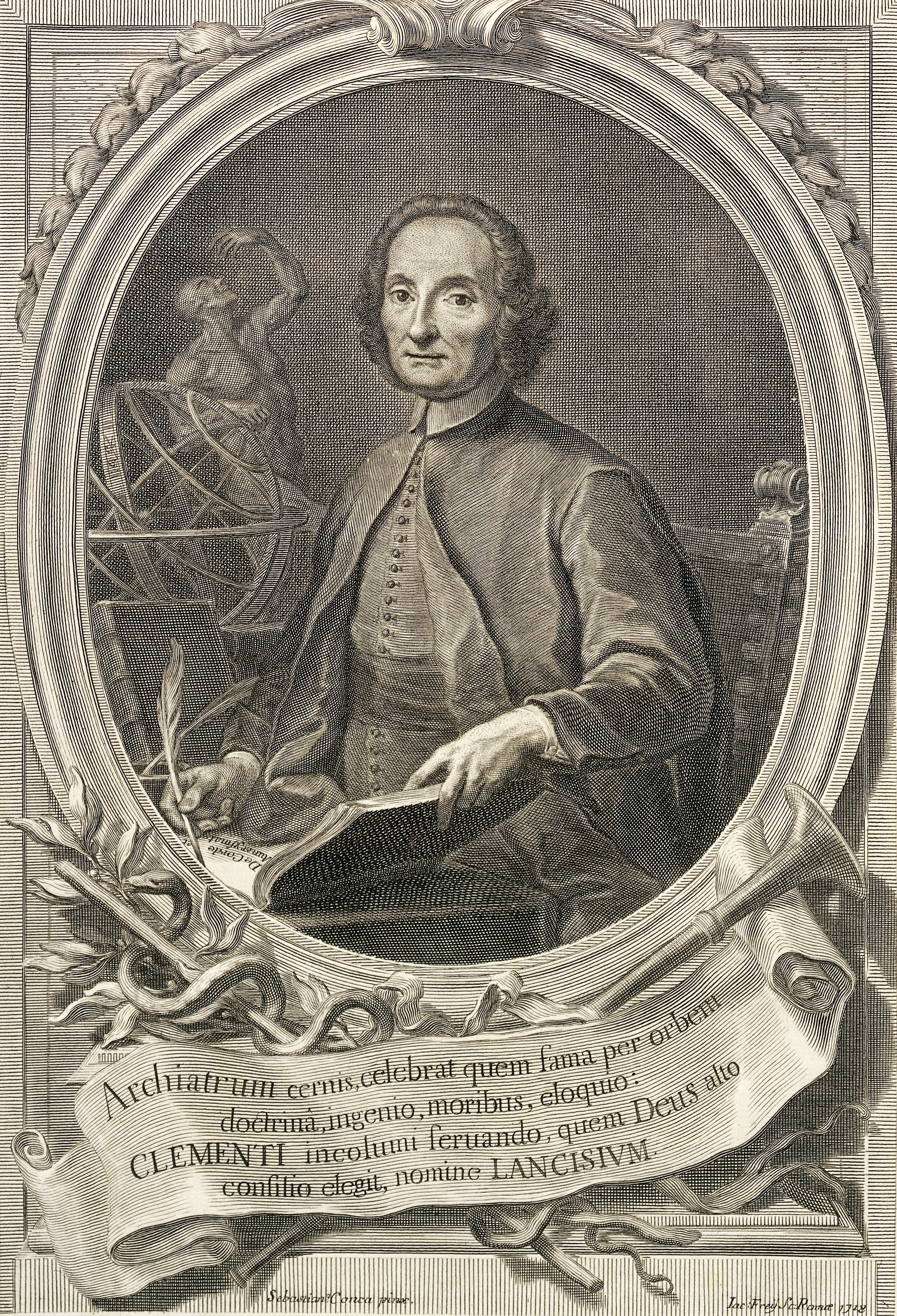
1717 LANCISI, Giovanni Maria (1654 – 1720)
De noxiis paludum effluviis, eorumque remediis.
Lancisi suggested that since malaria disappears after drainage it was due to some sort of poison emanating from marshes and possibly transmitted by mosquitoes. He planned a drainage scheme for marshy regions. His work…
GMN 5232 · https://historyofmedicine.com/id/7877
1717 TURNER, Daniel (1667 – 1742)
Syphilis: A practical dissertation on the venereal disease. In which, after a short account of its nature and original; the diagnostick and prognostick signs, with the best ways of curing the several degrees of that distemper, together with some historical observations relating to the same, are candidly and without reserve, communicated. In two parts.
The first work published in English to include the word syphilis, and also the first English work to include the word condom. Digital facsimile from the Internet Archive at this link.
GMN 10530 · https://historyofmedicine.com/id/12723
1720 MARTEN, Benjamin (1690 – 1750)
A new theory of consumptions : more especially of a phthisis, or consumption of the lungs.
Marten believed that an infectious micro-organism was the cause of tuberculosis, thus forecasting the existence of the tubercle bacillus 162 years before its actual discovery. Though Leeuwenhoek reported seeing bacter…
GMN 3217 · https://historyofmedicine.com/id/4394
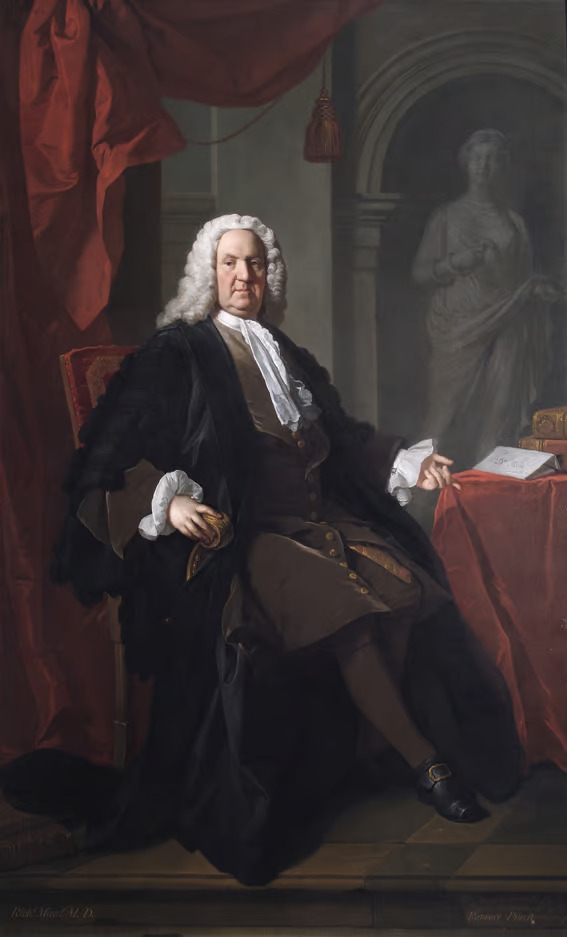
1720 MEAD, Richard (1673 – 1754)
A short discourse concerning pestilential contagion, and the methods to be used to prevent it.
In 1719 Mead was asked for advice concerning an outbreak of plague in Marseilles, and replied with the above tract of 59 pages, which has been called the first epidemiological report produced by a physician at the com…
GMN 5123 · https://historyofmedicine.com/id/6107
1721 BOYLSTON, Zabdiel (1679 – 1766)
Some account of what is said of inoculating or transplanting the small pox by the learned Dr. Emmanuel Timonius, and Jacobus Pylarinus. With some remarks theron. To which are added, a few queries in answer to the scruples of many about the lawfulness of this method.
An abridgement of Nos. 5409 & 5410 together with Boylston’s remarks. From internal evidence this 24-page pamphlet would appear to be the first North American publication on inoculation. See No. 5415. Digital facsimile…
GMN 5410.1 · https://historyofmedicine.com/id/7308
1721 COLMAN, Benjamin (1673 – 1747)
Some observations on the new method of receiving the smallpox by ingrafting or inoculating.
This work offers general support for the practice of Zabdiel Boylston, detailing some of Boylston’s cases, including accounts of occasions when patients died. Reprinted with additional material by Daniel Neal, as A na…
GMN 5411 · https://historyofmedicine.com/id/7309
1721 BECKETT, William
A Collection of Very Valuable and Scarce Pieces relating to the last Plague in the year 1665. viz. I. Orders drawn up and published by the Lord Mayor and Aldermen of the City of London to prevent the spreading of the infection. II. An account of the first rise, progress, symptoms and cure of the Plague, being the substance of a letter from Doctor Hodges to a person of quality. III. Necessary directions for the prevention for cure of the plague, with divers remedies of small charge by the College of Physicians. IV. Reflections on the Weekly Bills of Mortality, so far as they relate to all the plagues which have happend in London from the year 1592 to the Great Plague in 1665, and some other particular diseases. With a preface shewing the usefulness of this collection: some errors of Dr. Mead, and his misrepresentations of Dr. Hodges and some authors. To which is added An Account of the plague at Naples in 1656, etc. [Compiled by William Beckett.].
Attributed to William Beckett by OCLC. Digital facsimile of the 1721 second edition from the Internet Archive at this link.
GMN 9521 · https://historyofmedicine.com/id/11707
1721 GAUDEREAU, Martin (1663 – 1743)
Relation des différentes espèces de peste qui reconnaissent les orientaux, des précautions & des remèdes qu'ils prennent pour empêcher la communication & le progrès; et ce que nous devons faire à leur exemple pour nous en préserver, & nous en guérir.
Gaudereau worked as a missionary in Turkey, Armenia, Persia, and India, facing plague outbreaks several times. In Turkey he almost succumbed to the plague, himself, but was cured using local remedies. These remedies a…
GMN 10651 · https://historyofmedicine.com/id/12844
1722 DOUGLASS, William (1691 – 1752)
Inoculation of the smallpox as practised in Boston.
GMN 5412 · https://historyofmedicine.com/id/7312

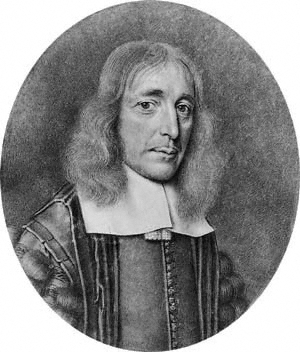
![CARDANO, Girolamo [Gerolamo; Hieronymus Cardanus] (1501 – 1576)](/media/portraits/7679)