1658 PISO, Willem [Guillaume le Pois] (1611 – 1678); BONDT, Jacob de [Jacobus Bontius] (1592 – 1631)
De Indiae utriusque re naturali et medica libri quatuordecim.
This is an extensively revised and enlarged second edition of Piso’s Historia naturalis Brasiliae (1648). In this edition Piso reprinted Bontius's De medicina Indorum (1642) with two additional books on Asian flora an…
GMN 1825 · https://historyofmedicine.com/id/2125
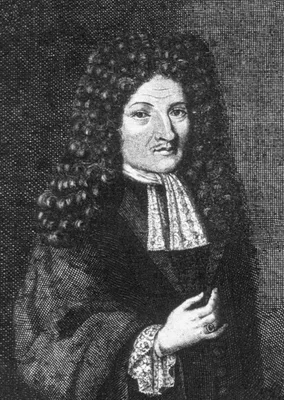
1688 HELVÉTIUS, Jean-Adrien (1661 – 1727)
Remèdes contre les cours de ventre.
"The remedy here treated of is ipecacuanha: although its antidysenteric virtues had previously been made known in 1649 by the writings of Piso and Marggraf [No. 2263.1] it was left to Helvetius, about forty years subs…
GMN 7955 · https://historyofmedicine.com/id/10130
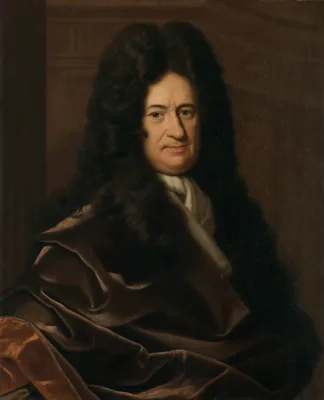
1696 LEIBNIZ, Gottfried Wilhelm (1646 – 1716)
G[othofredi]. G[uillelmi]. L[eibnitii]. Relatio ad inclytam Societatem Leopoldinam Naturae Curiosorum, de novo antidysenterico Americano magnis successibus comprobato.
This study of the ipecacuanha root and its effects as a emetic, nauseant, expectorant and dispahoretic, Leibniz issued on what he called "the new American antidysentery drug" after reading about the root in Piso and M…
GMN 14002 · https://historyofmedicine.com/id/16307
1698 VALENTINI, Michael Bernhard (1657 – 1729)
De ipecacuanha novo Gallorum antidysenterico. Resp. C[hristophe] F[riedrich] Kneussel.
There is evidence that amoebic dysentery was known to Hippocrates. The history of treatment begins with the use of ipecacuanha, the dried root of Cephaelis ipecacuanha, a plant from Brazil. This was first mentioned as…
GMN 5181 · https://historyofmedicine.com/id/6300
1809 MAGENDIE, François (1783 – 1855)
Examen de l'action de quelques végétaux sur la moelle épinière. Lu a l'Institut, le vingt-quatre avril 1809.
In 1809 Magendie presented to the Académie des Sciences and to the Société Philomatique the results of his first experimental work, which he carried out in collaboration with the botanist and physician Alire Raffeneau…
GMN 9578 · https://historyofmedicine.com/id/11765
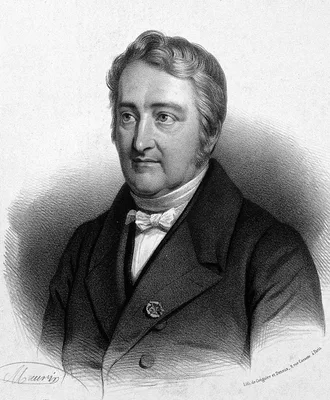
1817 MAGENDIE, François (1783 – 1855); PELLETIER, Pierre Joseph (1788 – 1842)
Mémoire sur l’émétine, et sur les trois espèces d’ipecacuanha.
Isolation of emetine. It was not until a century later that Vedder demonstrated its value in the treatment of amoebiasis. Also during 1817 Magendie and Pelletier published "Recherches chimiques et physiologiques sur l…
GMN 1843 · https://historyofmedicine.com/id/6304
1894 –1895 PAUL, Benjamin Horatio (1828 – 1902); COWNLEY, Alfred John
The chemistry of ipecacuanha.
Emetine first obtained in pure form.
GMN 1887 · https://historyofmedicine.com/id/2500