1763 STONE, Edward (1702 – 1768)
An account of the success of the bark of the willow in the cure of agues.
Stone, a vicar from Chipping Norton, Oxfordshire, discovered that the bark of the willow tree (active ingredient: salicylic acid) was effective in reducing a fever. This was the first report in the scientific literatu…
GMN 6970 · https://historyofmedicine.com/id/9135
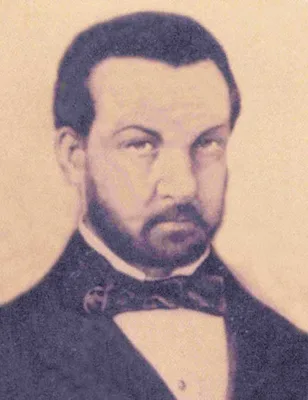
1839 PIRIA, Raffaele (1815 – 1865)
Recherches sur la salicine et les produits qui en dérivent.
Piria made salicylic acid from salicin.
GMN 1857 · https://historyofmedicine.com/id/2377
1852 GERLAND, Henri
New formation of salicylic acid.
Synthesis of salicylic acid.
GMN 1861.1 · https://historyofmedicine.com/id/2397
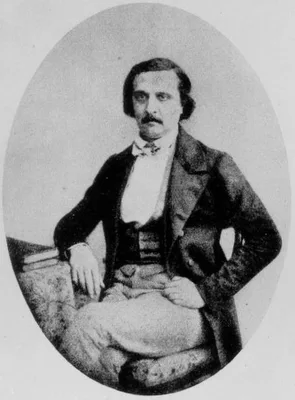
1853 GERHARDT, Charles Frédéric (1816 – 1856)
Untersuchungen über die wasserfreien organischen Säuren.
In 1853 French chemist Gerhardt was the first to prepare acetylsalicylic acid (marketed by Bayer as asprin in 1899). Gerhardt called the compound he obtained "salicylic-acetic anhydride" (wasserfreie Salicylsäure-Essi…
GMN 6971 · https://historyofmedicine.com/id/9136
1875 BUSS, Carl Emil (1849 – 1878)
Ueber die Anwendung der Salicy Isäure als Antipyreticum.
Buss introduced the clinical use of salicylic acid as an antipyretic.
GMN 1869.2 · https://historyofmedicine.com/id/2463
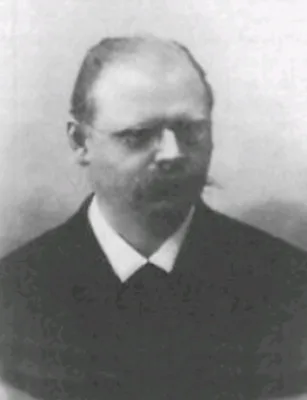
1899 DRESER, Heinrich (1860 – 1925)
Pharmakologisches über Aspirin (Acetylsalicylsäure).
Acetylsalicylic acid (aspirin) introduced into medicine.
GMN 1891 · https://historyofmedicine.com/id/2520
1926 HANZLIK, Paul John (1885 – 1951)
Actions and uses of the salicylates and cinchophen in medicine.
Republished in book form, Baltimore, 1927.
GMN 1914 · https://historyofmedicine.com/id/2680
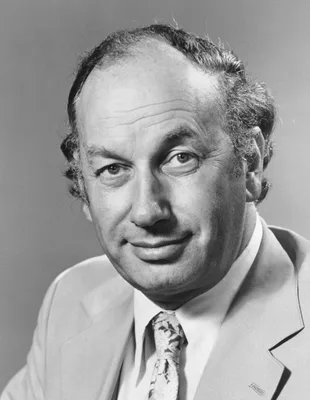
1971 VANE, Sir John Robert (1927 – 2004)
Inhibition of prostaglandin synthesis as a mechanism of action for aspirin-like drugs.
In 1982 Vane shared the Nobel Prize in Physiology or Medicine with Sune Bergström and Bengt Samuelsson for "their discoveries concerning prostaglandins and related biologically active substances."
GMN 13958 · https://historyofmedicine.com/id/16259