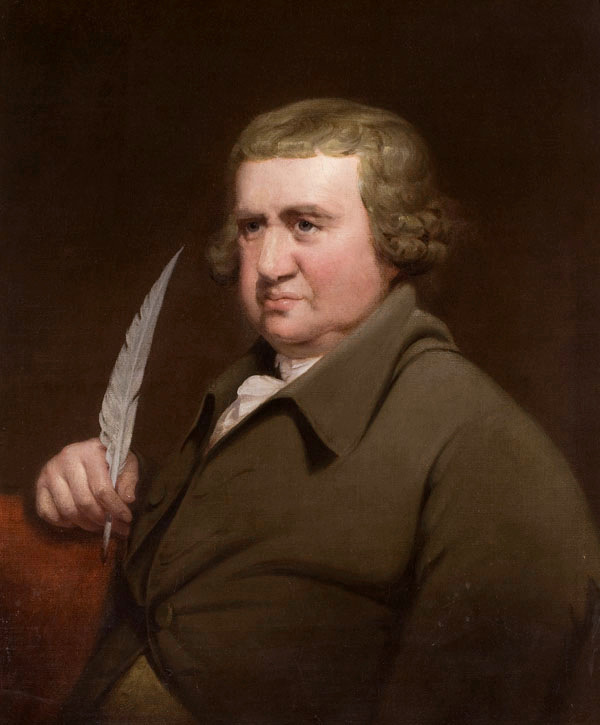
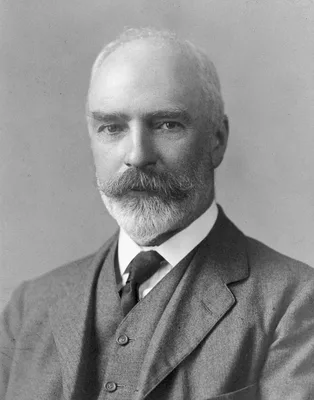
1780 DARWIN, Erasmus (1731 – 1802)
Experiments establishing a criterion between mucaginous and purulent matter. An an account of the retrograde motions of the absorbent vessels of animal bodies in some diseases.
Includes the first description of the value of digitalis in the treatment of patients with heart failure, with discussion of several successful cases. Digital facsimile from Google Books at this link. Darwin and Withe…
GMN 8589 · https://historyofmedicine.com/id/10766
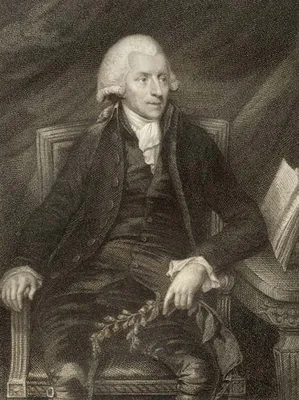
1785 WITHERING, William (1741 – 1799)
An account of the foxglove, and some of its medical uses.
Before publication of Withering's book digitalis was a widely used folk remedy, occasionally mentioned in the literature. Withering established the correct dosages, and the action of digitalis in edema and on the hear…
GMN 1836 · https://historyofmedicine.com/id/8650
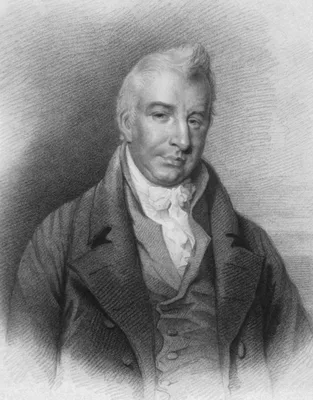
1799 FERRIAR, John (1761 – 1815)
An essay on the medical properties of the digitalis purpurea or foxglove.
"John Ferriar...published the first monograph on digitalis after William Withering (1785). Ferriar was the first to suggest that digitalis was beneficial in dropsy (severe congestive heart failure), in part because it…
GMN 11592 · https://historyofmedicine.com/id/13791
1822 WITHERING, William (1741 – 1799)
The miscellaneous tracts of the late William Withering. To which is prefixed a memoir of his life, character and writings. 2 vols.
Withering's collected works, with the exception of his A botanical arrangement of all the the vegetables naturally growing in the Great Britain. Includes the second edition of his monograph on the foxglove. Digital fa…
GMN 11738 · https://historyofmedicine.com/id/13939
1845 HOMOLLE, Augustin Eugène (1808 – 1875)
Mémoire sur la digitale pourprée.
Isolation of an active principle in digitalis, amorphous digitalin, more potent than the plant itself.
GMN 1860 · https://historyofmedicine.com/id/2390
1875 SCHMIEDEBERG, Johann Ernst Oswald (1838 – 1921)
Untersuchungen über die pharmakologisch wirksamen Bestandtheile der Digitalis purpurea
Schmiedeberg isolated digitoxin from digitalis.
GMN 1869.1 · https://historyofmedicine.com/id/2460
1904 CLOËTTA, Max (1868 – 1940)
Ueber Digalen (Digitoxinum solubile).
Introduction of digalen.
GMN 1893.1 · https://historyofmedicine.com/id/2535
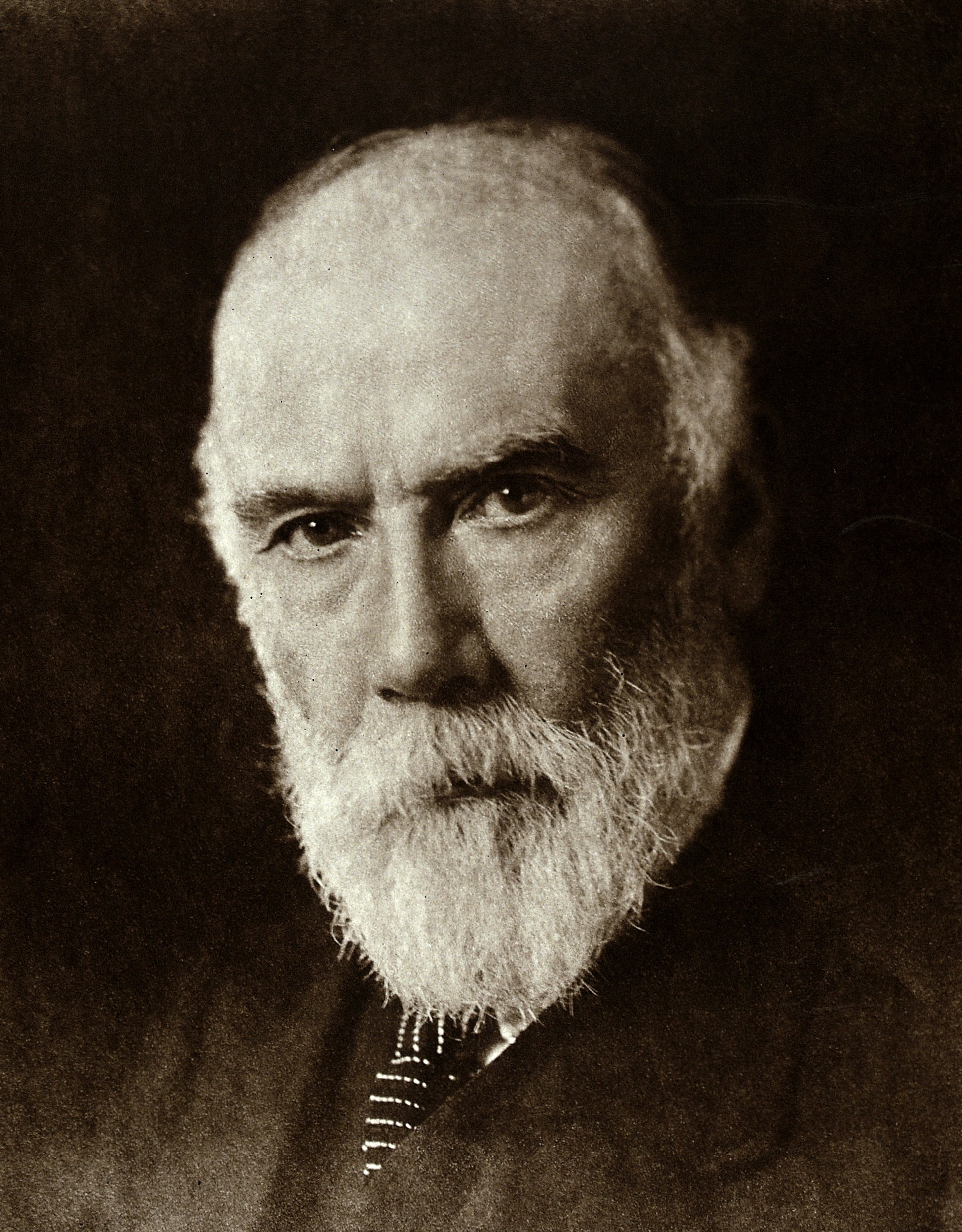
1905 MACKENZIE, Sir James (1853 – 1925)
New methods of studying affections of the heart.
Mackenzie established the remarkable action of digitalis in auricular fibrillation.
GMN 2819 · https://historyofmedicine.com/id/3501
1916 STRAUB, Walter (1874 – 1944)
Digitaliswirkung am isolierten Vorhof des Frosches.
An important analysis of the action of digitalis on the isolated heart.
GMN 1904 · https://historyofmedicine.com/id/2654
1925 CUSHNY, Arthur Robertson (1866 – 1926)
The action and uses in medicine of digitalis and its allies.
GMN 1912 · https://historyofmedicine.com/id/2675
1930 SMITH, Sydney
Digoxin, a new digitalis glucoside.
Isolation of digoxin from Digitalis lanata.
GMN 1920 · https://historyofmedicine.com/id/2693
1985 WITHERING, William (1741 – 1799); ARONSON, Jeffrey Kenneth (1947 – )
An account of the foxglove and its medical uses 1785-1985.
This work consists of a reproduction of Withering's classic text published in 1785, extensively annotated by Aronson, followed by Aronson's history of "the use of the digitalis glycosides and related compounds over th…
GMN 9233 · https://historyofmedicine.com/id/11415