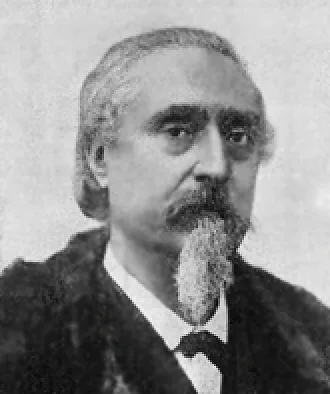
1855 GAEDCKE, Friedrich Georg Carl (1828 – 1890)
Ueber das Erythroxylin, dargestellt aus den Blättern des in Südamerika cultivirten Strauches Erythroxylon Coca Lam.
Gaedcke, a chemist and pharmacologist, was the first to isolate the cocaine aklaloid.
GMN 13002 · https://historyofmedicine.com/id/15251
1859 MANTEGAZZA, Paolo (1831 – 1910)
Sulle virtù igieniche e medicinali della coca e sugli alimenti nervosi in generale.
After a four-year stay in South America Mantegazza published this report on medical observations on the use of Erythroxylon coca leaves of the populations in the places where he stayed and practiced. He reported that,…
GMN 12501 · https://historyofmedicine.com/id/14734
1860 NIEMANN, Albert (1834 – 1861)
Ueber eine neue organische Base in den Cocablättern.
Isolation of cocaine, 1859, from the coca leaf, brought from Peru by Scherzer.
GMN 1865 · https://historyofmedicine.com/id/2423
1868 MORÉNO Y MÄIZ, Tomás
Recherches chimiques et physiologiques sur l’erythroxylum coca du Pérou et la cocaïne.
The author, formerly a surgeon in the Peruvian army, issued the first study of the pharmacological action of cocaine, containing the earliest suggestion of its use as a local anesthetic. Leclerc issued the commercial …
GMN 1868 · https://historyofmedicine.com/id/2451
1880 ANREP, Vasili Konstantinovich (1852 – 1927)
Ueber die physiologische Wirking des Cocaïn.
Anrep studied the action of cocaine and, like Moréno y Maïz, suggested that it might be used as a local anesthetic.
GMN 1871 · https://historyofmedicine.com/id/2470
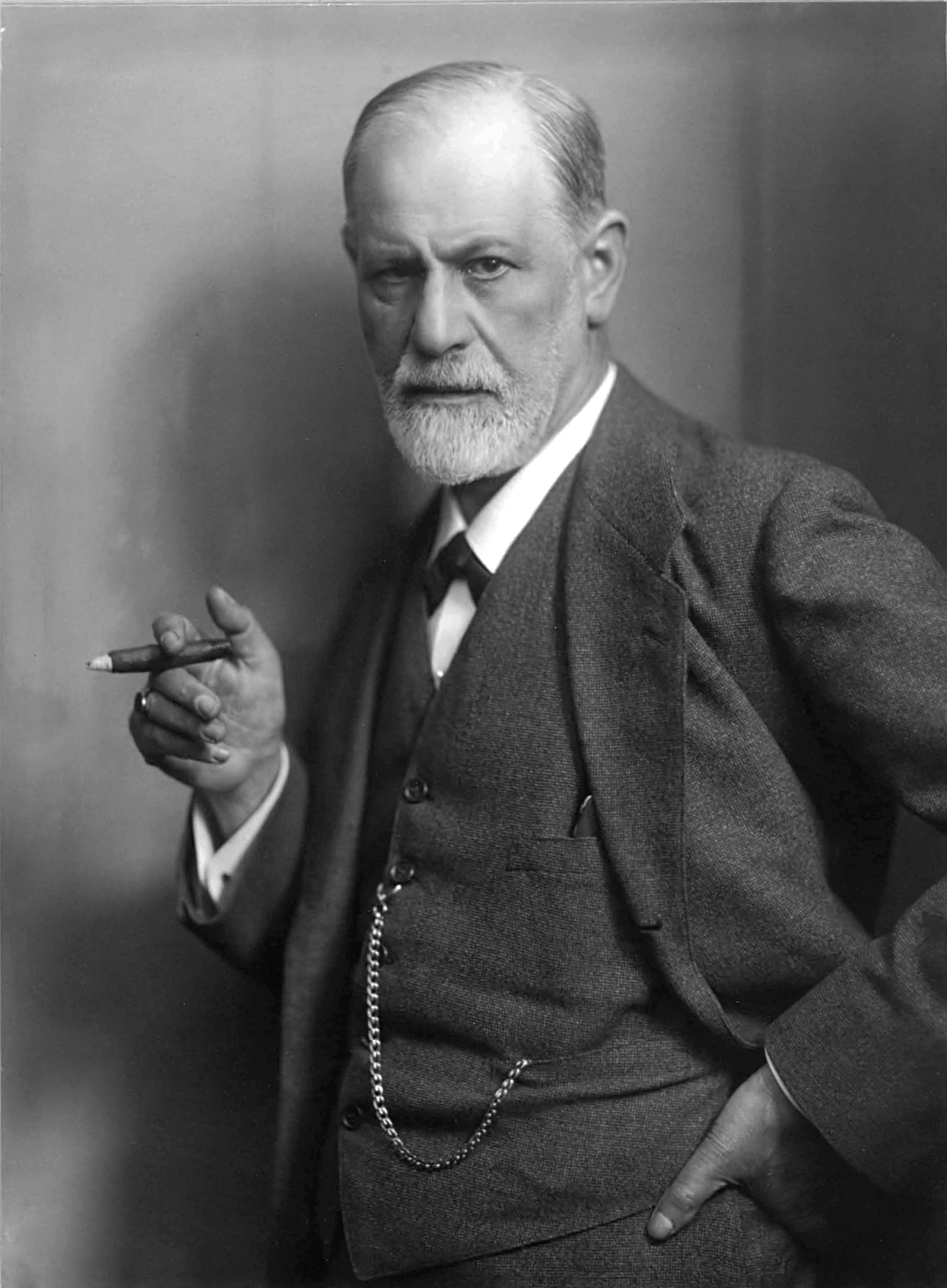
1884 FREUD, Sigmund (1856 – 1939)
Ueber coca.
Freud described his observations (with himself as subject) on the effects of cocaine, including its abolition of hunger and fatigue, the “exhilaration and lasting euphoria”. He also described its supposed non-addictiv…
GMN 1880.1 · https://historyofmedicine.com/id/2515
1900 RUSBY, Henry Hurd (1855 – 1940)
The botanical origin of coca leaves.
GMN 11891 · https://historyofmedicine.com/id/14096
1901 MORTIMER, William Golden (1854 – 1933)
Peru: The history of coca, “the divine plant of the Incas”.
The most comprehensive work on the coca plant and the history of its use by the Incas and their descendants. Reprinted, San Francisco, And/Or Press, 1974.
GMN 2040.1 · https://historyofmedicine.com/id/2212
1994 GAGLIANO, Joseph
Coca prohibition in Peru: The historical debates.
Traces the arguments of the participants in the coca debates in Peru during the last four centuries. Gagliano surveys the role of the leaf in Peru's socio-political history, focusing on coca usage as a source of contr…
GMN 11889 · https://historyofmedicine.com/id/14094
1998 KARCH, Steven B.
A brief history of cocaine.
Second edition, 2006.
GMN 11743 · https://historyofmedicine.com/id/13943
1999 GOOTENBERG, Paul Eliot (1954 – )
Cocaine: Global histories.
GMN 9034 · https://historyofmedicine.com/id/11213
2003 KARCH, Steven B.
A history of cocaine: The mystery of coca Java and the Kew plant.
This work is not actually a "history", rather it contains translations, with commentary, of three late nineteenth and early twentieth century treatises on coca and cocaine, plus other documents. "An exploration of the…
GMN 11744 · https://historyofmedicine.com/id/13944
2008 GOOTENBERG, Paul Eliot (1954 – )
Cocaine: Global drug.
Traces cocaine's history from its origins as a medical commodity in the nineteenth century to its repression during the early twentieth century and its dramatic reemergence as an illicit good after World War II. Conne…
GMN 9035 · https://historyofmedicine.com/id/11214
2011 MARKEL, Howard (1960 – )
An anatomy of addiction: Sigmund Freud, William Halsted and the miracle drug, cocaine.
GMN 8709 · https://historyofmedicine.com/id/10887