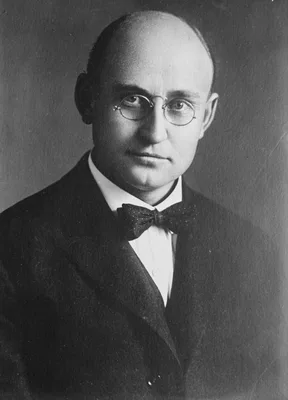
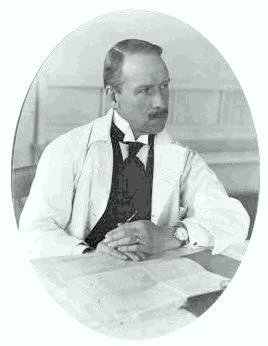
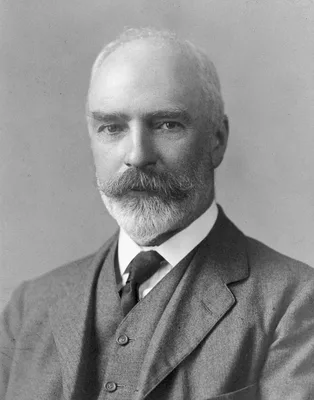
1852 GERLAND, Henri
New formation of salicylic acid.
Synthesis of salicylic acid.
GMN 1861.1 · https://historyofmedicine.com/id/2397
1853 GERHARDT, Charles Frédéric (1816 – 1856)
Untersuchungen über die wasserfreien organischen Säuren.
In 1853 French chemist Gerhardt was the first to prepare acetylsalicylic acid (marketed by Bayer as asprin in 1899). Gerhardt called the compound he obtained "salicylic-acetic anhydride" (wasserfreie Salicylsäure-Essi…
GMN 6971 · https://historyofmedicine.com/id/9136
1854 MOUAT, Frederic John (1816 – 1897)
Notes on native remedies. No. 1. The chaulmoogra.
Chaulmoogra oil was first introduced into Western medicine by Mouat, having been used for many centuries previously by the Chinese
GMN 2435 · https://historyofmedicine.com/id/2897
1854 LIZARS, John (1794 – 1860)
Practical observations on the use and abuse of tobacco. Greatly enlarged from the original communication on the effects of tobacco smoking, which appeared in Medical Times and Gazette, August 5, 1854.
Lizars was one of the first to recognize the addictive nature of tobacco and its potential damage to health. Digital facsimile of the 6th edition (1857) from wellcomecollection.org at this link.
GMN 13504 · https://historyofmedicine.com/id/15779
1855 GAEDCKE, Friedrich Georg Carl (1828 – 1890)
Ueber das Erythroxylin, dargestellt aus den Blättern des in Südamerika cultivirten Strauches Erythroxylon Coca Lam.
Gaedcke, a chemist and pharmacologist, was the first to isolate the cocaine aklaloid.
GMN 13002 · https://historyofmedicine.com/id/15251
1859 MANTEGAZZA, Paolo (1831 – 1910)
Sulle virtù igieniche e medicinali della coca e sugli alimenti nervosi in generale.
After a four-year stay in South America Mantegazza published this report on medical observations on the use of Erythroxylon coca leaves of the populations in the places where he stayed and practiced. He reported that,…
GMN 12501 · https://historyofmedicine.com/id/14734
1860 NIEMANN, Albert (1834 – 1861)
Ueber eine neue organische Base in den Cocablättern.
Isolation of cocaine, 1859, from the coca leaf, brought from Peru by Scherzer.
GMN 1865 · https://historyofmedicine.com/id/2423
1862 MUSSEY, Reuben Dimond (1780 – 1866)
Health: Its friends and foes.
This work, which promoted vegetarianism and abstinence from tobacco along with other hygiene and overall health advice, was written as the author stated in his preface, "to meet the comprehension of the general reader…
GMN 11311 · https://historyofmedicine.com/id/13509
1867 FRASER, Sir Thomas Richard (1841 – 1919)
On the physiological action of the Calabar bean (Physostigma venenosum, Balf).
Isolation of eserine (physostigmine).
GMN 1866.1 · https://historyofmedicine.com/id/2439
1868 MORÉNO Y MÄIZ, Tomás
Recherches chimiques et physiologiques sur l’erythroxylum coca du Pérou et la cocaïne.
The author, formerly a surgeon in the Peruvian army, issued the first study of the pharmacological action of cocaine, containing the earliest suggestion of its use as a local anesthetic. Leclerc issued the commercial …
GMN 1868 · https://historyofmedicine.com/id/2451
1870 TRIANA SILVA, José Jerónimo (1828 – 1890); MUTIS, José Celestino (1732 – 1808)
Nouvelles études sur les quinquinas, d'après les matériaux présentés en 1867 à l'Exposition universelle de Paris et accompagnées de facsimilé des dessins de la quinologie de Mutis, suivis de remarques sur la culture de quinquinas.
Digital facsimile from Biodiversity Heritage Library at this link.
GMN 13675 · https://historyofmedicine.com/id/15957
1874 WRIGHT, Charles Romley Alder (1844 – 1894)
On the action of organic acids and their anydrides on the natural alkaloïds. Part I.
In quest of a non-addictive alternative to morphine, Wright experimented with combining morphine with various acids. He boiled anhydrous morphine alkaloid with acetic anhydride over a stove for several hours and produ…
GMN 11087 · https://historyofmedicine.com/id/13283
1875 SCHMIEDEBERG, Johann Ernst Oswald (1838 – 1921)
Untersuchungen über die pharmakologisch wirksamen Bestandtheile der Digitalis purpurea
Schmiedeberg isolated digitoxin from digitalis.
GMN 1869.1 · https://historyofmedicine.com/id/2460
1875 BUSS, Carl Emil (1849 – 1878)
Ueber die Anwendung der Salicy Isäure als Antipyreticum.
Buss introduced the clinical use of salicylic acid as an antipyretic.
GMN 1869.2 · https://historyofmedicine.com/id/2463
1880 ANREP, Vasili Konstantinovich (1852 – 1927)
Ueber die physiologische Wirking des Cocaïn.
Anrep studied the action of cocaine and, like Moréno y Maïz, suggested that it might be used as a local anesthetic.
GMN 1871 · https://historyofmedicine.com/id/2470
1882 KANE, Harry Hubbell (1854 – )
Opium-smoking in America and China: A study of its prevalence, and effects, immediate and remote, on the individual and the nation.
The author claims (p. 1) that "the first white man who smoked opium in America is said to have been a sporting character named Clendenyn. The second—induced to try it by the first—smoked in 1871." Digital facsimile fr…
GMN 9506 · https://historyofmedicine.com/id/11691
1884 –1886 BINZ, Karl (1832 – 1913)
Vorlesungen über Pharmakologie.
Includes his test for quinine in urine. English translation of second edition, 1895-97. Binz was Professor of Pharmacology at Bonn. His most important work was perhaps the demonstration that quinine in low concentrati…
GMN 1880 · https://historyofmedicine.com/id/2512
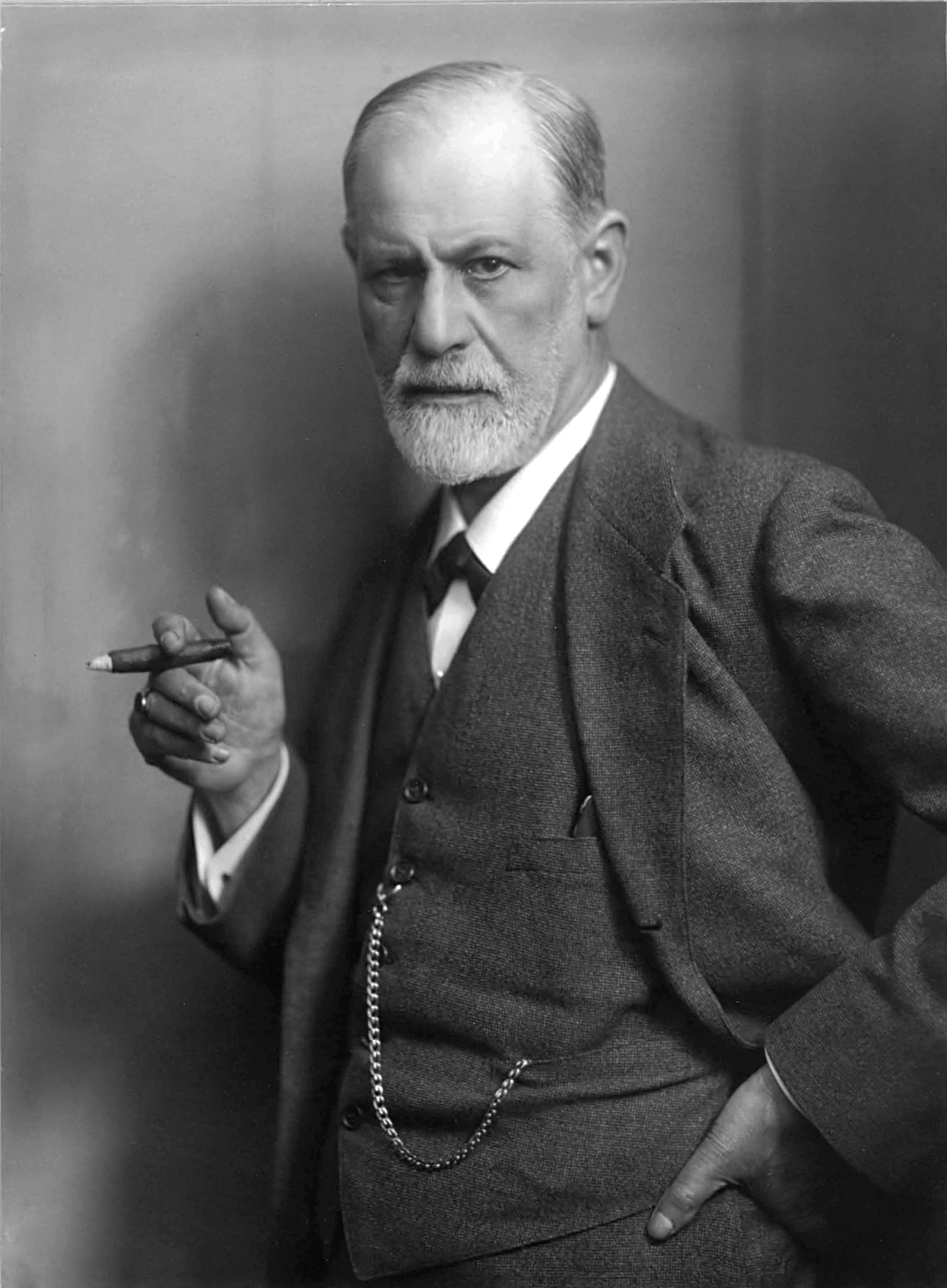
1884 FREUD, Sigmund (1856 – 1939)
Ueber coca.
Freud described his observations (with himself as subject) on the effects of cocaine, including its abolition of hunger and fatigue, the “exhilaration and lasting euphoria”. He also described its supposed non-addictiv…
GMN 1880.1 · https://historyofmedicine.com/id/2515
1884 GORDON, Sir Charles Alexander (1821 – 1899)
An epitome of the reports of the medical officers to the Chinese Imperial Maritime Customs Office from 1871 to 1882. With chapters on the history of medicine in China: Materia medica: Epidemics: Famine: Ethnology: And chronology in relation to medicine and public health.
Apart from studies of common diseases, public health issues, and epizootics, this work contains a chapter on opium smoking and a chapter on the castration of Chinese eunuchs, of which there were around a thousand work…
GMN 9422 · https://historyofmedicine.com/id/11605
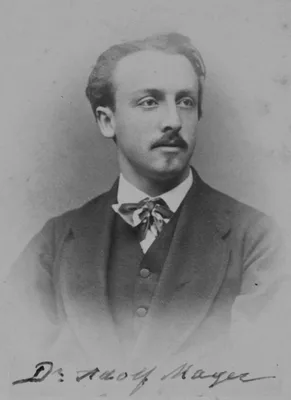
1886 MAYER, Adolf Eduard Maydolf (1843 – 1942)
Ueber die Mosaikkrankheit des Tabaks.
Mayer was first to describe and name tobacco mosaic disease and to demonstrate its infectious nature, that it could be transferred between plants, similar to bacterial infections. Translation in Phytopathological Clas…
GMN 2503.1 · https://historyofmedicine.com/id/3207
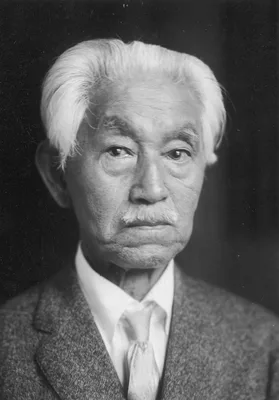
1887 NAGAYOSHI, Nagai (1844 – 1929)
Ephedrin.
Isolation of ephedrine from Ephedra distachya.
GMN 1883.1 · https://historyofmedicine.com/id/8942
1889 EDKINS, Joseph (1823 – 1905)
Opium: Historical note, or, the poppy in China. Published by order of The Inspector General of Customs.
Though relatively brief (50pp.) this may be the first historical study of opium in English. Text in English and Chinese. Digital facsimile from the Hathi Turst at this link. Reprinted without the Chinese text, Shangha…
GMN 11869 · https://historyofmedicine.com/id/14073
1890 FRASER, Sir Thomas Richard (1841 – 1919)
Strophanthus hispidus; its natural history, chemistry, and pharmacology.
Introduction of Strophanthus hispidus.
GMN 1885 · https://historyofmedicine.com/id/2491
1892 IVANOVSKI, Dmitri Iosifovich (Ivanowski; Iwanowski) (1864 – 1920)
Ueber die Mosaikkrankheit der Tabakspflanze.
The Russian botanist Ivanovski demonstrated that the agent responsible for tobacco mosaic disease could pass through the finest filter then available. This was the starting point of research into the etiology of virus…
GMN 2506.2 · https://historyofmedicine.com/id/3229
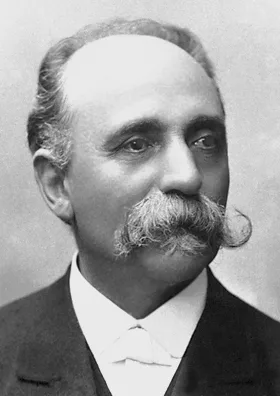
1892 GOLGI, Camillo (1844 – 1926)
Azione della chinina sui parasite malarici e sui corrispondente accessi febbrili.
French translation in Arch. ital. Biol., 1892, 17, 456-71.
GMN 5243 · https://historyofmedicine.com/id/7900
1894 –1895 PAUL, Benjamin Horatio (1828 – 1902); COWNLEY, Alfred John
The chemistry of ipecacuanha.
Emetine first obtained in pure form.
GMN 1887 · https://historyofmedicine.com/id/2500
1899 DRESER, Heinrich (1860 – 1925)
Pharmakologisches über Aspirin (Acetylsalicylsäure).
Acetylsalicylic acid (aspirin) introduced into medicine.
GMN 1891 · https://historyofmedicine.com/id/2520
1900 RUSBY, Henry Hurd (1855 – 1940)
The botanical origin of coca leaves.
GMN 11891 · https://historyofmedicine.com/id/14096
1901 MORTIMER, William Golden (1854 – 1933)
Peru: The history of coca, “the divine plant of the Incas”.
The most comprehensive work on the coca plant and the history of its use by the Incas and their descendants. Reprinted, San Francisco, And/Or Press, 1974.
GMN 2040.1 · https://historyofmedicine.com/id/2212
1904 CLOËTTA, Max (1868 – 1940)
Ueber Digalen (Digitoxinum solubile).
Introduction of digalen.
GMN 1893.1 · https://historyofmedicine.com/id/2535
1904 POWER, Frederick Belding (1853 – 1927); GORNALL, Frank Howorth
The constituents of chaulmoogra seeds.
Hydnocarpus wightiana or Chaulmoogra is a tree in the Achariaceae family. The oil from seeds of Hydnocarpus wightiana or Chaulmoogra, a tree in the Achariaceae family, was widely used in Indian medicine and Chinese tr…
GMN 2437 · https://historyofmedicine.com/id/2907
1905 MACKENZIE, Sir James (1853 – 1925)
New methods of studying affections of the heart.
Mackenzie established the remarkable action of digitalis in auricular fibrillation.
GMN 2819 · https://historyofmedicine.com/id/3501
1911 VEDDER, Edward Bright (1878 – 1952)
Experiments undertaken to test the efficacy of the ipecac treatment of dysentery.
Vedder demonstrated the amoebicidal action of emetine; his work led to the general adoption of emetine in the treatment of amoebic dysentery.
GMN 5189 · https://historyofmedicine.com/id/6337
1912 HOLLINGWORTH, Harry Levi (1880 – 1956)
The influence of caffeine on mental and motor efficiency. Columbia Contributions to Philosophy and Psychology, Vol. XX, No. 4.
"The Coca-Cola Company, facing a lawsuit from the federal government under the Pure Food and Drug Act, approached Hollingworth (after James McKeen Cattell and several other psychologists turned them down)[4] about inv…
GMN 13522 · https://historyofmedicine.com/id/15797
1914 WENCKEBACH, Karel Frederik (1864 – 1940)
Die unregelmässige Herztätigkeit und ihre klinische Bedeutung.
Wenckebach was the first to demonstrate (pp. 173-75) the value of quinine (“Wenckebach’s pills”) in the treatment of paroxysmal fibrillation. The same work contains a number of excellent descriptions of various forms …
GMN 2844 · https://historyofmedicine.com/id/3605
1916 STRAUB, Walter (1874 – 1944)
Digitaliswirkung am isolierten Vorhof des Frosches.
An important analysis of the action of digitalis on the isolated heart.
GMN 1904 · https://historyofmedicine.com/id/2654
1918 FREY, Walter (1884 – 1972)
Ueber Vorhofflimmern beim Menschen und seine Beseitigung durch Chinidin.
Following Wenckebach’s discovery of the efficacy of quinine in the restoration of normal rhythm in auricular fibrillation. Frey showed that quinidine was the most effective of the cinchona alkaloids in this respect.
GMN 2848 · https://historyofmedicine.com/id/3617
1922 UKERS, William Harrison (1873 – 1945)
All about coffee.
Covers the historical, technical, scientific, commercial, social and artistic dimensions of coffee. Second edition, 1935. Digital facsimile of the 1922 edition from Google Books at this link.
GMN 11722 · https://historyofmedicine.com/id/13923
1925 CUSHNY, Arthur Robertson (1866 – 1926)
The action and uses in medicine of digitalis and its allies.
GMN 1912 · https://historyofmedicine.com/id/2675
1926 GOTTLIEB, Rudolf (1864 – 1924)
Vergleichende Messungen über die Gewöhnung des Atemzentrums an Morphin, Dicodid und Dilaudid.
Introduction of dilaudid (Hydromorphone)
GMN 1913 · https://historyofmedicine.com/id/2678
1926 HANZLIK, Paul John (1885 – 1951)
Actions and uses of the salicylates and cinchophen in medicine.
Republished in book form, Baltimore, 1927.
GMN 1914 · https://historyofmedicine.com/id/2680
1930 EDGEWORTH, Harriet Isabel (1892 – )
A report of progress on the use of ephedrine in a case of myasthenia gravis.
Harriet Edgeworth discovered by accident the beneficial effect of ephedrine in myasthenia gravis. Digital facsimile from jamanetwork.com at this link.
GMN 4765 · https://historyofmedicine.com/id/1412
1930 SCHMIDT, Carl Frederic (1893 – 1988); CHEN, Ko Kuei (1898 – 1988)
Ephedrine and related substances.
A digest of the literature, together with an excellent bibliography. By their earlier work (J. Pharmacol., 1924, 24, 339-57) Chen and Schmidt aroused worldwide interest in ephedrine.
GMN 1918 · https://historyofmedicine.com/id/2690
1930 SMITH, Sydney
Digoxin, a new digitalis glucoside.
Isolation of digoxin from Digitalis lanata.
GMN 1920 · https://historyofmedicine.com/id/2693
1931 SEN, Ganneth; BOSE, Katrick Chandra
Rauwolfia serpentina, a new Indian drug for insanity and high blood pressure.
Introduction of reserpine in the treatment of psychoses.
GMN 4959 · https://historyofmedicine.com/id/6306
1933 CHOPRA, Ram Nath (1882 – 1973); ET AL
The pharmacological action of an alkaloid obtained from Rauwolfia serpentina Benth. A preliminary note.
R. N. Chopra, J. C. Gupta, and B. Mukherjee demonstrated the sedative and hypotensive effect of an alkaloid isolated from Rauwolfia serpentina (reserpine).
GMN 1923 · https://historyofmedicine.com/id/2706
1935 UKERS, William Harrison (1873 – 1945)
All about tea. 2 vols.
Covers the historical, technical, scientific, commercial, social and artistic dimensions of tea. Digital facsimile from Google Books at this link.
GMN 13845 · https://historyofmedicine.com/id/16135
1937 –1969 BROOKS, Jerome E. (1895 – 1983); ARENTS, George Jr. (1875 – 1960)
Tobacco: Its history illustrated by the books, manuscripts and engravings in the library of George Arents, Jr. 5 vols. + 10 Supplements.
GMN 11629 · https://historyofmedicine.com/id/13829
1939 EISLER, O; SCHAUMANN, O
Dolantin, ein neuartiges Spasmolytikum und Analgetikum. (Chemisches und pharmakologisches.)
Synthesis of pethidine (dolantin) (Demoral).
GMN 1927 · https://historyofmedicine.com/id/2723
1939 MÜLLER, Franz Hermann
Tabakmissbrauch und Lungencarcinom.
In the first case-control epidemiological study of the effects of tobacco Müller recorded a statistically significant correlation between cigarette smoking and lung cancer. See Alfredo Morabia, "Quality, originality, …
GMN 3213 · https://historyofmedicine.com/id/4354