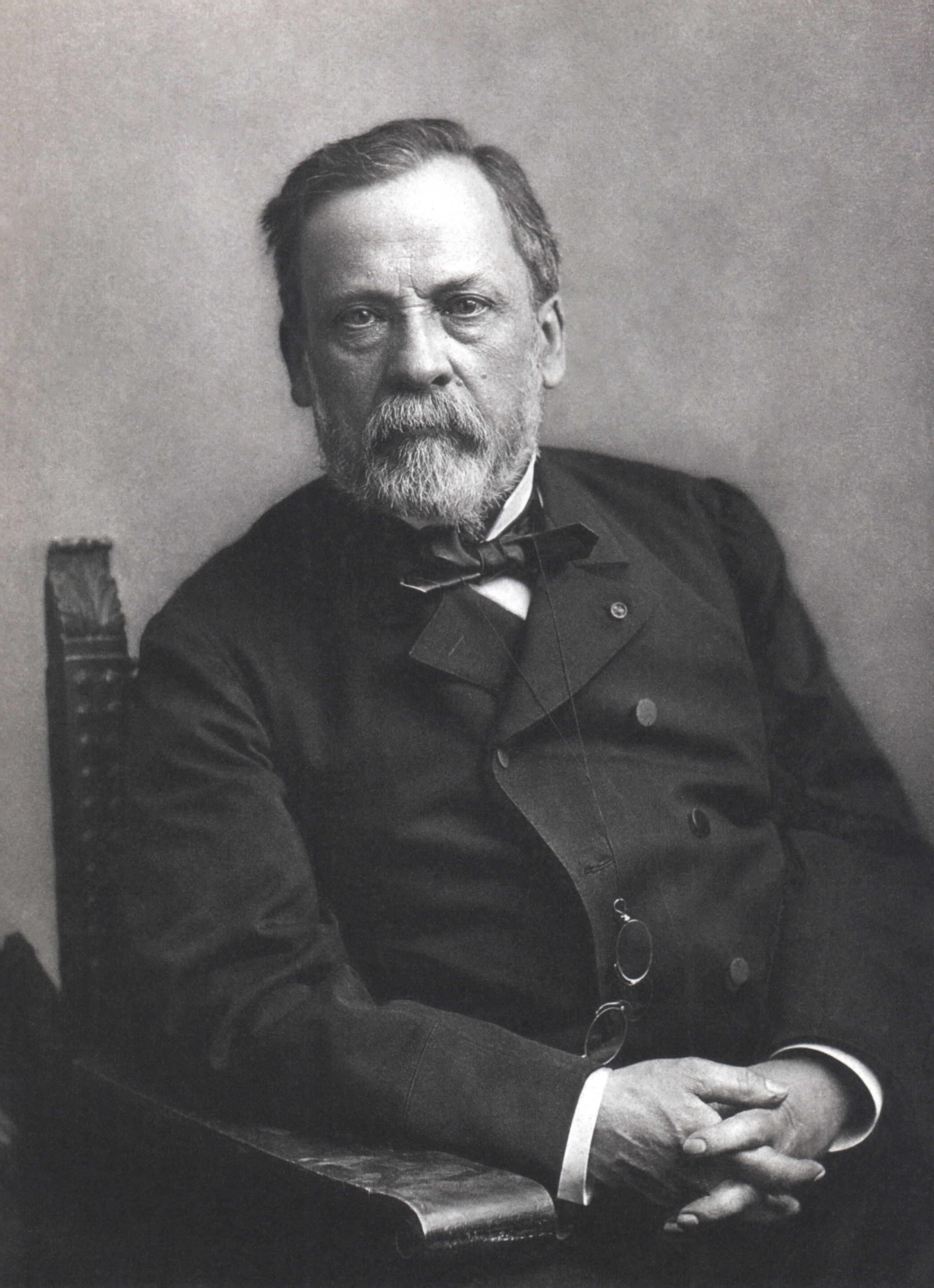
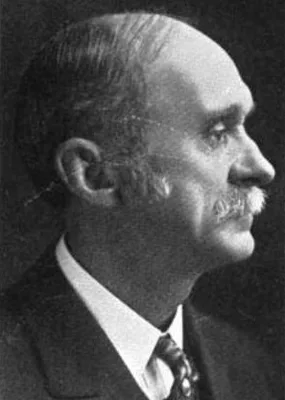
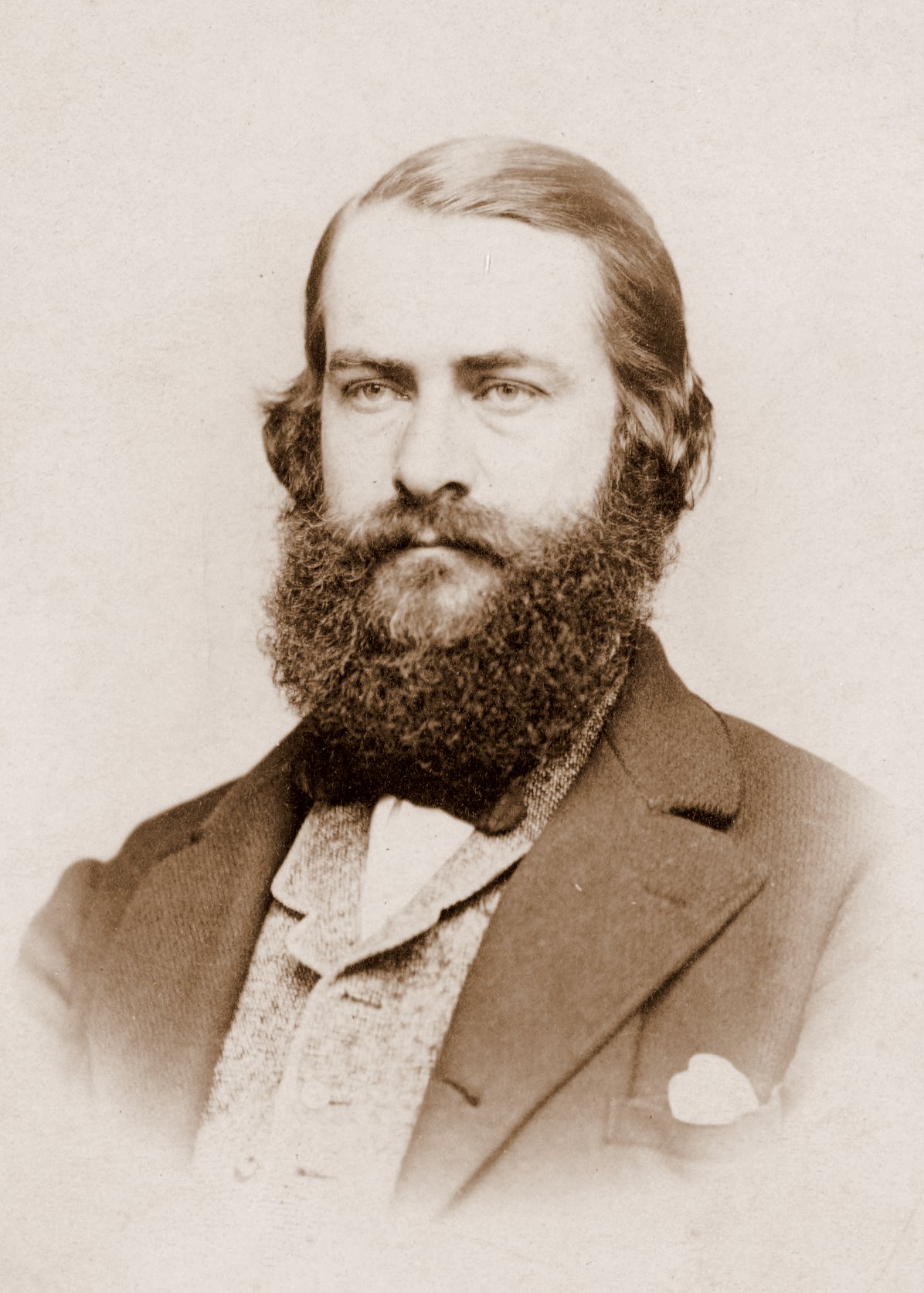
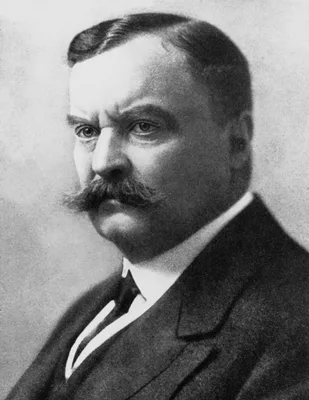
1884 PASTEUR, Louis (1822 – 1895); CHAMBERLAND, Charles (1851 – 1908); ROUX, Pierre Paul Émile (1853 – 1933)
Nouvelle communication sur la rage.
Demonstration in the blood of the rabies virus. English translation in R. Suzor, Hydrophobia: An account of M. Pasteur’s system…London, 1887.
GMN 5482 · https://historyofmedicine.com/id/6383
1884 MANSON, Sir Patrick (1844 – 1922)
The metamorphosis of Filaria sanguinis hominis in the mosquito.
Manson reported that the changes he had observed in ingested filariae took place in the mosquito thorax, not in the stomach as previously thought.
GMN 5346.3 · https://historyofmedicine.com/id/6810
1884 LECHNER, Karl
Die grosse Sterben in Deutschland in den Jahren 1348 bis 1351 und die folgenden Pestepidemien bis zum Schluss des 14. Jahrhunderts.
Digital facsimile from the Internet Archive at this link.
GMN 9237 · https://historyofmedicine.com/id/11419
1885 STRÜMPELL, Ernst Adolf Gustav Gottfried (1853 – 1925)
Ueber die akute Encephalitis der Kinder (Polioencephalitis acuta, cerebrale Kinderlähmung).
“Strumpell’s disease” – polioencephalomyelitis.
GMN 4643 · https://historyofmedicine.com/id/721
1885 CORNIL, André Victor (1837 – 1908); BABES, Victor (Babeş) (1854 – 1926)
Les bactéries et leur rôle dans l’anatomie et l’histologie pathologiques des maladies infectieuses. 1 vol. and atlas.
Considered the first treatise on bacteriology.
GMN 2501 · https://historyofmedicine.com/id/3196
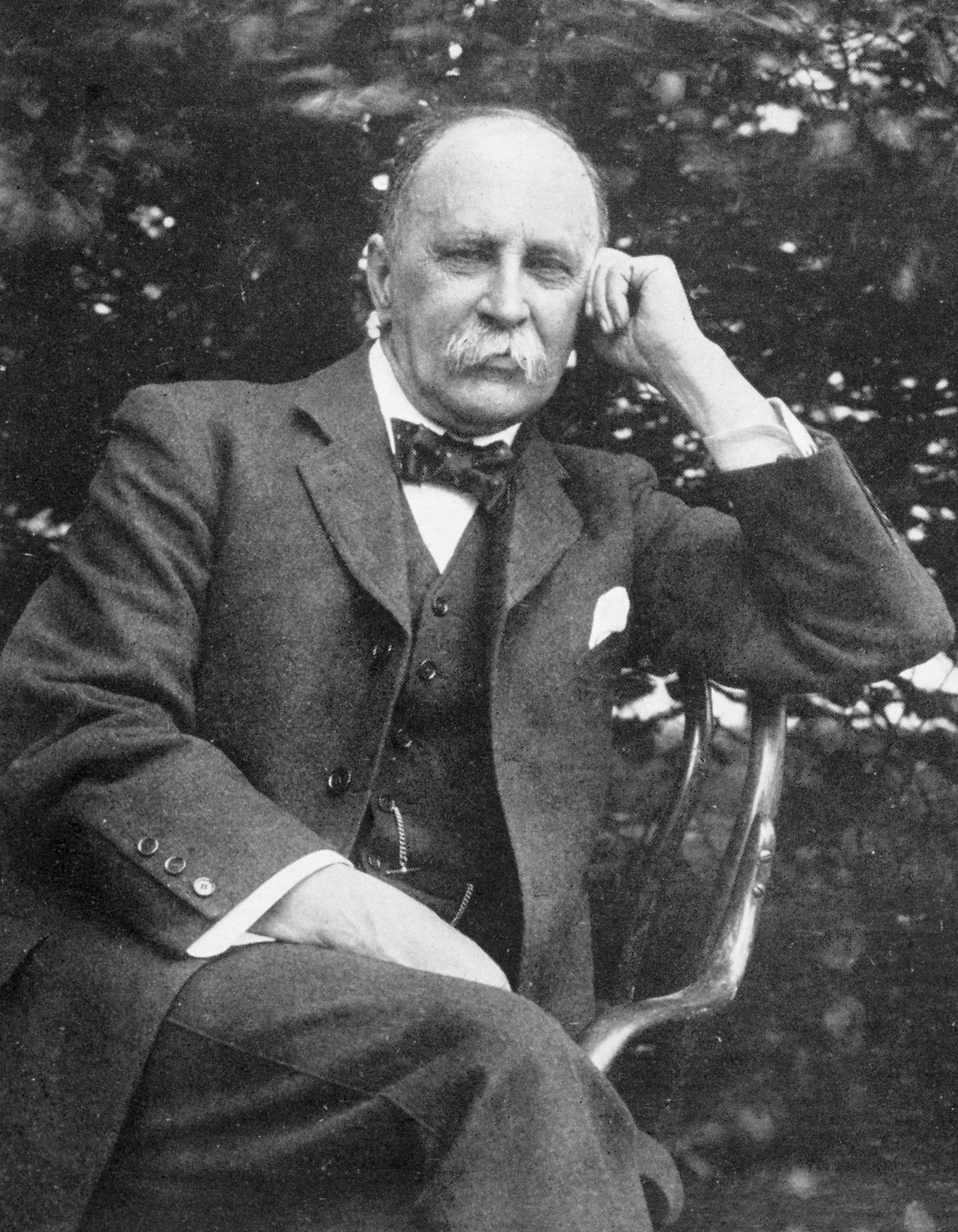
1885 OSLER, Sir William (1849 – 1919)
The Gulstonian Lectures, on malignant endocarditis.
First comprehensive description of subacute bacterial endocarditis.
GMN 2790 · https://historyofmedicine.com/id/3396
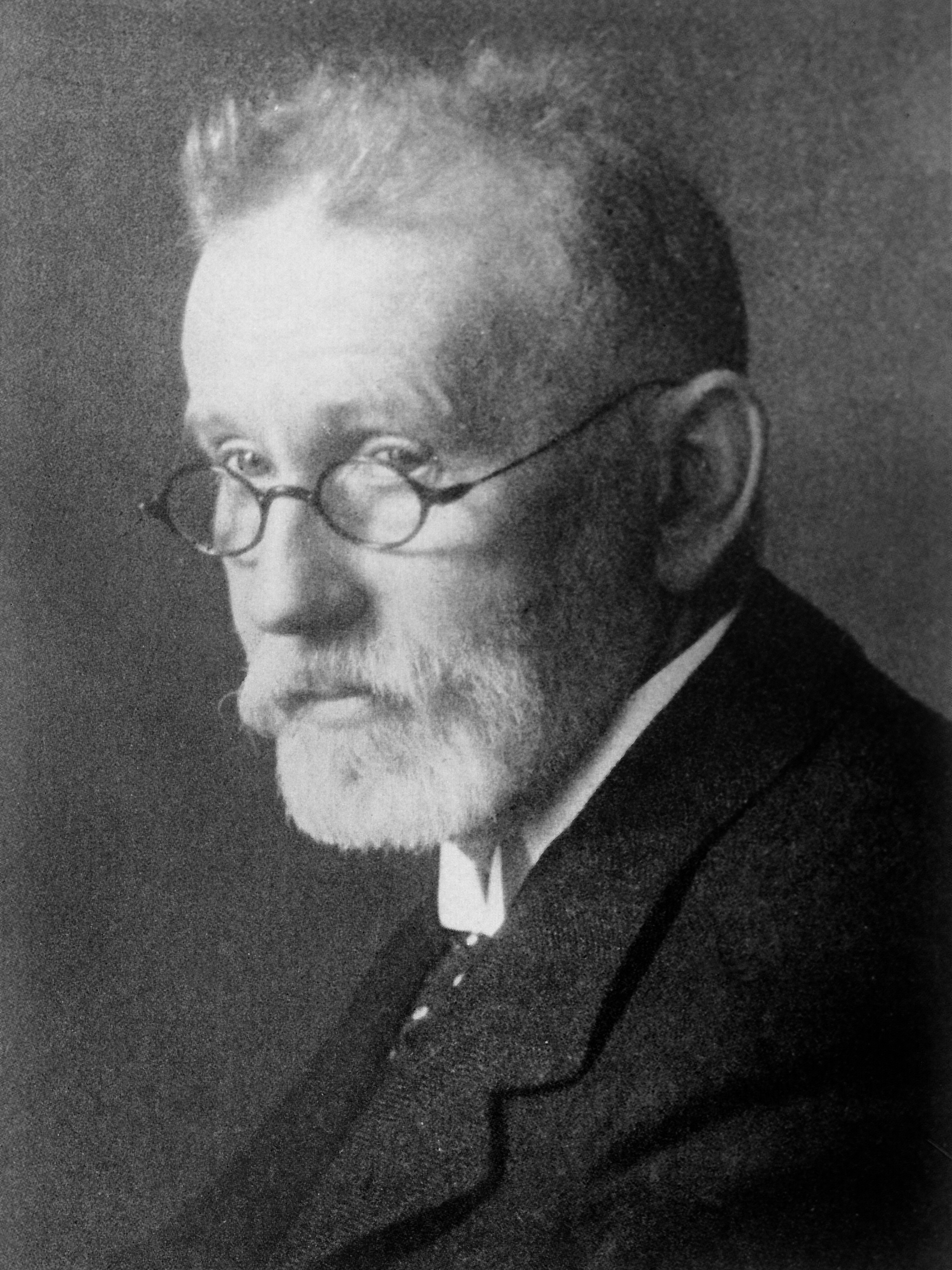
1885 EHRLICH, Paul (1854 – 1915)
Das Sauerstoff-Bedürfniss des Organismus. Eine farbenanalytische Studie.
Includes the first statement of Ehrlich’s “side-chain” theory.
GMN 2540 · https://historyofmedicine.com/id/3547
1885 PASTEUR, Louis (1822 – 1895)
Méthode pour prévenir la rage après morsure.
Pasteur’s papers describing his rabies vaccine, and the results he attained with it gave further proof of the value of attenuated virus as a protective inoculum against infective diseases in man and animals. This is c…
GMN 2541 · https://historyofmedicine.com/id/3549
1885 LÜRMAN, August
Eine Icterusepidemie.
Dr. Lürman, a general practitioner in Bremen, was first to report homologous serum hepatitis. English translation in Human viral hepatitis, by A. J. Zuckerman, 2nd ed., New York, 1972, pp. 4-10.
GMN 3628 · https://historyofmedicine.com/id/4581
1885 O’DWYER, Joseph P. (1841 – 1898)
Intubation of the larynx.
O’Dwyer perfected the operation of laryngeal intubation in croup.
GMN 5057 · https://historyofmedicine.com/id/5861
1885 –1887 FILATOV, Nil Feodorovich (1847 – 1902)
Lektsii ob ostrikh infektsionnîkh bolierznyakh u dietei. [Lectures on acute infectious diseases of children.] 2 vols.
Glandular fever (infectious mononucleosis) was first described by Filatov under the name of idiopathic adenitis (“Filatov’s disease”). A German translation of his book appeared in 1895-97.
GMN 5485 · https://historyofmedicine.com/id/6418
1885 CUNNINGHAM, David Douglas (1843 – 1914)
On the presence of peculiar parasitic organisms in the tissue of a specimen of Delhi boil.
Cunningham saw and described bodies in Delhi boil; these were almost certainly Leishman–Donovan bodies.
GMN 5293 · https://historyofmedicine.com/id/6419
1885 PALTAUF, Arnold (1860 – 1893)
Mycosis mucorina.
First authentic case reported in man.
GMN 5528 · https://historyofmedicine.com/id/6637
1885 THOMAS, John Davies (1844 – 1893)
Notes upon the experimental breeding of Taenia echinococcus in the dog from the echinococci of man.
Thomas succeeded in transmitting Taenia echinococcus to the dog from human sources.
GMN 5347 · https://historyofmedicine.com/id/6813
1885 BUMM, Ernst (1858 – 1925)
Der Mikro-Organismus der gonorrhöischen Schleimhaut-Erkrankungen, Gonococcus-Neisser.
Bumm cultured the gonococcus. By human inoculations he demonstrated its pathogenicity in pure culture.
GMN 5209 · https://historyofmedicine.com/id/7808
1885 FRAENKEL, Eugen (1853 – 1925)
Bericht über eine bei Kindern beobachtete Endemie infectiöser Colpitis.
The gonococcus shown to be the cause of vulvovaginitis in children.
GMN 5210.1 · https://historyofmedicine.com/id/7810
1885 MARCHIAFAVA, Ettore (1847 – 1935); CELLI, Angelo (1857 – 1914)
Weitere Untersuchungen über die Malariainfection.
First accurate description of the malaria Plasmodium, discovered by Laveran in 1880. These writers were the first to adopt the name P. malariae.
GMN 5238 · https://historyofmedicine.com/id/7889
1885 DANILEVSKI, Vasili Iakovlevich (1852 – 1934)
Zur Parasitologie des Blutes.
Discovery of malaria parasites in birds. See also Ann. Inst. Pasteur, 1890, 4, 427-31.
GMN 5238.1 · https://historyofmedicine.com/id/7893
1885 ESMARCH, Johann Friedrich August von (1823 – 1908); KULENKAMPFF, Diedrich (1846 – )
Die elephantiastischen Formen. Eine umfassende Darstellung der angeborenen und erworbenen Elephantiasis sowie aller verwandten Leiden.
This atlas illustrates the various changes that occur under the collective term elephantiasis, including tumors of the blood and lymphatic vessels, fibromas, neuromas, papillomas. Goldschmid 258.
GMN 9544 · https://historyofmedicine.com/id/11730
1885 PENNA, José (1855 – 1919)
La viruela en la América del Sud y principalmente en la República Argentina: Historia, estadística, clínica, y profilaxia.
Digital facsimile from wellcomecollection.org at this link.
GMN 13805 · https://historyofmedicine.com/id/16093
1886 ESCHERICH, Theodor (1857 – 1911)
Die Darmbakterien des Säuglings und ihre Beziehungen zur Physiologie der Verdauung.
Includes the first account of Bact. coli infection. The organism was later renamed Escherichia coli (E.coli).
GMN 1017 · https://historyofmedicine.com/id/877
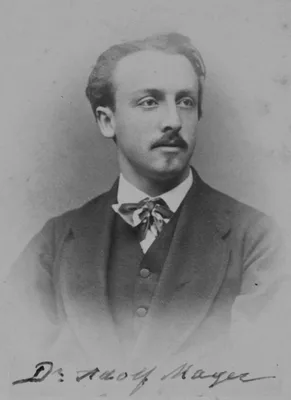
1886 MAYER, Adolf Eduard Maydolf (1843 – 1942)
Ueber die Mosaikkrankheit des Tabaks.
Mayer was first to describe and name tobacco mosaic disease and to demonstrate its infectious nature, that it could be transferred between plants, similar to bacterial infections. Translation in Phytopathological Clas…
GMN 2503.1 · https://historyofmedicine.com/id/3207
1886 SMITH, Theobald (1859 – 1934); SALMON, Daniel Elmer (1850 – 1914)
The bacterium of swine-plague.
Discovery of Salmonella choleraesuis. The Salmonellae tribe was named after Salmon, even though the discovery was made by Smith. See Bibel, Milestones in immunology (1988) 31-32.
GMN 2505 · https://historyofmedicine.com/id/3214
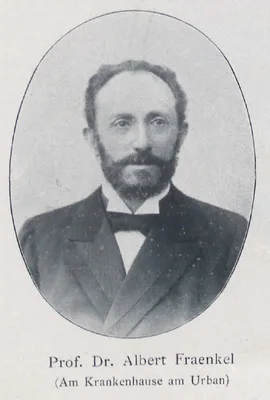
1886 FRAENKEL, Albert (1848 – 1916)
Die Mikrococcen der Pneumonie.
Fraenkel showed definitely that the organism found by Pasteur (No. 3172) and Sternberg (No. 3173) was a cause of pneumonia.
GMN 3175 · https://historyofmedicine.com/id/4165
1886 WEICHSELBAUM, Anton (1845 – 1920)
Ueber die Aetiologie der acuten Lungen- und Rippenfellentzündungen.
Weichselbaum definitely established that Friedländer’s bacillus was responsible for pneumonia in a small percentage of cases.
GMN 3176 · https://historyofmedicine.com/id/4169
1886 KLEIN, Edward Emanuel (1844 – 1925)
Report on a disease of cows prevailing at a farm from which scarlatina had been distributed along with the milk of cows.
Contains the first suggestion of the streptococcal origin of scarlet fever.
GMN 5080 · https://historyofmedicine.com/id/5937
1886 LOEFFLER, Friedrich August Johann (1852 – 1915)
Die Aetiologie der Rotzkrankheit.
Discovery of Burkholderia mallei, causative organism of glanders. Preliminary notice in Dtsch. med. Wschr., 1882, 8, 707.
GMN 5156 · https://historyofmedicine.com/id/6204
1886 KARTULIS, Stephanos (1852 – 1920)
Zur Aetiologie der Dysenterie in Aegypten.
Kartulis discovered amoebae in liver abscess. It was principally through the work of Kartulis that amoebae came to be considered the cause of dysentery in man.
GMN 5186 · https://historyofmedicine.com/id/6327
1886 WEIL, Adolf (1848 – 1916)
Ueber eine eigenthümliche, mit Milztumor, Icterus und Nephritis einhergehende, acute Infectionskrankheit.
In his classic description of Leptospirosis icterohaemorrhagica Weil differentiated the disease from other types of acute jaundice. It is better known as “Weil’s disease”.
GMN 5332 · https://historyofmedicine.com/id/6657
1886 WEEKS, John Elmer (1853 – 1949)
The bacillus of acute conjunctival catarrh or “pink eye”.
In 1883 Koch discovered the bacilli of two different forms of infectious conjunctivitis (Egyptian ophthalmia); in 1886. Weeks discovered the same organism to be the cause of “pink-eye”. The organism has become known a…
GMN 5930 · https://historyofmedicine.com/id/6860
1886 WUCHERER, Otto Eduard Heinrich (1820 – 1873)
Sobre a molestia vulgarmente denominada oppilaçao ou cançaço.
Wucherer confirmed Griesinger’s conclusion that the cause of tropical anemia was hookworm infestation. See also the same journal, 1869, 3, 170-72, 183-84, 198-200. English translation in Kean (No. 2268.1).
GMN 5356 · https://historyofmedicine.com/id/6947
1886 LEIDY, Joseph (1823 – 1891)
Remarks on parasites and scorpions.
Leidy found the hookworm in the cat and suggested that it might also be found in man as a cause of pernicious anemia.
GMN 5359 · https://historyofmedicine.com/id/6959
1886 BUIST, John Brown (1846 – 1915)
The life-history of the micro-organisms associated with variola and vaccinia. An abstract of results obtained from a study of smallpox and vaccination in the surgical laboratory of the University of Edinburgh.
The “Paschen elementary bodies” (No. 5430) were first recognized and demonstrated by Buist. Republished as an appendix to his Vaccinia and variola, London, 1887.
GMN 5427 · https://historyofmedicine.com/id/7375
1886 PICK, Alois (1859 – 1945)
Zur Pathologie und Therapie einer eigenthümlichen endemischen Krankheitsform.
This is generally regarded as the first description of pappataci fever.
GMN 5476 · https://historyofmedicine.com/id/7628
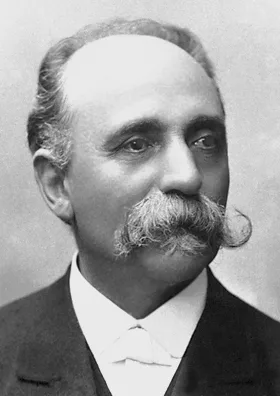
1886 GOLGI, Camillo (1844 – 1926)
Sull infezione malarica.
Description of the development of the parasite of quartan malaria. Golgi differentiated the tertian and quartan parasites by the periods of their respective developments.
GMN 5239 · https://historyofmedicine.com/id/7894
1886 –1890 MANSUROV, Nikolai Porfir'evich (1834 – 1892)
Klinicheskii sbornik po dermatologii i sifilologii. 4 vols.
Mansurov was the first dermatologist in Russia, and one of the first physicians to use photography systematically in medical illustration. This was a periodical, illustrated with original photographs, of which Manusro…
GMN 7744 · https://historyofmedicine.com/id/9916
1886 HAWAII. BOARD OF HEALTH
Leprosy in Hawaii. Extracts from reports of presidents of the board of health, government physicians and others, and from official records, in regard to leprosy before and after the passage of the “Act to prevent the spread of leprosy”, approved Jan. 3, 1865. The laws and regulations in regard to leprosy in the Hawaiian Kingdom.
GMN 10521 · https://historyofmedicine.com/id/12714
1887 WEICHSELBAUM, Anton (1845 – 1920)
Ueber die Aetiologie der akuten Meningitis cerebro-spinalis.
Weichselbaum discovered the meningococcus, Neisseria meningitidis, causative agent of cerebrospinal meningitis.
GMN 4678 · https://historyofmedicine.com/id/949
1887 BRUCE, Sir David (1855 – 1931)
Note on the discovery of a micro-organism in Malta fever.
Malta fever was shown by Bruce to be due to Micrococcus (Brucella) melitensis. The disease was later named Brucellosis.
GMN 5098 · https://historyofmedicine.com/id/6020
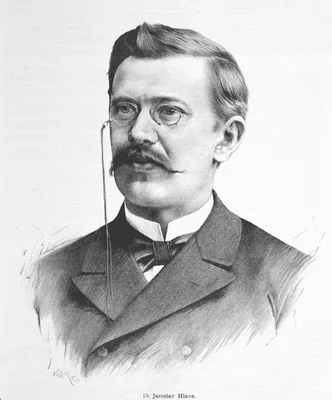
1887 HLAVA, Jaroslav (1855 – 1924)
O úplavici. Předběžné sđělení.
Hlava induced experimental amoebiasis in cats by intrarectal inoculation of stools. In an abstract of this paper Kartulis confused the author’s name with that of the title, a mistake copied by writers for many years; …
GMN 5186.1 · https://historyofmedicine.com/id/6330
1887 FILATOV, Nil Feodorovich (1847 – 1902)
Lektsii ob ostrikh infektsionnîkh bolieznyakh u dietei. [Lectures on acute infectious diseases of children.] Vol. 2
On p. 113 is Filatov’s account of a form of rubella with a scarlatiniform rash. To this he gave the name “rubeola scarlatinosa”. (See also No. 5505.)
GMN 5503 · https://historyofmedicine.com/id/6476
1887 PASTEUR, Louis (1822 – 1895); SUZOR, Renaud
Hydrophobia: An account of M. Pasteur's system containing a translation of all his communications on the subject, the technique of his method, and the latest statistical results
The author, qualified M.D. in both Edinburgh and Paris, characterized himself on the title page of this work as "Commissioned by the Government of the Colony of Mauritius to study M. Pasteur's new treatment in Paris."…
GMN 12039 · https://historyofmedicine.com/id/14247
1888 GÄRTNER, August Anton Hieronymous (1848 – 1934)
Ueber die Fleischvergiftung in Frankenhausen. a.K. und den Erreger derselben.
Discovery of Salmonella enteritidis, a cause of food poisoning.
GMN 2506 · https://historyofmedicine.com/id/3223
1888 ANTON, Bernhard; FÜTTERER, Gustav (1854 – 1922)
Untersuchungen über Typhus abdominalis.
Salmonella typhi first demonstrated in the gall-bladder in cases of typhoid.
GMN 5033 · https://historyofmedicine.com/id/5757
1888 WIDAL, Georges-Fernand Isidor (1862 – 1929); CHANTEMESSE, André (1851 – 1919)
De l’immunité contre le virus de la fièvre typhoöde conférée par des substances solubles.
Experimental antityphoid inoculation.
GMN 5034 · https://historyofmedicine.com/id/5758
1888 –1889 YERSIN, Alexandre Émile Jean (1863 – 1943); ROUX, Pierre Paul Émile (1853 – 1933)
Contribution a l’étude de la diphtérie.
Confirmation of the work of Loeffler and demonstration of the exotoxin. This work is the starting point of the development of an immunizing serum.
GMN 5059 · https://historyofmedicine.com/id/5867
1888 WIDAL, Georges-Fernand Isidor (1862 – 1929); CHANTEMESSE, André (1851 – 1919)
Sur les microbes de la dysentérie épidémique.
The dysentery bacillus was isolated by Chantemesse and Widal, although they failed to establish its etiological relationship to the disease.
GMN 5090.1 · https://historyofmedicine.com/id/5996
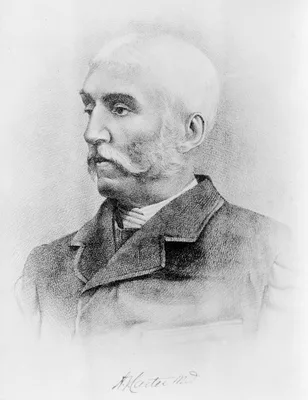
1888 CARTER, Henry Vandyke (1831 – 1897)
Note on the occurrence of a minute blood-spirillum in an Indian rat.
Demonstration of Spirillum minus, later shown to be a cause of rat-bite fever. (See also No. 5327).
GMN 5323 · https://historyofmedicine.com/id/6621
1888 FINGER, Ernest Anton Franz (1856 – 1939)
Die Blenorrhöe der Sexualorgane und ihre Complicationen.
GMN 5211 · https://historyofmedicine.com/id/7811
1889 BALZER, Félix (1849 – 1929)
Expériences sur la toxicité du bismuth.
Balzer was the first to suggest bismuth in the treatment of syphilis.
GMN 2394 · https://historyofmedicine.com/id/3334