1671 VOLLGNAD, Heinrich (1634 – 1682)
Globus vitulinus.
First authentic report on variolation.
GMN 5405 · https://historyofmedicine.com/id/7253
1714 –1716 TIMONI, Emmanuel (1670 – 1718)
An account, or history, of the procuring of the smallpox by incision or inoculation, as it has for some time been practised at Constantinople.
A letter dated December, 1713 from Timoni of Constantinople to John Woodward, and read to the Royal Society in May, 1714, described the practice in that city of inoculation against smallpox. The letter aroused interes…
GMN 5409 · https://historyofmedicine.com/id/7263
1714 –1716 PILARINO, Giacomo [PYLARINI] (1659 – 1718)
Nova & tuta variolas excitandi per transplantationem methodus, nuper inventa & in usum tracta.
This reprint of No. 5409.1 appeared in the same volume as Timoni’s paper. Both were republished in Latin: Tractatus bini de nova variolas per transplantationem excitandi methodo, Leyden, 1721. Digital facsimile of 172…
GMN 5410 · https://historyofmedicine.com/id/7305
1715 PILARINO, Giacomo [PYLARINI] (1659 – 1718)
Nova et tuta variolas excitandi per transplantationem methodus; nuper inventa & in usum tracta: Qua rite peracta, immunia in posterum praeservantur ab huiusmodi contagio corpora.
Inoculation was practiced in ancient times. In 1701 Pilarino inoculated three children at Constantinople with smallpox virus. He is credited with the “medical” discovery of variolation, and is thus the first immunolog…
GMN 5409.1 · https://historyofmedicine.com/id/7266
1721 BOYLSTON, Zabdiel (1679 – 1766)
Some account of what is said of inoculating or transplanting the small pox by the learned Dr. Emmanuel Timonius, and Jacobus Pylarinus. With some remarks theron. To which are added, a few queries in answer to the scruples of many about the lawfulness of this method.
An abridgement of Nos. 5409 & 5410 together with Boylston’s remarks. From internal evidence this 24-page pamphlet would appear to be the first North American publication on inoculation. See No. 5415. Digital facsimile…
GMN 5410.1 · https://historyofmedicine.com/id/7308
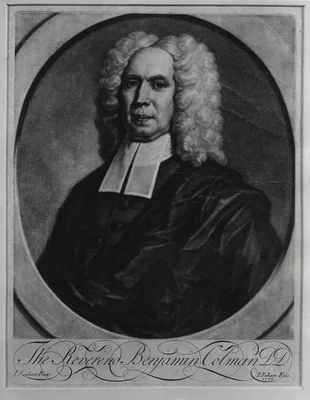
1721 COLMAN, Benjamin (1673 – 1747)
Some observations on the new method of receiving the smallpox by ingrafting or inoculating.
This work offers general support for the practice of Zabdiel Boylston, detailing some of Boylston’s cases, including accounts of occasions when patients died. Reprinted with additional material by Daniel Neal, as A na…
GMN 5411 · https://historyofmedicine.com/id/7309
1722 DOUGLASS, William (1691 – 1752)
Inoculation of the smallpox as practised in Boston.
GMN 5412 · https://historyofmedicine.com/id/7312
1722 DOUGLASS, William (1691 – 1752)
The abuses and scandals of some late pamphlets in favour of inoculation of the small-pox.
Douglass at first opposed inoculation for smallpox, but by 1730 he had changed his views and had become an advocate of inoculation.
GMN 5413 · https://historyofmedicine.com/id/7315
1722 MATHER, Cotton (1663 – 1728)
An account of the method and success of inoculating the small pox in Boston in New England.
Mather republished reports of earlier writers on inoculation. He persuaded Boylston to adopt the practice in June 1721, and he supported Boylston during a period of great opposition to inoculation.
GMN 5414 · https://historyofmedicine.com/id/7318
1722 MAITLAND, Charles (1668 – 1748)
Mr. Maitland’s account of inoculating the small pox.
Maitland inoculated the children of Lady Mary Wortley Montagu in 1721, and also inoculated six condemned prisoners as part of the so-called “Royal Experiment”. Success with these trials lead to his inoculation of the …
GMN 5414.1 · https://historyofmedicine.com/id/7321
1723 JURIN, James (1684 – 1750)
A letter … containing, a comparison between the mortality of the natural small pox, and that given by inoculation.
Jurin was an enthusiastic supporter of inoculation against smallpox, and proved statistically that the fatality of inoculated smallpox is very much less than the fatality of natural smallpox. This is one of the earlie…
GMN 1689 · https://historyofmedicine.com/id/2406
1726 BOYLSTON, Zabdiel (1679 – 1766)
An historical account of the small-pox inoculated in New-England, upon all sorts of persons, whites, blacks, and of all ages and constitutions: With some account of the nature of the infection in the natural and inoculated way, and their different effects on human bodies; with some short directions to the unexperienced in this method of practice .
Boylston was the first in America to inoculate for smallpox, at Boston on 26 June 1721. "During a smallpox outbreak in 1721 in Boston, he inoculated about 248 people[5] by applying pus from a smallpox sore to a small …
GMN 5415 · https://historyofmedicine.com/id/7324
1743 KILPATRICK, James (Kirkpatrick) (1696 – 1770)
An essay on inoculation, occasioned by the small-pox being brought into South Carolina in the year 1738.
After its initial popularity, inoculation fell into disuse in England. Kirkpatrick, who became a prominent inoculator in England after experience in America, helped considerably in reviving its popularity. He attempte…
GMN 5416 · https://historyofmedicine.com/id/7327
1750 THOMSON, Adam ( – 1767)
A discourse on the preparation of the body for the small-pox; and the manner of receiving the infection.
Thomson, a physician in Philadelphia, was the originator of the American method of inoculation against smallpox. Printed by Benjamin Franklin. Digital facsimile from dla.library.upenn.edu at this link.
GMN 5418 · https://historyofmedicine.com/id/7334
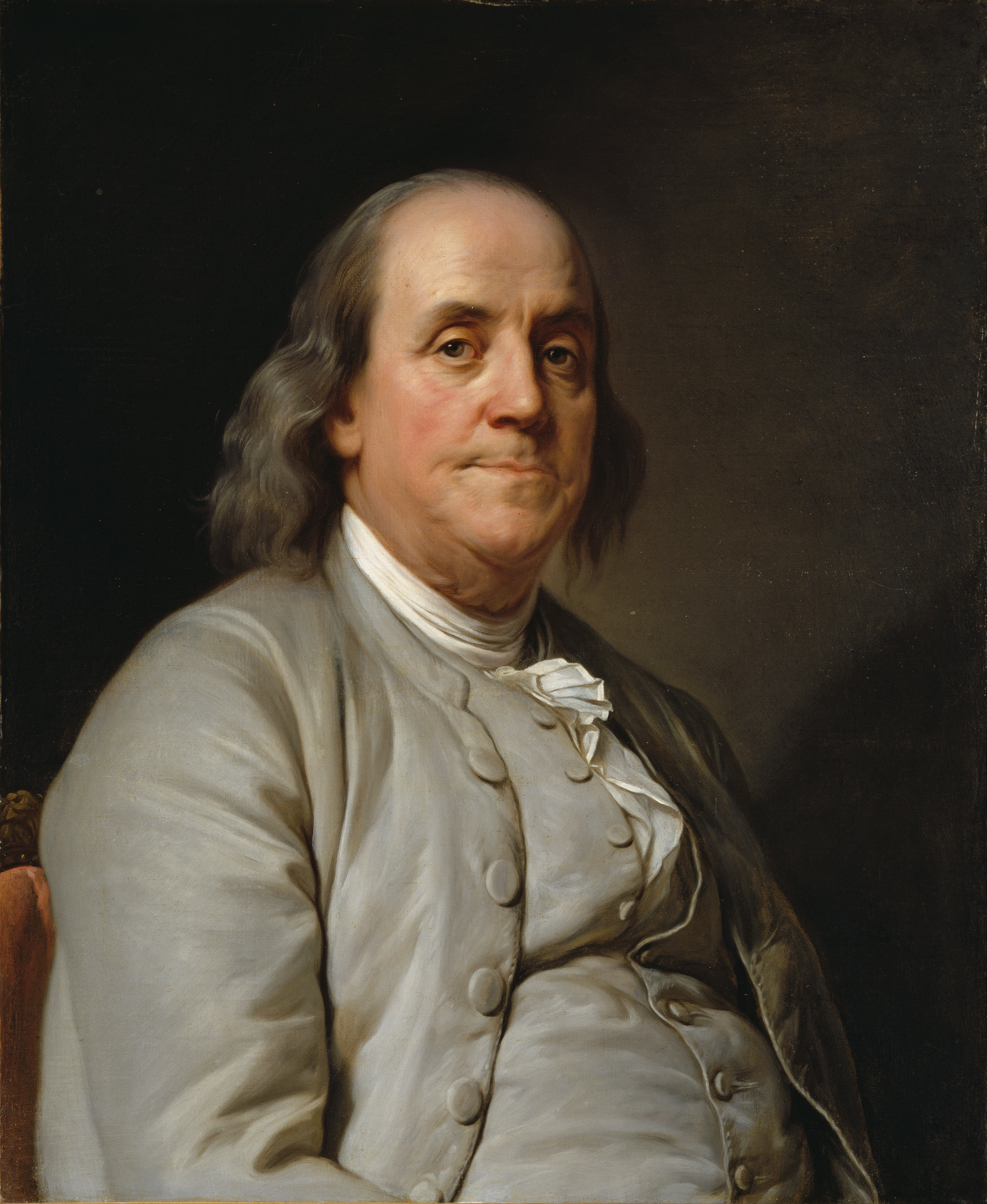
1759 FRANKLIN, Benjamin (1706 – 1790)
Some account of the success of inoculation for the small-pox in England and America. Together with plain instructions, by which any person may be enabled to perform the operation.
Franklin’s statistical account of smallpox inoculation in Boston during the epidemic of 1753-54, showing the beneficial effects of the practice, was written for William Heberden, who contributed the “Plain instruction…
GMN 5419 · https://historyofmedicine.com/id/7337
1767 DIMSDALE, Thomas (1712 – 1800)
The present method of inoculating for the small-pox.
Dimsdale is notable as having inoculated Catherine of Russia and her son. For this he received a fee of £10,000 and a life pension. His reputation and the exalted rank of his patient helped in popularizing the measure…
GMN 5420 · https://historyofmedicine.com/id/7341
1776 DIMSDALE, Thomas (1712 – 1800)
Thoughts on general and partial inoculations: Containing a translation of two treatises written when the author was at Petersburg, and published there in the Russian language; also outlines of two plans: One, for the general inoculation of the poor in small towns and villages. The other, for the general inoculation of the poor in London and other large and populous places.
Digital facsimile from the Internet Archive at this link.
GMN 9520 · https://historyofmedicine.com/id/11705
1781 RUSH, Benjamin (1745 – 1813)
The new method in inoculating for the small pox.
GMN 5422 · https://historyofmedicine.com/id/7348
1913 KLEBS, Arnold Carl (1870 – 1943)
The historic evolution of variolation.
GMN 5436 · https://historyofmedicine.com/id/7437