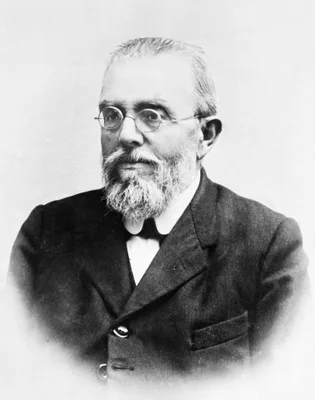
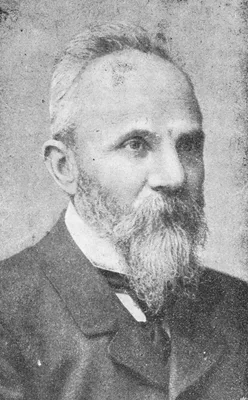
1843 DUBINI, Angelo (1813 – 1902)
Nuovo verme intestinale umano (Agchylostoma duodenale), constituente un sesto genere dei nematoidei proprii dell’uomo.
Dubini first found the hookworm of ankylostomiasis in 1838. His account of 1843, describing it, named it Agchylostoma duodenale, a name etymologically erroneous. Partial English translation in Kean (No. 2268.1).
GMN 5353 · https://historyofmedicine.com/id/6935
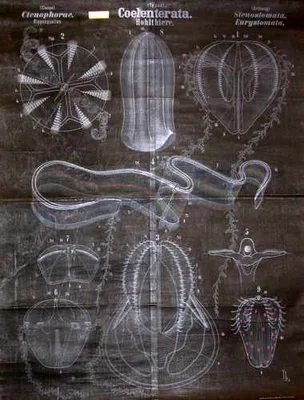
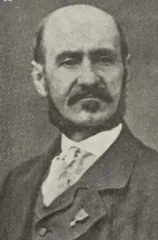
1845 SIEBOLD, Carl Theodor Ernst von [Karl] (1804 – 1885)
Bericht über die Leistungen im Gebiete der Helminthologie während des Jahres 1843 und 1844.
Siebold classified the hookworm as belonging to the Strongyloidae (pp. 220-21).
GMN 5354 · https://historyofmedicine.com/id/6939
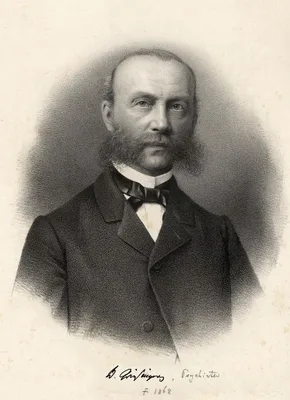
1854 GRIESINGER, Wilhelm (1817 – 1868)
Klinische und anatomische Beobachtungen über die Krankheiten von Aegypten.
Griesinger connected the worm of ankylostomiasis with Egyptian chlorosis, a condition in which the worm had previously been noted without its being considered the causal agent (pp. 555-61). Apparently Bilharz in 1853 …
GMN 5355 · https://historyofmedicine.com/id/6943
1878 GRASSI, Giovanni Battista (1854 – 1925); ET AL
Intornoall’Anchilostoma duodenale (Dubini).
Fecal diagnosis of hookworm disease. Before this time hookworm had been diagnosed only post mortem. With C. Parona and E. Parona. English translation in Kean (No. 2268.1).
GMN 5357 · https://historyofmedicine.com/id/6952
1879 BOZZOLO, Camillo (1845 – 1920)
L’anchilostomiasi e l’anemia che ne conseguita (anchilostomanemia).
Introduction of thymol as a hookworm vermifuge.
GMN 5358 · https://historyofmedicine.com/id/6955
1886 WUCHERER, Otto Eduard Heinrich (1820 – 1873)
Sobre a molestia vulgarmente denominada oppilaçao ou cançaço.
Wucherer confirmed Griesinger’s conclusion that the cause of tropical anemia was hookworm infestation. See also the same journal, 1869, 3, 170-72, 183-84, 198-200. English translation in Kean (No. 2268.1).
GMN 5356 · https://historyofmedicine.com/id/6947
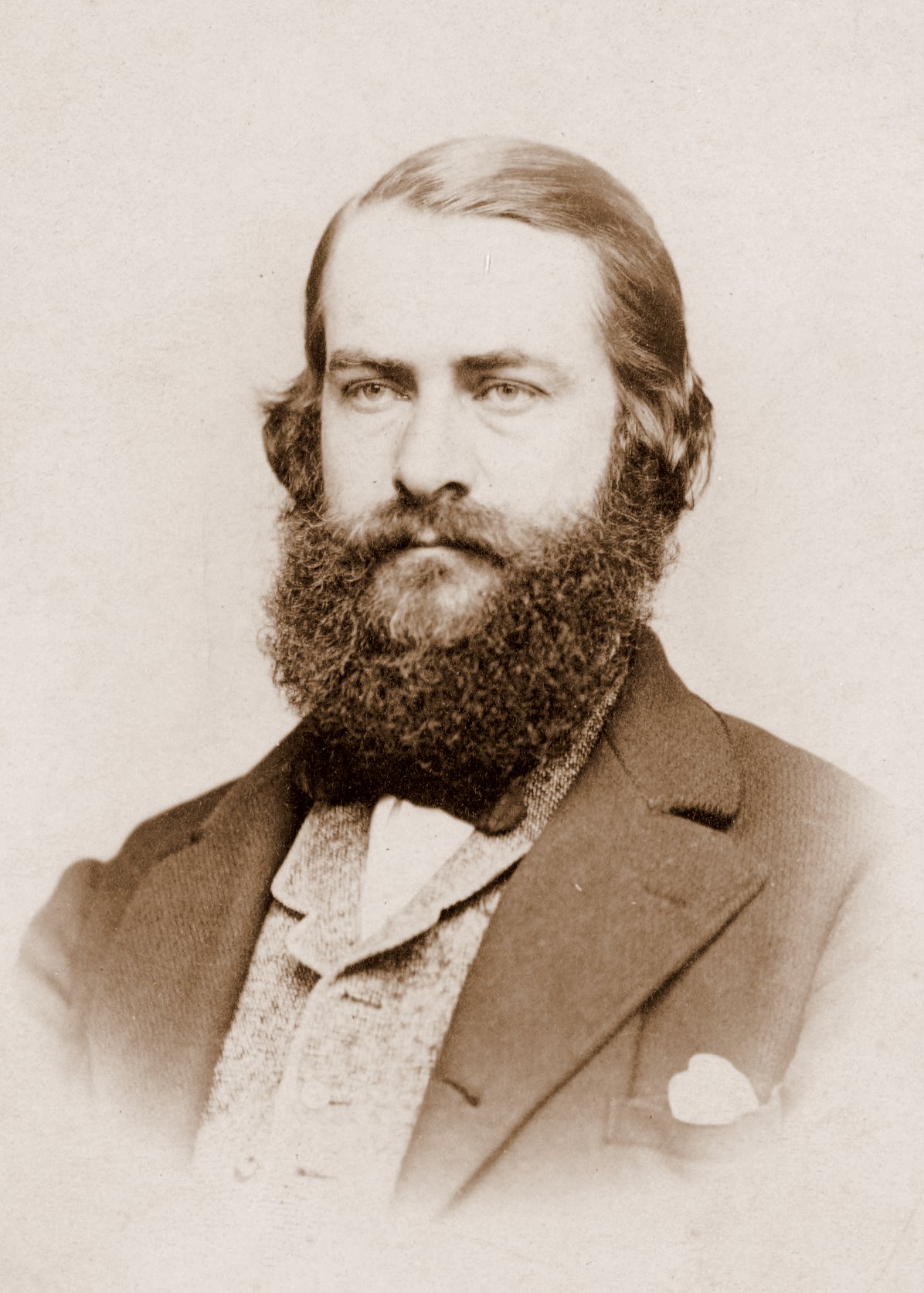
1886 LEIDY, Joseph (1823 – 1891)
Remarks on parasites and scorpions.
Leidy found the hookworm in the cat and suggested that it might also be found in man as a cause of pernicious anemia.
GMN 5359 · https://historyofmedicine.com/id/6959
1893 BLICKHAHN, Walter L. (1862 – )
A case of ankylostomiasis.
First recognition of ankylostomiasis in America. It had previously been reported and described under various names.
GMN 5360 · https://historyofmedicine.com/id/6963
1896 LOOSS, Arthur (1861 – 1923)
Notizen zur Helminthologie Aegyptens. Die Lebensgeschichte des Anchylostomum duodenale (Dub.).
Looss elucidated the life cycle and mode of transmission of the hookworm. See also No. 5365. English translation in Kean (No. 2268.1).
GMN 5361 · https://historyofmedicine.com/id/6968
1901 LOOSS, Arthur (1861 – 1923)
Ueber das Eindringen der Ankylostomalarven in die menschliche Haut.
Looss discovered that hookworms can penetrate the skin; he himself became infected when hookworm culture accidentally spilled on his hands. English translation in Kean (No. 2268.1).
GMN 5362 · https://historyofmedicine.com/id/6971
1902 BENTLEY, Charles Albert (1873 – 1949)
On the causal relationship between “ground itch”, or “pani-ghao”, and the presence of the larvae of the Ankylostoma duodenale in the soil.
While a medical officer in the tea plantations in Assam, India, Bentley demonstrated the mode of entry of Ankylostoma into the body.
GMN 5362.1 · https://historyofmedicine.com/id/6980
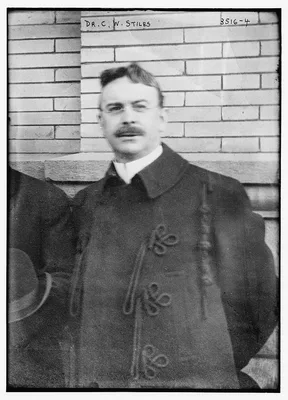
1902 STILES, Charles Wardell (1867 – 1941)
A new species of hookworm (Uncinaria americana) parasitic in man.
Discovery of the American species of hookworm, afterward re-named Necator americanus. It was later believed to have originated in Africa, being brought over by slaves.
GMN 5363 · https://historyofmedicine.com/id/6986
1902 STILES, Charles Wardell (1867 – 1941)
The significance of recent American cases of hookworm disease (Uncinariasis or Anchylostomiasis) in man.
In this paper Stiles fully characterized and extensively illustrated the American hookworm parasite that he first described in No. 5363. This species and the Schistosoma are the pathogenic organisms that can penetrate…
GMN 12114 · https://historyofmedicine.com/id/14323
1905 –1911 LOOSS, Arthur (1861 – 1923)
The anatomy and life history of Agchylostoma duodenale Dub. A. monograph. 2 pts.
Vols. 3 and 4 of Records of the School of Medicine, Cairo. In 1898 Looss discovered that hookworm larvae can penetrate the skin. His monograph epitomized all knowledge of the condition to 1911.
GMN 5365 · https://historyofmedicine.com/id/6987
1910 PERRONCITO, Edoardo (1847 – 1936)
La malattia dei minatory dal S. Gottardo al Sempione.
Includes reprints of Perroncito’s earlier papers. He insisted on the parasitic origin of the disease as it occurred among the St. Gotthard tunnellers in 1880, and he introduced Felix mas as a vermifuge against hookworm.
GMN 5366 · https://historyofmedicine.com/id/6990
1910 BASS, Charles Cassedy (1885 – 1975); DOCK, George (1860 – 1951)
Hookworm disease; Etiology, pathology, diagnosis, prognosis, prophylaxis, and treatment
When the authors published this book hookworm disease was endemic in the American south, partly because so many people walked in the soil without wearing shoes, so the hookworms entered their body through the soles of…
GMN 11616 · https://historyofmedicine.com/id/13816
1912 SCHÜFFNER, Wilhelm August Paul (1867 – 1949); VERVOORT, Herman
Das Oleum chenopodii anthelmintici gegen Ankylostomiasis im Vergleich zu anderen Wurmmitteln.
Schüffner and Vervoort introduced oil of chenopodium for the treatment of ankylostomiasis as early as 1900.
GMN 5367 · https://historyofmedicine.com/id/6995
1921 HALL, Maurice Crowther (1881 – 1938)
The use of carbon tetrachloride for the removal of hookworms.
Introduction of the carbon tetrachloride treatment of ankylostomiasis.
GMN 5368 · https://historyofmedicine.com/id/6996
1922 INTERNATIONAL HEALTH BOARD
Bibliography of hookworm disease.
Contains 5,680 references to all aspects of hookworm disease, prefaced by a short history. Digital facsimile from the Internet Archive at this link.
GMN 5369 · https://historyofmedicine.com/id/6998
1965 WORLD HEALTH ORGANIZATION
Bibliography of hookworm disease (ancylostomiasis) 1920-62.
GMN 5369.1 · https://historyofmedicine.com/id/7000

![SIEBOLD, Carl Theodor Ernst von [Karl] (1804 – 1885)](/media/portraits/231)